A practical RFQ framework that helps international buyers make molded pulp quotations comparable by defining product risks, tooling, quality tests and export packing.
A practical pre-shipment moisture control workflow covering final drying, conditioning, sampling, release checks, warehouse storage and export packing for molded pulp packaging.
Secondary pressing can improve the surface, dimensions and product fit of molded pulp packaging. This guide explains what buyers should check before mass production.
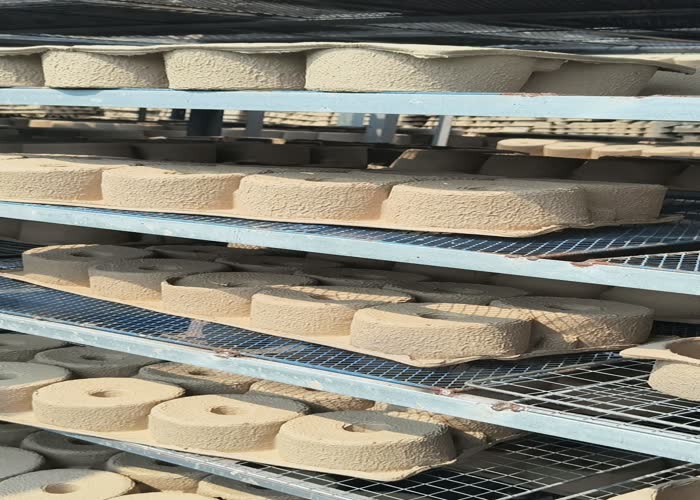
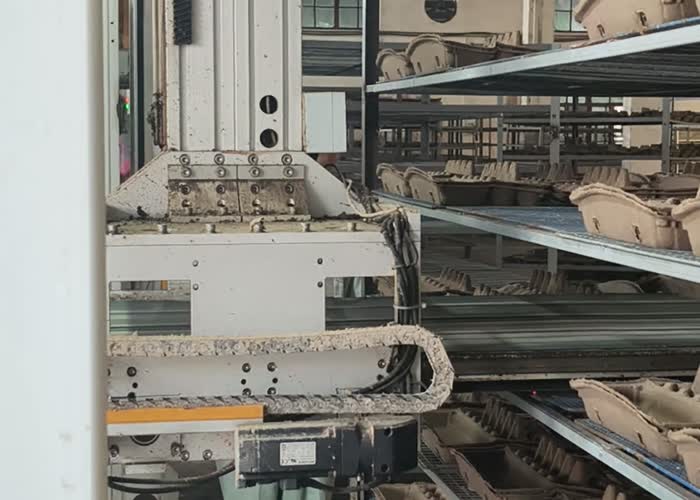
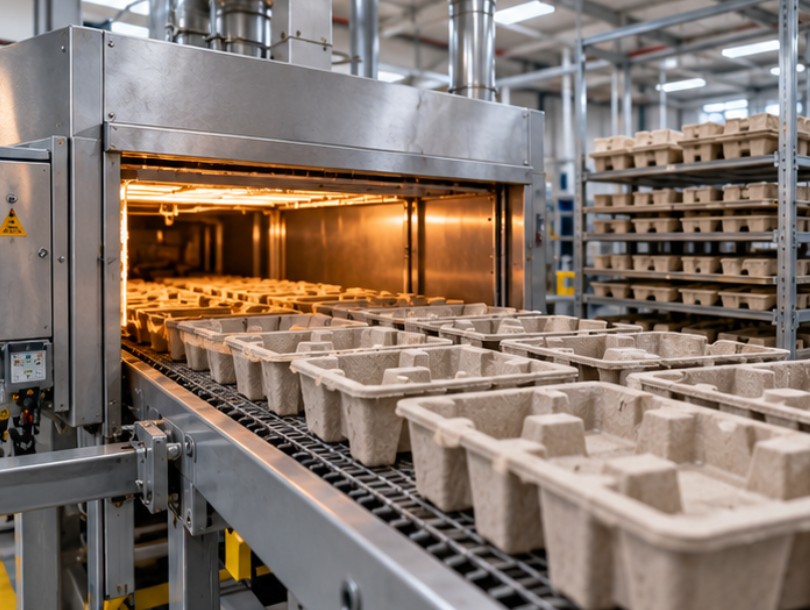
Drying does more than remove water from molded pulp packaging. This guide shows buyers how temperature, airflow, rack spacing, geometry and conditioning affect strength, fit and batch consistency.
Molded pulp packaging quality depends on more than one approved sample. This guide explains how design, tooling, forming, drying, pressing, inspection and packing work together to improve consistency.
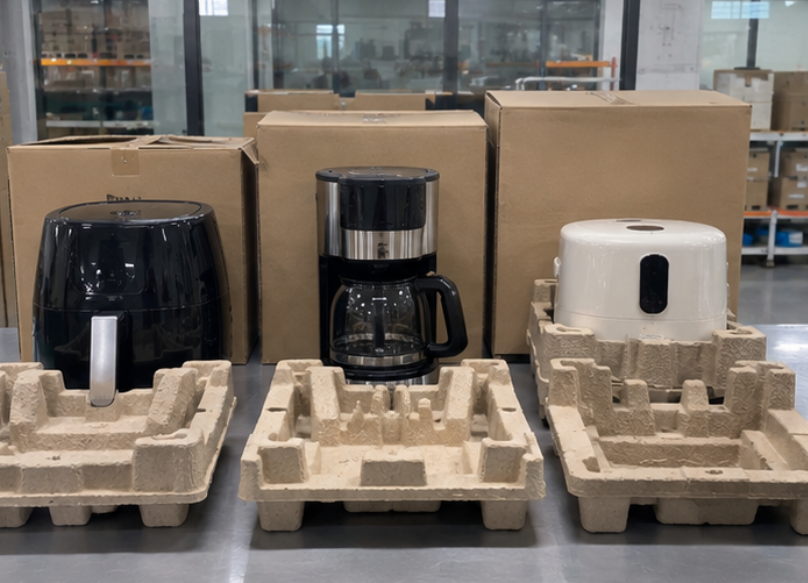
Molded pulp packaging for home appliances should be designed around product weight, support points, fragile areas, accessories and transportation conditions. Simply using thicker material or larger cushions does not automatically create bet
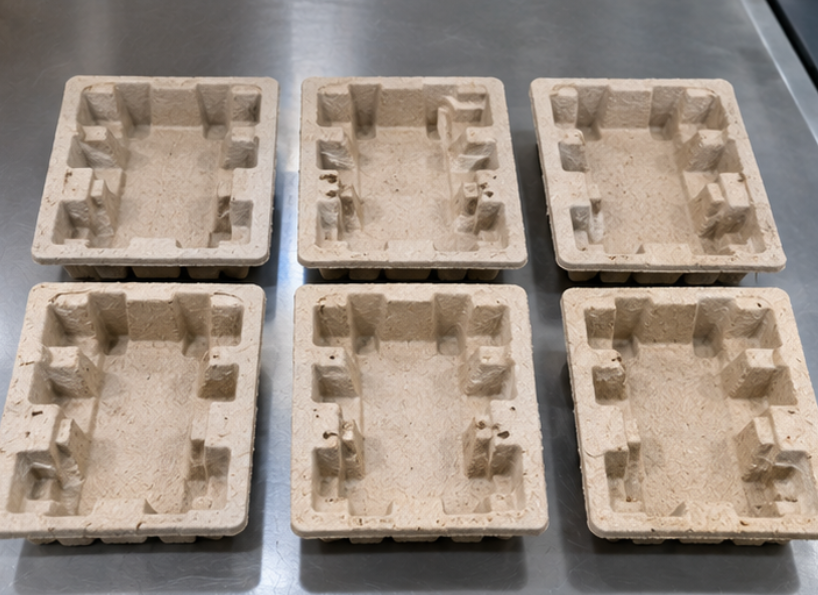
Some variation between molded pulp samples and mass production can occur because fiber packaging is influenced by material preparation, forming, drying and other manufacturing conditions. The goal is not to assume that every part will be vi
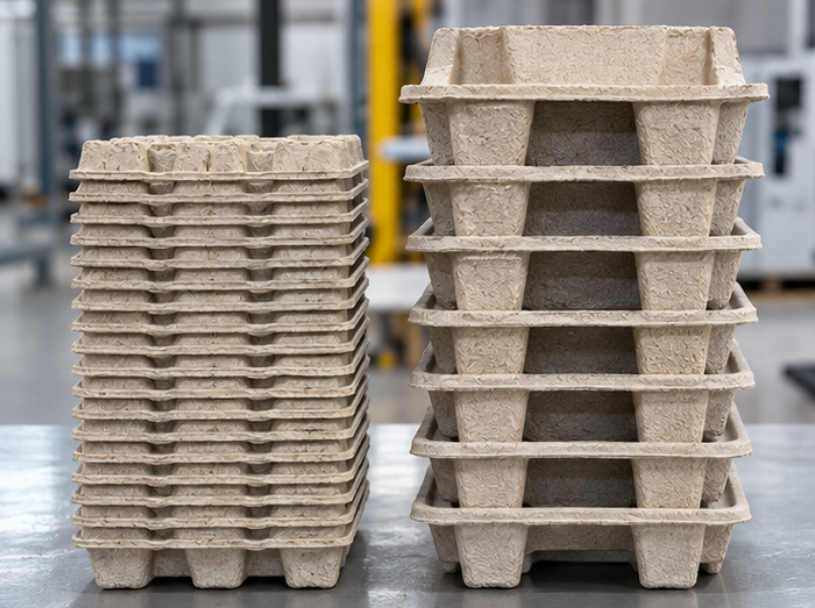
Molded pulp tray nesting design affects much more than appearance. It can influence carton size, warehouse utilization, pallet quantity, container loading and the final shipping cost of the packaging. For buyers, the best approach is to eva
Wall thickness plays an important role in molded pulp packaging strength, production efficiency and cost, but thicker packaging is not automatically better packaging. The most effective structure places material where protection is actually