












Molded pulp packaging can look ready after forming and drying, yet retained moisture may still remain in thick ribs, deep cavities, corners, or tightly nested stacks. If these parts are packed too soon, moisture can redistribute inside the carton and affect fit, stiffness, odor, or surface condition during storage and ocean transport. For export orders, moisture control should therefore be treated as a release decision rather than a quick visual check.
At Hanyang Paper Plastic, the most useful approach is a connected workflow that links drying, conditioning, sampling, warehouse handling, and final packing. Each step helps confirm that the product is stable before it enters a sealed export environment.
Confirm drying before products leave the process
Drying time alone does not prove that every part has reached a stable condition. Product geometry, wall thickness, tooling temperature, airflow, and rack loading can all change the drying result. Operators should pay special attention to thick support points, recessed areas, and nested contact surfaces because these locations usually release moisture more slowly.
A practical check combines process records with product inspection. Parts should keep their intended shape, feel consistent across the batch, and show no cool or soft areas that suggest retained moisture. Read more about how process settings influence strength and dimensional stability in our guide on molded pulp drying conditions.
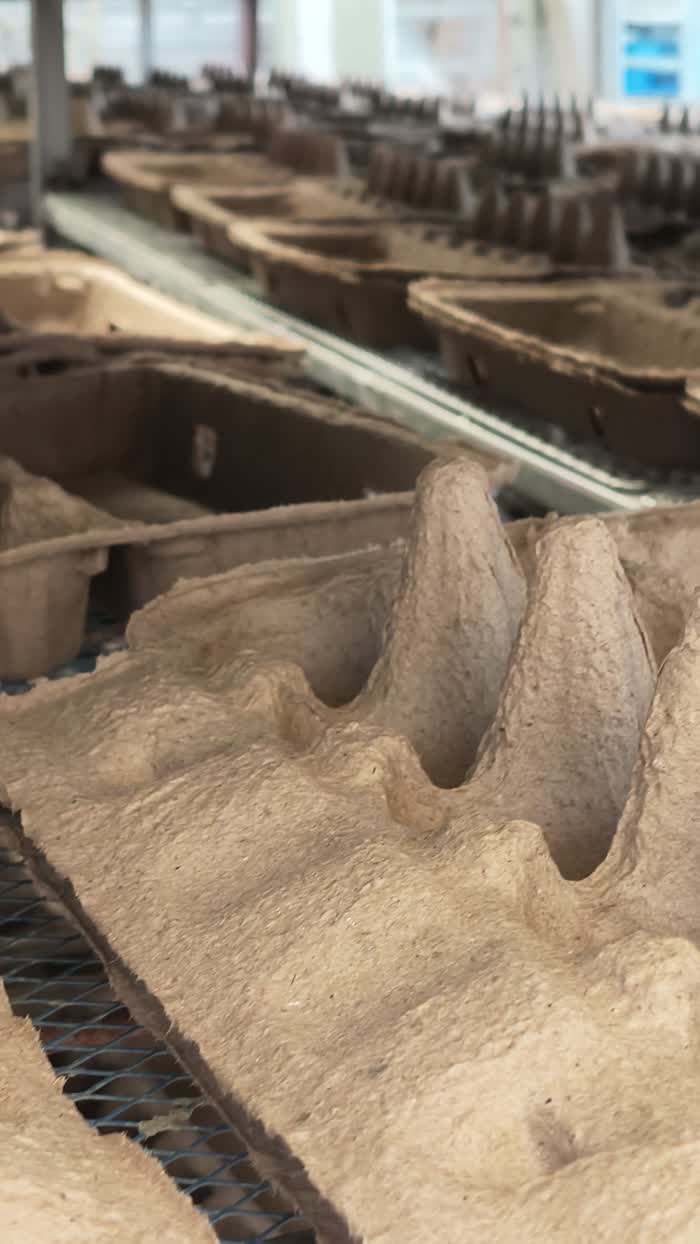
Condition products before measuring
Parts taken directly from a dryer can be warmer and drier at the surface than inside. They need a controlled conditioning period before final evaluation. Spacing products on ventilated racks allows temperature and internal moisture to equalize without trapping humid air between nested pieces.
Conditioning is especially important for deep trays and protective inserts with reinforced corners. Measuring too early may give an optimistic reading that does not represent the condition of the product when it is later stacked and packed.
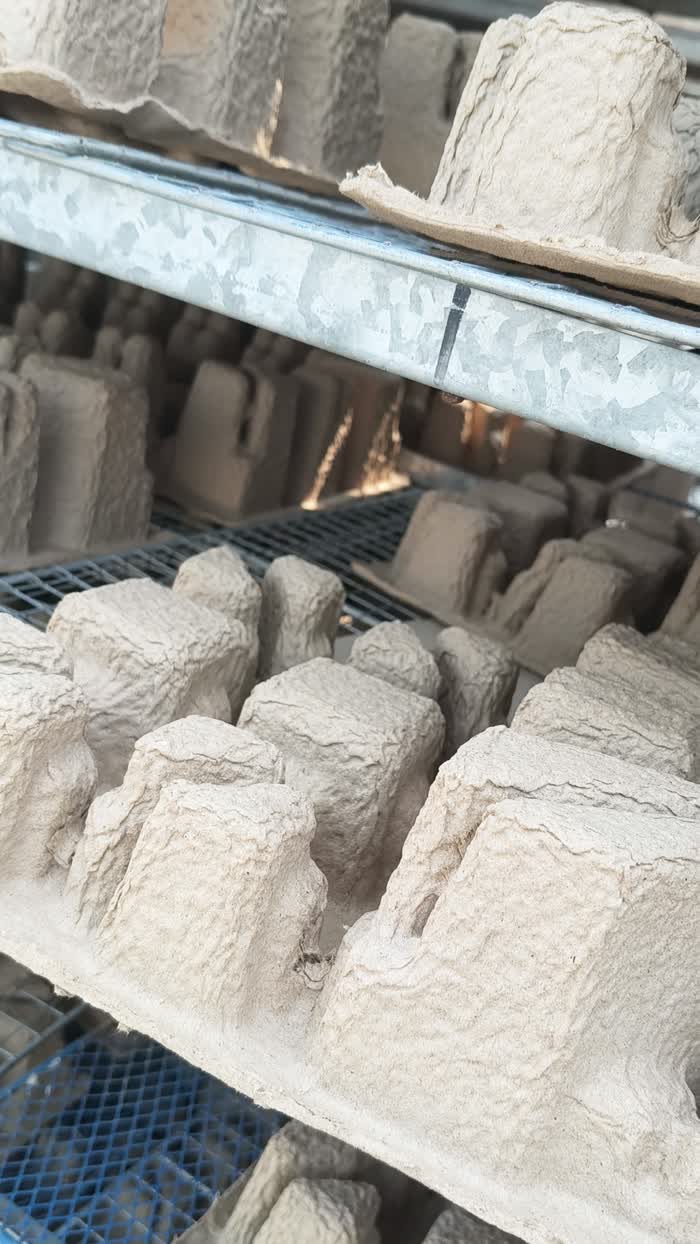
Use a repeatable moisture sampling plan
The acceptance range should be agreed according to the fiber recipe, product design, packing method, destination climate, and customer requirements. Instead of relying on one convenient reading, factories should sample several positions and cartons across the production lot.
A calibrated moisture meter can support routine checks, while controlled weighing or oven-based verification can be used when a more detailed comparison is required. The sampling record should identify the order, batch, time, location, result, and inspector. Tracking this information also makes it easier to spot differences between early, middle, and late production.
Hold and recheck uncertain batches
If readings are inconsistent or above the agreed range, the batch should not move directly to packing. It should be clearly identified, separated, and returned for additional conditioning or drying. After treatment, the same sampling method should be repeated before release.
This quarantine step prevents acceptable and questionable products from being mixed. It also protects production consistency by turning a potential shipping problem into a controlled factory decision. For a broader view of lot control, see our article on sample and mass production consistency.
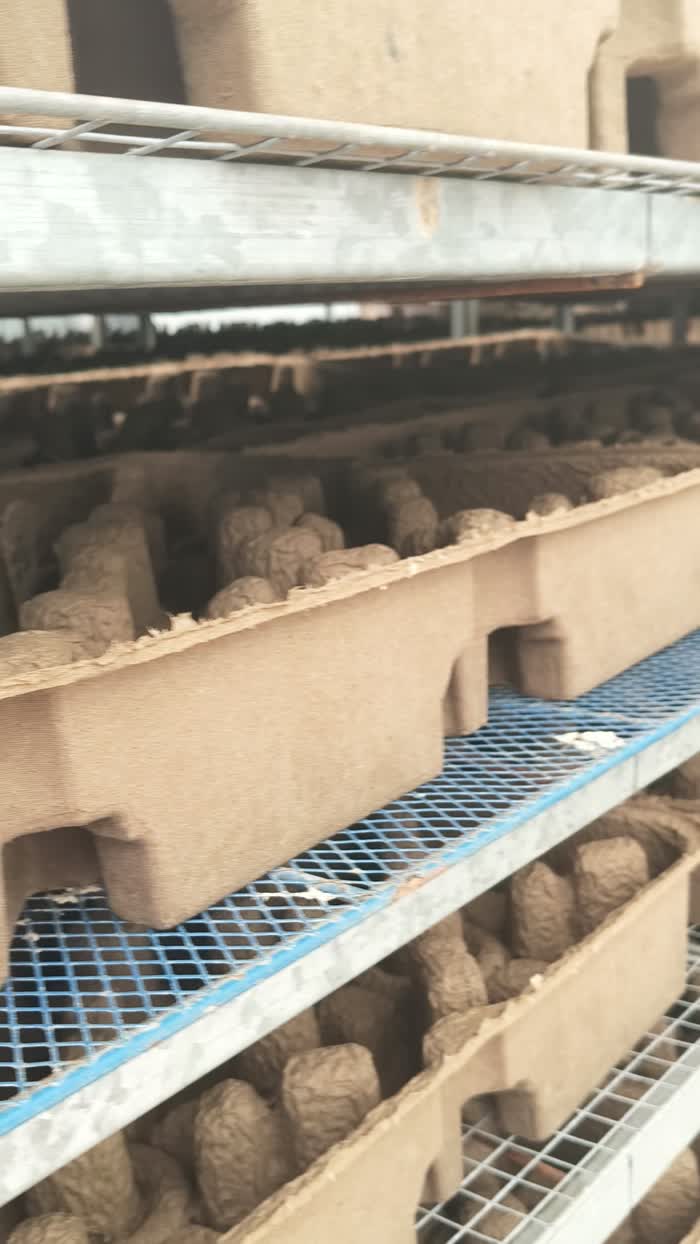
Pack only after moisture release
Once a batch passes inspection, packing should begin without unnecessary exposure to humid production areas. Cartons, bags, pallets, and wrapping materials must also be dry and clean. Over-compressing nested parts can reduce air space and make any remaining moisture harder to escape, so pack count and nesting pressure should follow the approved specification.
Barrier liners or protective wrapping may be appropriate for some routes, but they should only enclose products that have already passed moisture checks. Sealing damp parts more tightly does not solve the problem. It increases the chance that moisture will remain inside the package.
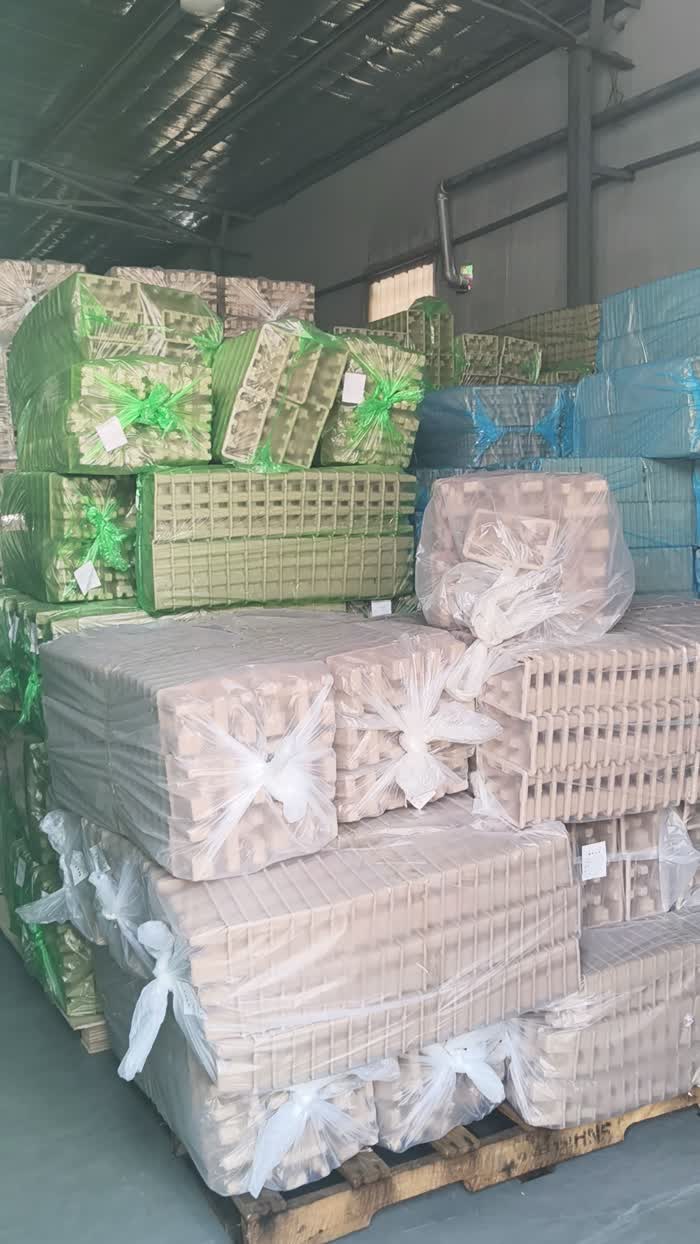
Protect released goods before dispatch
Finished cartons should be stored off the floor, away from walls, roof leaks, open doors, and sudden temperature changes. The warehouse should use clear batch identification and first-in first-out control where applicable. Before container loading, teams should confirm carton condition, pallet protection, container dryness, and the absence of visible water or strong odors.
Shipping conditions still matter after a batch leaves the factory. Our guide to packaging performance in humid shipping conditions explains the broader material, packing, and logistics factors.
Build moisture control into the shipment checklist
Buyers can make moisture expectations clearer by defining the test method, sampling quantity, acceptance range, recheck rule, packing configuration, and required records before production starts. The most reliable shipment is not created by one final reading. It comes from a traceable sequence of drying, conditioning, inspection, release, protection, and dispatch checks.
If you are developing a molded pulp tray or protective insert for export, contact Hanyang Paper Plastic with your product dimensions, application, destination, and packing requirements. Our team can review the design and propose a practical quality control plan for sampling and shipment preparation.