












In molded pulp packaging procurement, sampling is one of the most important stages before mass production. A sample is not just a preview of what the tray will look like. It is the first real opportunity to verify product fit, structural logic, handling practicality, and risk points before tooling and large-volume production create cost and delivery pressure. Buyers who skip proper sample review often end up solving avoidable problems later in production, shipping, or final customer use. In practical procurement, sampling reduces uncertainty, improves technical communication, and helps turn a packaging idea into a manufacturable and reliable solution.
Sampling Verifies Whether The Structure Really Fits The Product
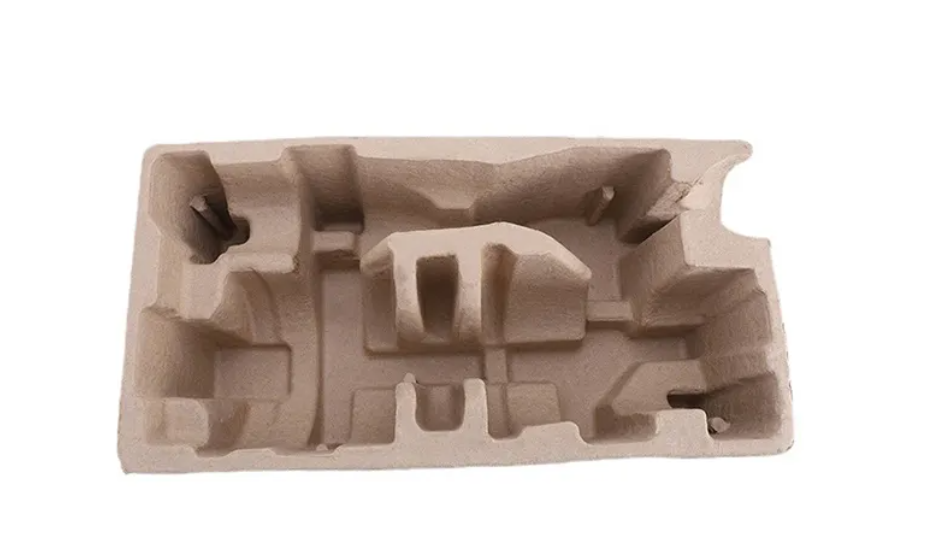
The first value of sampling is fit validation. On paper, a tray may look correct based on drawings and outer dimensions, but real products often reveal issues that are hard to see in a design file. The product may sit too tightly, too loosely, or at the wrong support angle. Sensitive corners may touch the tray where they should not. Accessories may interfere with loading. Manual packing may be slower than expected. These problems are much easier to solve during sampling than after full tooling is locked for volume production.
Sampling also helps buyers evaluate whether the packaging structure matches the product’s real protection needs. A tray can look visually acceptable while still failing to control movement or load transfer correctly. When buyers test a physical sample, they can see how the product enters the tray, where the contact points are, and how the tray works with the outer carton. This turns abstract design into practical packaging judgment.
Sampling Helps Expose Hidden Risks In Material, Process, And Use Conditions
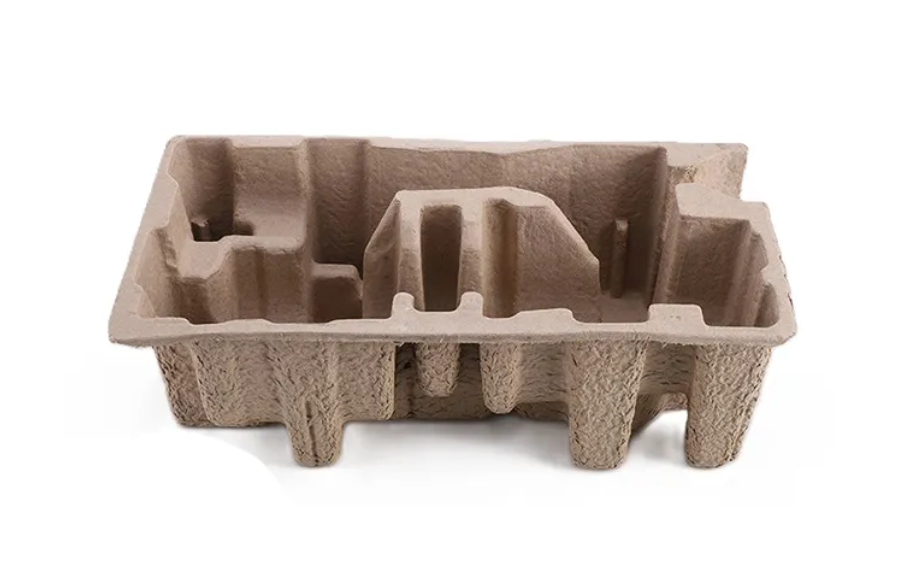
The second reason sampling matters is that it reveals hidden risks before mass production starts. Even if the structure is acceptable, buyers still need to see how the material performs, how accurate the dimensions are, whether the edges are clean, whether the tray nests properly, and whether the sample quality is likely to be repeatable in production. Sampling allows buyers to evaluate not just design, but also the supplier’s practical execution capability.
Use conditions should also be considered during this stage. If the packaging will face long shipment cycles, high humidity, stacking pressure, or semi-automatic packing, buyers should begin testing those assumptions with the sample. A design that works only in ideal conditions is not enough. Sampling helps move the discussion from “Can you make it?” to “Will it still work in my real packaging environment?” That shift is what makes sampling such a valuable procurement step.
Sampling Saves Cost And Improves Approval Efficiency Before Large Orders
The third reason sampling matters is cost control. Some buyers see sampling as extra time, but in most cases it saves far more time and money than it consumes. Modifying a sample is much cheaper than modifying finished tooling, correcting mass-production defects, or dealing with damaged goods after shipment. Sampling also speeds up internal decision-making because it gives engineering, procurement, quality, and customer-facing teams something concrete to review.
A good sampling process aligns expectations between buyer and supplier. It clarifies what “approved” really means, what must be controlled in production, and what changes are still needed before tooling release. In large packaging projects, this reduces misunderstanding and creates a better basis for production control later. Sampling does not delay a serious project. It strengthens it by preventing avoidable mistakes from reaching the expensive stage.
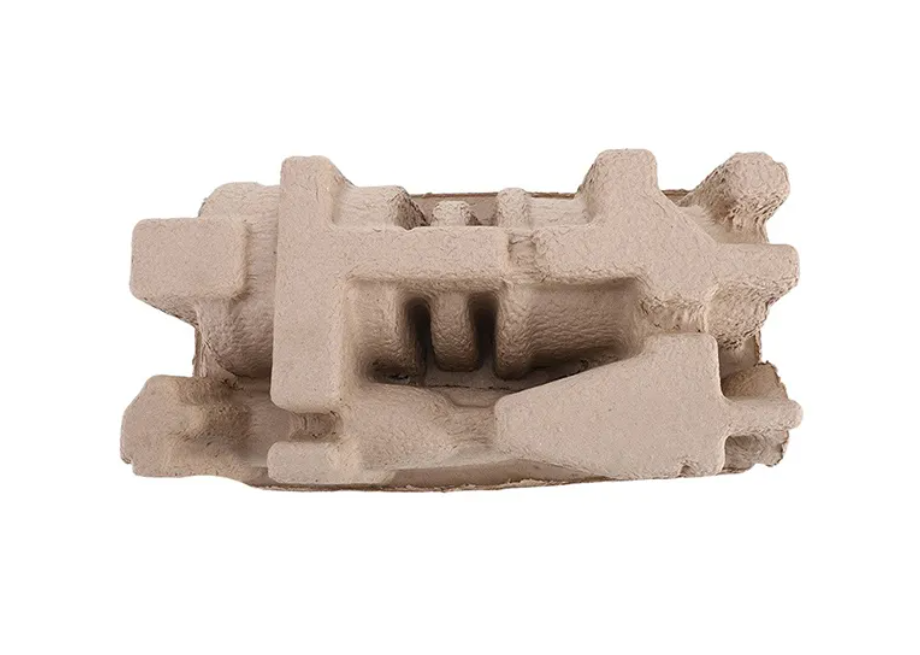
Sampling matters because it validates fit, exposes hidden risks, and lowers the cost of making changes before mass production begins. Buyers who treat sampling as a serious decision gate usually achieve smoother tooling approval, better production consistency, and fewer shipping problems later. In molded pulp packaging, sampling is not an optional step. It is one of the strongest tools for reducing procurement risk.