












Approving a molded pulp packaging sample is one of the most important decisions buyers make before tooling release and mass production. A sample that looks acceptable at first glance may still contain fit risks, structural weaknesses, process inconsistencies, or practical problems that only become expensive after production begins. That is why sample approval should never be based on appearance alone. Buyers should confirm whether the sample meets real product needs in fit, protection, handling, and manufacturability. A well-reviewed sample becomes the foundation for stable mass production. A poorly reviewed sample often becomes the starting point of later complaints.
Confirm Product Fit, Support Points, And Protection Logic
The first thing buyers should confirm is whether the sample actually fits the product correctly. This means more than checking whether the product can be placed inside the tray. Buyers should examine contact points, support zones, edge clearance, bottom stability, top clearance, and product movement. The tray should hold the product securely without creating pressure on fragile surfaces or weak corners. If the fit is too tight, it may mark the product or reduce packing speed. If the fit is too loose, it may increase shipping risk.
Protection logic is equally important. Buyers should confirm whether the sample controls movement, manages shock, and works properly with the outer carton. If possible, the sample should be checked together with the real carton size and expected packing method. A sample should prove that the product is protected as a system, not just contained in a cavity.
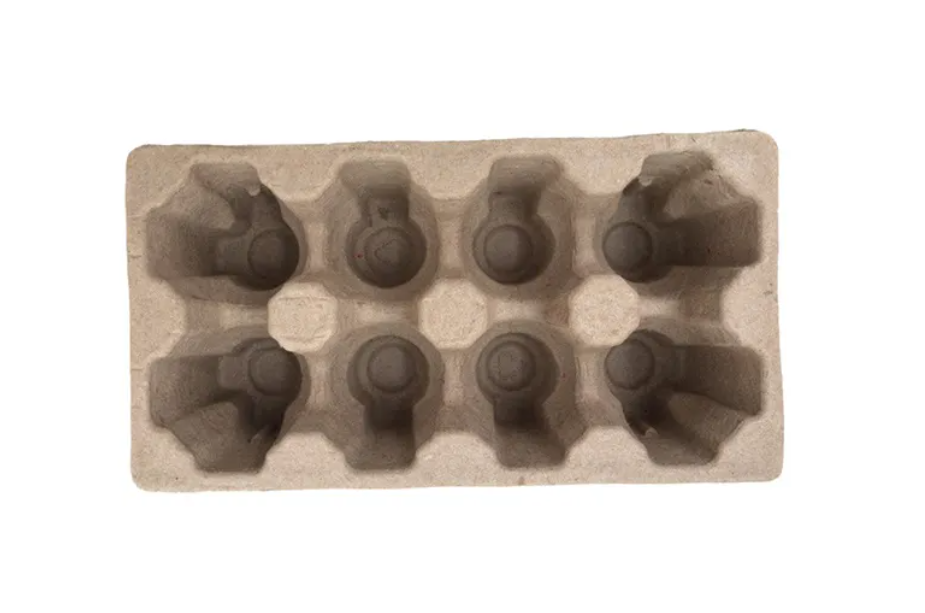
Confirm Material Quality, Dimensional Consistency, And Practical Use Performance
The second area buyers should confirm is whether the sample reflects acceptable material and process quality. The tray should have stable shape, reasonably clean edges, proper rigidity, and dimensions that appear repeatable rather than accidental. Buyers should inspect wall thickness, warping, rough trimming, nesting performance, and overall presentation. If the sample already shows quality instability, there is little reason to expect better performance in mass production.
Practical use performance is also important. Buyers should test whether the tray is easy to load and unload, whether it supports efficient packing, and whether it creates any friction or handling problems. If the packaging will be used in semi-automatic lines, stacked cartons, or multi-piece kits, those conditions should also be reviewed during sample approval. A good sample is not only technically correct. It should also work smoothly in real operations.
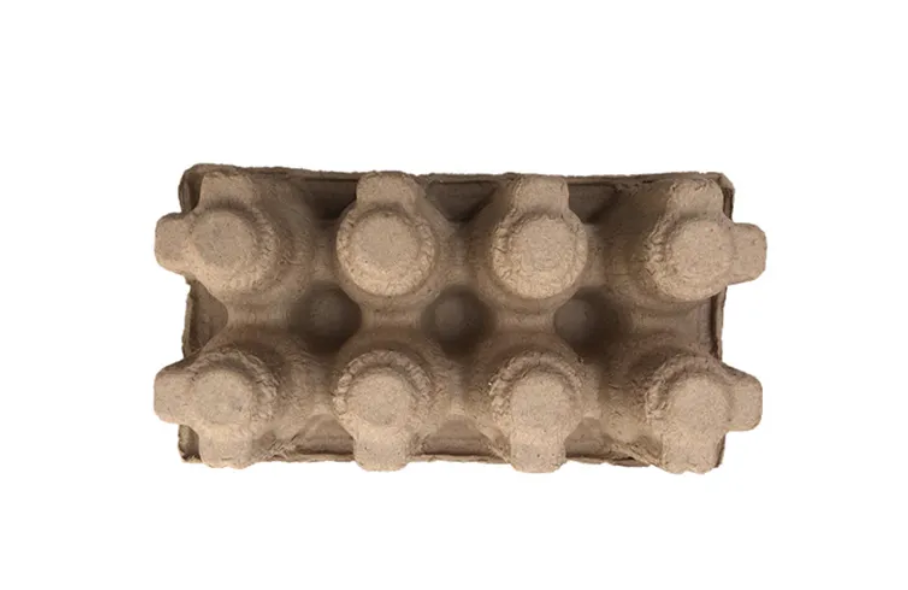
Confirm Production Readiness And Approval Standards Before Releasing Tooling
The final part of sample approval is confirming whether the sample can serve as a real production standard. Buyers should ask whether the supplier has clearly identified the key dimensions, appearance criteria, material type, and process points that must be maintained in mass production. If the approved sample cannot be translated into a controlled standard, it has limited value as an approval reference.
This is also the stage to confirm what changes are still needed before tooling release. If a buyer sees improvement points, they should be documented clearly rather than discussed loosely. A reliable sample approval process should end with alignment: what is accepted, what must be corrected, what tolerances matter, and what version is the official reference. This prevents later confusion when production starts. In procurement, good sample approval is not just about saying yes or no. It is about setting the correct baseline for everything that follows.
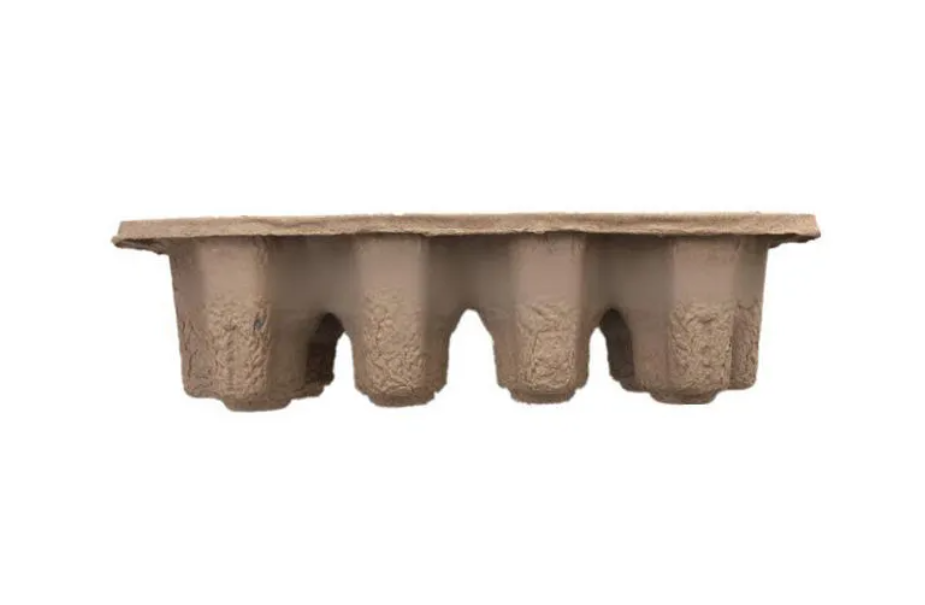
Before approving a molded pulp packaging sample, buyers should confirm fit and protection, material and process quality, and whether the sample can become a true production reference. A serious sample approval process lowers the risk of poor tooling decisions and unstable mass production. In packaging procurement, careful approval at the sample stage is one of the cheapest and most effective forms of risk control.