












Stacking performance is a critical but often underestimated part of molded pulp packaging design. For buyers, a tray may fit the product well and look structurally sound, but if it cannot perform under stacking pressure during warehousing and transport, the packaging may still fail. Poor stacking performance can lead to crushed trays, distorted cavities, unstable cartons, damaged products, and inefficient pallet loading. In export and industrial projects, stacking is not just a storage issue. It directly affects logistics safety, freight efficiency, and final packaging reliability. That is why buyers should evaluate stacking performance as an essential design factor rather than an afterthought.
Start With Load Paths And Structural Support In The Tray Design
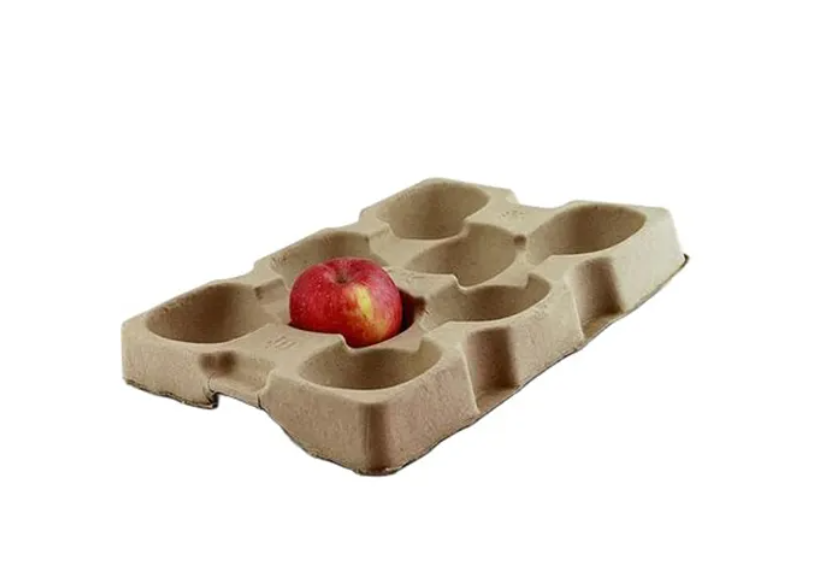
The first step in evaluating stacking performance is to understand how load travels through the structure. A molded pulp tray should not collapse randomly under pressure. It should guide load through designed support areas such as ribs, walls, corners, and bottom reinforcement zones. Buyers should look at whether the tray has clear load-bearing points and whether those points match the carton and pallet arrangement used in shipping.
For products with higher weight or deeper tray geometry, stacking performance becomes even more important. A tray that supports the product well in single-piece use may still deform when many units are packed together. Buyers should ask where the vertical load is expected to go and whether sensitive product areas are isolated from that load. Good stacking design is not only about thicker material. It is about directing pressure away from weak zones and through stable structural paths.
Evaluate Material Density, Carton Interaction, And Packing Configuration
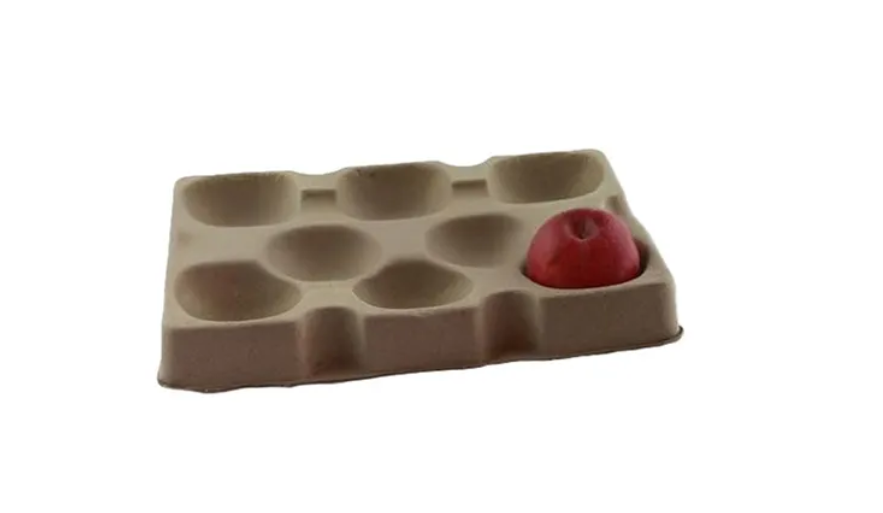
Stacking performance depends not only on tray shape but also on material density and packing method. A well-designed tray can still perform poorly if the material is too soft or if the packing configuration creates excessive compression. Buyers should therefore evaluate the relationship between molded pulp tray, outer carton, packing quantity, and pallet height. These factors work together to determine whether the system remains stable in real logistics conditions.
Carton fit is especially important. If the outer carton is too loose, trays may shift and absorb load unevenly. If it is too tight, it may transfer pressure directly into the tray in the wrong areas. Buyers should also ask how many units are packed per carton, how the trays are nested or separated, and how high pallets will be stacked in real storage or shipping. Many stacking failures are not caused by one weak tray but by a packaging system that concentrates load in the wrong way.
Use Realistic Testing To Confirm Whether The Design Can Survive Warehouse And Shipping Conditions
The final and most practical step is testing. Buyers should ask for stacking evaluation under realistic warehouse and shipping assumptions rather than relying on visual confidence. If the product will be stored for weeks on pallets, the packaging should be assessed for long-term compression. If it will move through export logistics, pallet handling and carton load stability should also be reviewed. A tray that looks rigid when empty may behave differently once fully packed, stacked, and stored.
Testing does not always have to be complicated, but it should be relevant. Buyers should compare how the structure performs after being stacked, whether the cavities deform, whether the product support shifts, and whether the carton still remains stable. This gives a much clearer view of actual stacking performance than appearance alone. For serious packaging projects, stacking evaluation is not optional. It is part of confirming whether the packaging can survive real supply-chain conditions.
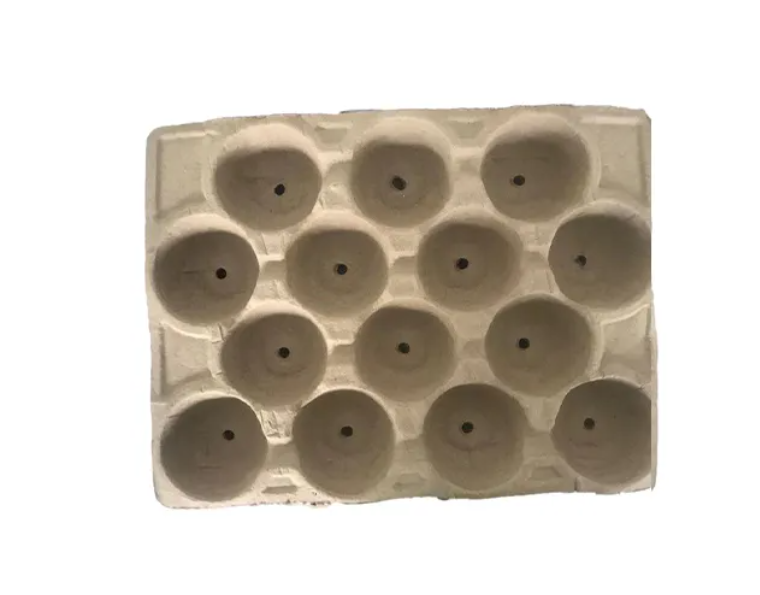
To evaluate stacking performance in molded pulp packaging design, buyers should focus on structural load paths, the interaction between tray and carton, and real-world testing under storage and transport conditions. Good stacking performance is what keeps packaging stable when volume, weight, and time all begin to matter. Without it, even a visually good design may fail in real use.