












Ordering custom molded pulp trays is not simply a purchasing decision about packaging. It is a decision about product protection, packaging efficiency, delivery reliability, and long-term supply stability. Many buyers focus too early on price and sample appearance, but experienced procurement teams usually look deeper. They want to know whether the supplier can truly understand the product, control production quality, and support repeat orders without creating new risks. For electronics, tools, home appliances, glass parts, consumer devices, and many other industrial products, a molded pulp tray must fit correctly, protect effectively, and perform consistently in real shipping conditions. Before placing an order, buyers should carefully check several key points that directly affect packaging performance and total procurement cost.
Product Fit And Structural Design: Check Whether The Tray Is Built For Real Protection
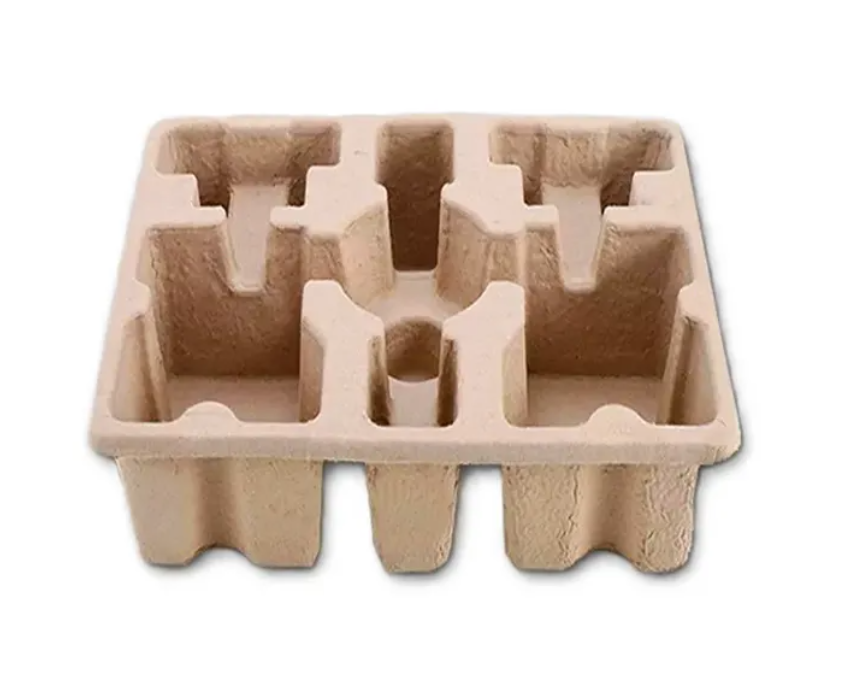
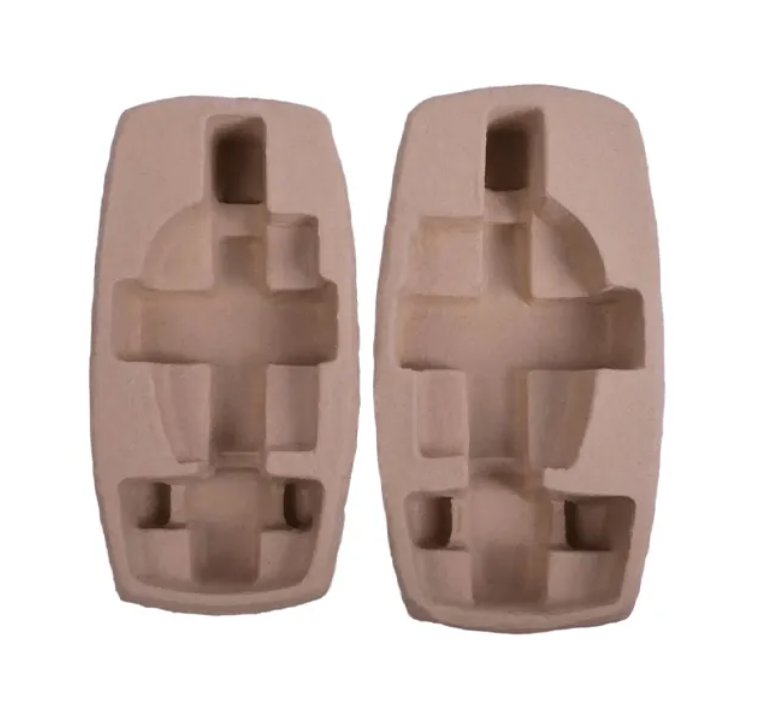
The first thing buyers should check is whether the custom molded pulp tray is designed around the real product, not just around a general shape. A good tray is not only supposed to “hold” the item. It must support weak points, reduce movement, absorb impact, and work with the outer carton. That means buyers should ask how the tray design is developed. Is it based on 3D drawings, real samples, transportation requirements, or only rough dimensions? Can the supplier identify fragile corners, pressure points, and areas that need reinforcement?
This is especially important for industrial products with irregular shapes or sensitive surfaces. A tray that looks acceptable in a sample photo may still fail in actual handling, stacking, or container shipment. Buyers should therefore check whether the design includes enough support at the bottom, sidewalls, edges, and top contact areas. If the product is heavy, buyers should ask how load distribution is handled. If the product surface is easy to scratch, buyers should ask about surface smoothness and cavity design. If the tray will be used in automated packing or assembly lines, dimensional fit becomes even more important.
Another important question is whether the supplier is willing to optimize the structure, not simply copy an existing sample. A strong supplier should be able to recommend design improvements that reduce material waste, improve stacking efficiency, or enhance product safety. In other words, buyers should not only ask, “Can you make this tray?” They should also ask, “Can you make this tray work better for my packaging process and shipping risk?”
Quality Consistency And Material Control: Check What Happens After The Sample Stage
Many purchasing problems begin after the sample is approved. The sample may fit well, look clean, and create confidence, but mass production is where real supplier capability is tested. Buyers should therefore check how the supplier controls dimensional consistency, moisture, density, strength, and appearance from batch to batch. Molded pulp is a process-sensitive product. Small changes in raw material, mold condition, drying temperature, or production rhythm can affect the final result.
Dimensional stability is one of the most important checks. Buyers should ask what tolerances the supplier can hold on key fitting areas. A tray that becomes too loose or too tight can slow down packing, damage the product, or cause complaints from downstream customers. Buyers should also ask how the supplier manages shrinkage, warping, and shape variation. This is especially important when trays are used for products that require accurate positioning, such as electronics, switches, remote controls, instruments, and small appliances.
Material control is equally important. Buyers should ask what type of pulp is used, whether recycled or virgin fiber is included, how surface cleanliness is controlled, and how the tray performs under humid conditions. If export shipment is involved, the tray must not lose strength after storage or sea transportation. In addition, buyers should check the inspection system: how first samples are approved, how in-process checks are performed, how defective trays are separated, and whether finished goods can be traced back to production date or mold number. A supplier that can answer these questions clearly is far more reliable than one that only promises “stable quality.”
Lead Time, Packaging Execution, And Supplier Reliability: Check Whether The Order Can Be Delivered Safely And Repeated Smoothly
Before ordering custom molded pulp trays, buyers should also check whether the supplier can deliver on time and support repeat business without disruption. In many cases, packaging is linked directly to production schedules, container loading plans, and final delivery dates. A delay in tray delivery can interrupt packing operations and create much higher costs than a small price difference between suppliers. That is why buyers should review the supplier’s real lead time structure, not just a sales promise.
Important questions include: how long does design confirmation take, how long does tooling take, how fast can the first production batch be arranged, and what is the capacity for repeat orders? Buyers should also ask whether molds are developed in-house or outsourced, because this affects both timing and response speed when modifications are needed. For seasonal or volume-driven orders, buyers should confirm how peak production is managed and whether capacity is reserved for existing customers.
Export packaging execution is another critical point. Buyers should ask how molded pulp trays are packed for shipment, how compression damage is avoided, how moisture is controlled during storage, and whether pallets and cartons are designed for long-distance transport. For international orders, supplier communication is part of delivery reliability. Can the supplier provide clear updates, sample approval records, packing details, and corrective action if an issue appears? In the end, the right supplier is not simply the one that offers a good tray. It is the one that can support an order from development to shipment with low risk and stable follow-up.

Before ordering custom molded pulp trays, buyers should focus on three core checks: product fit and structural design, mass production consistency, and delivery reliability. These areas determine whether the tray will truly protect the product, work efficiently in packing operations, and remain stable over repeated orders. Price matters, but it should never be the first or only decision point. For professional procurement teams, the right supplier is the one that reduces risk, supports efficient packaging, and creates confidence from development through final shipment.