












If you are sourcing molded pulp packaging for industrial products, choosing the right supplier is about much more than unit price. For buyers in electronics, tools, home appliances, automotive parts, and other industrial sectors, molded pulp packaging must do three things at the same time: protect the product, fit the production and shipping process, and remain stable across repeated orders. A supplier may look capable on a website, but real procurement decisions depend on engineering ability, process control, production consistency, and export execution. The right partner should not only manufacture trays or inserts, but also help reduce damage risk, lower total packaging cost, and improve supply reliability over time.
Supplier Capability For Industrial Molded Pulp Packaging: Start With Engineering, Not Price
When evaluating a custom molded pulp packaging supplier, the first question is whether the company truly understands industrial applications. Industrial packaging is different from standard egg trays or cup carriers. It often involves irregular product shapes, heavier weights, sensitive surfaces, stacked transportation, and strict fit requirements for assembly lines or retail cartons. A qualified supplier should be able to review your product drawings, dimensions, fragility points, drop risks, and loading method before recommending a packaging structure.
This is why engineering support matters more than a low initial quotation. A serious supplier should be able to discuss wall thickness, buffer zones, edge reinforcement, stacking performance, nesting efficiency, and material density based on your product type. For example, packaging for precision electronics may require better shape consistency and cleaner surfaces, while packaging for industrial spare parts may focus more on shock absorption and compression strength. If a supplier cannot explain why a structure works, they are probably only producing based on appearance rather than packaging performance.
Buyers should also ask how the sampling process is handled. Can the supplier develop packaging from a 3D file, a physical sample, or only from a simple sketch? Can they make rapid prototype samples before final tooling? Can they adjust the design after transportation testing? These questions quickly reveal whether the supplier is only a manufacturer or a real packaging development partner. For industrial applications, the best suppliers do not simply accept drawings. They challenge weak points, propose improvements, and reduce future risk before mass production begins.
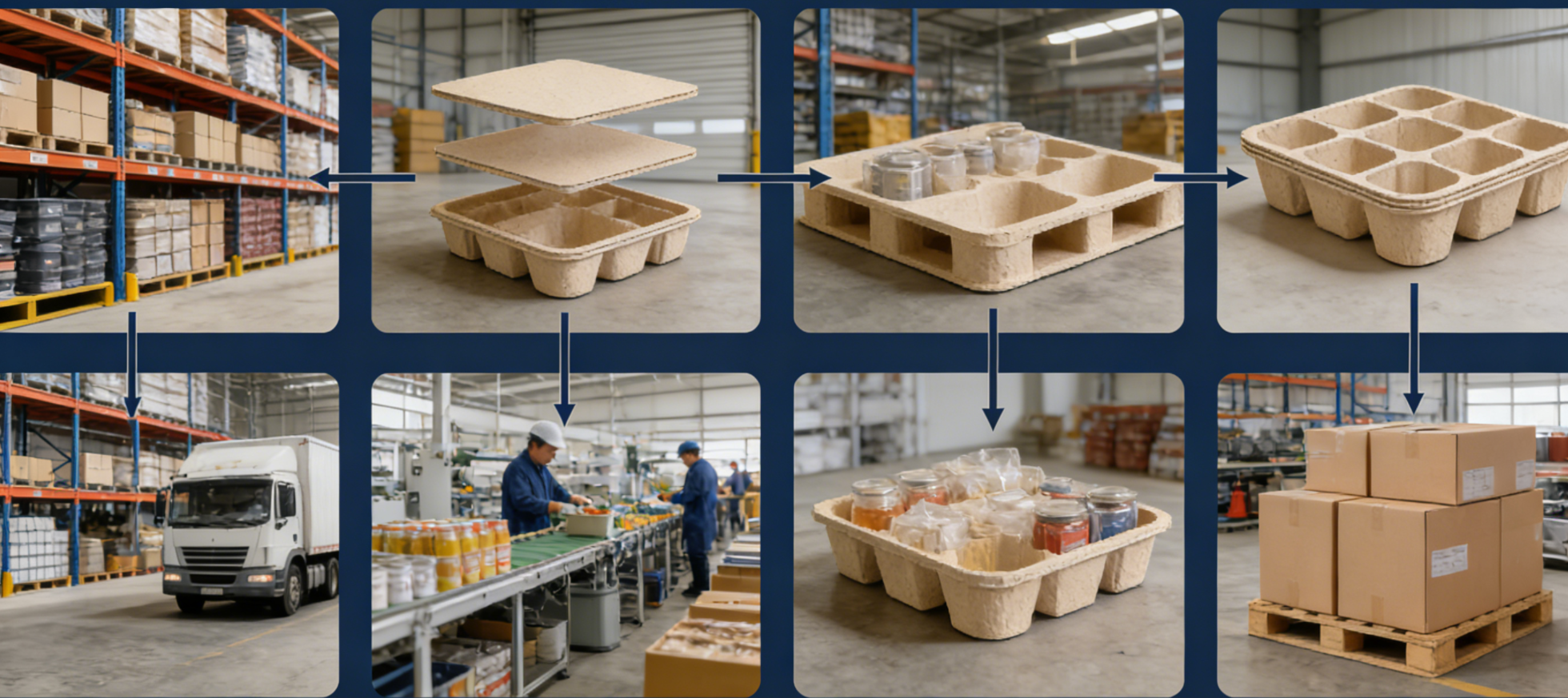
Molded Pulp Quality Control: Check Dimensional Accuracy, Material Stability, And Production Consistency
For industrial buyers, product protection depends on consistent manufacturing quality. A custom molded pulp tray that works in a sample stage but changes shape during mass production can create serious problems in packing lines, pallet loading, or final product safety. That is why buyers should always evaluate the supplier’s quality control system, not just the sample result.
Start with dimensional stability. Ask what tolerances the supplier can hold for length, width, height, and key fitting areas. Molded pulp is not injection plastic, so some variation is normal, but professional suppliers should still control shrinkage and deformation within an acceptable range. This becomes especially important for industrial products that require a tight fit, such as control panels, glass components, small appliances, network devices, or metal parts with fixed positioning needs.
Material consistency is another major issue. Buyers should ask what pulp material is used, how moisture is controlled, whether density remains stable from batch to batch, and whether the packaging will soften or deform under humid shipping conditions. Some industrial buyers may also need smoother surfaces, better color consistency, lower dust, or reinforced structure depending on the product category. A strong supplier should be able to explain how raw material, forming method, drying conditions, and finishing process affect the final packaging performance.
Finally, ask how defects are managed during mass production. What is the inspection process for first article approval, in-process checking, and finished goods inspection? How are warped trays, insufficient forming, rough edges, or inconsistent thickness identified and separated? Can the supplier provide traceability by mold, shift, or production date? These are the details that protect industrial buyers from quality claims, packing delays, and hidden costs after the order is shipped.
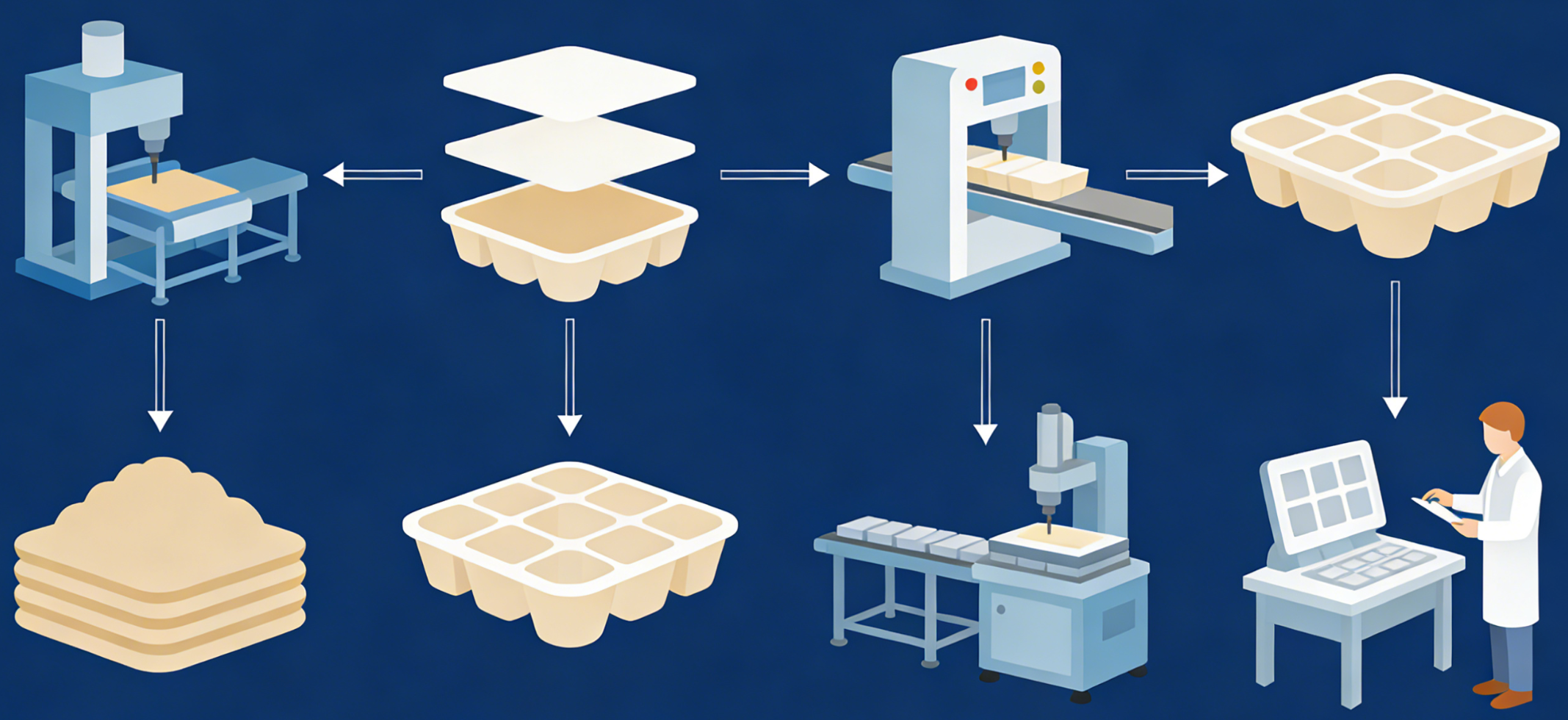
Industrial Packaging Supplier Evaluation: Confirm Lead Time, Export Readiness, And Long-Term Cooperation Value
Even a technically capable supplier is not the right partner if delivery performance is weak. Industrial buyers do not only purchase packaging; they purchase supply stability. A delay in molded pulp packaging can stop product assembly, postpone container loading, or affect customer delivery schedules. That is why lead time evaluation should include more than a promise from the sales team.
Buyers should ask about the full production process: sample development time, tooling time, pilot run timing, mass production capacity, drying capacity, trimming and packing speed, and peak season scheduling. It is also important to understand whether the supplier handles mold development internally or through outside partners, because that affects both lead time control and technical communication. A reliable supplier should provide realistic schedules, not optimistic ones that collapse under pressure.
Export execution is equally important. Industrial buyers should confirm how the molded pulp products are packed for shipment, how moisture risk is controlled during storage and sea transportation, and whether the supplier understands palletization, carton compression, container loading efficiency, and shipping mark requirements. For global buyers, a supplier must be more than a factory. It must be able to support documentation, stable communication, order follow-up, and corrective action when problems happen.
In the end, the best custom molded pulp packaging supplier is usually the one that creates the lowest total risk, not simply the lowest price. A supplier with better engineering support, stronger consistency, and more reliable export execution may save much more money through reduced breakage, faster packing, fewer complaints, and smoother reorders. Industrial procurement is not only about buying packaging. It is about securing protection, continuity, and confidence across the whole supply chain.
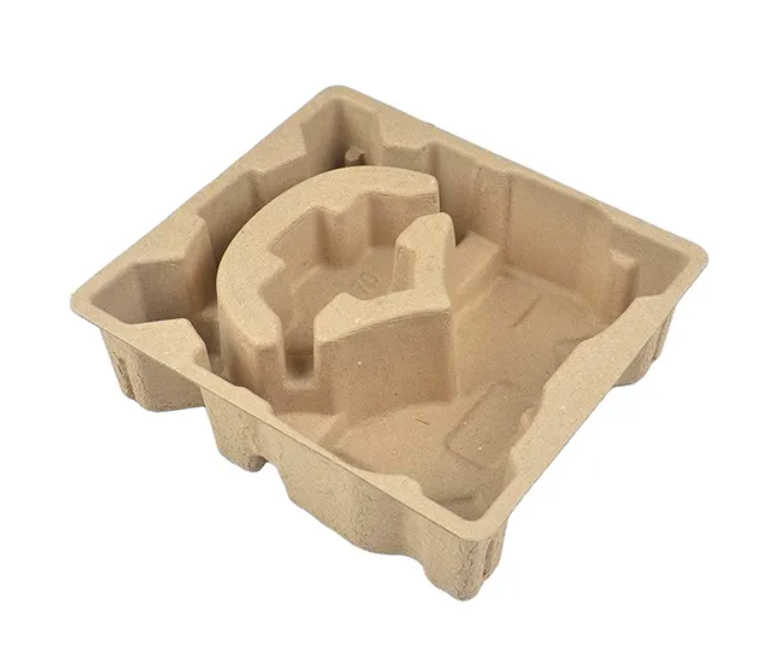
For industrial applications, evaluating a custom molded pulp packaging supplier should always go beyond catalog photos and price comparison. Buyers should focus on three core areas: engineering capability, manufacturing consistency, and delivery reliability. A supplier that performs well in these areas is much more likely to become a long-term packaging partner for industrial export projects. In practical procurement, the goal is not just to buy molded pulp trays. The goal is to secure a packaging solution that protects products, supports operations, and reduces supply chain risk.