












For international buyers, molded pulp packaging is only valuable if it can protect products consistently throughout the entire shipping process. A tray may look clean and sustainable, but if it cannot prevent movement, absorb shock, resist stacking pressure, and remain stable in humid logistics conditions, it becomes a packaging risk rather than a packaging solution. This is especially true for electronics, tools, glass parts, small appliances, consumer devices, and industrial components that may travel long distances through warehouses, pallets, trucks, and ocean containers. Reliable molded pulp packaging is not defined by appearance alone. It is defined by whether the packaging structure, material performance, and production consistency can work together to reduce shipping damage and support repeat orders with confidence.
Structural Design For Shipping Protection: A Reliable Tray Must Control Movement, Impact, And Load Distribution
The first factor that makes molded pulp packaging reliable during shipping is structural design. Good molded pulp packaging does not simply hold a product in place. It creates a controlled protective space that reduces movement, distributes load, and prevents direct impact on fragile areas. During shipping, products are exposed to vibration, repeated handling, carton compression, accidental drops, and shifting inside outer packaging. If the molded pulp structure is not designed around these real risks, even a strong-looking tray can fail.
Buyers should therefore look closely at how the tray supports the product. Does it lock the item in key contact points? Does it protect corners, edges, screens, or protruding parts? Is there enough bottom support to handle vertical pressure? Are there raised ribs, sidewalls, cavities, or buffering zones that help absorb shock? Reliable molded pulp packaging is usually designed to minimize internal movement while still allowing efficient packing and unpacking. This balance is important because a tray that is too loose can allow damage, while a tray that is too tight can slow down operations or mark sensitive surfaces.
Outer carton compatibility also matters. A molded pulp tray does not work alone. It works as part of a full packaging system. A good supplier should understand how the tray interacts with carton size, top clearance, stacking requirements, and pallet loading. For export buyers, the most reliable packaging is often the one designed not only for the product, but for the whole shipping chain. When the internal tray and outer carton work together properly, the risk of damage drops significantly.
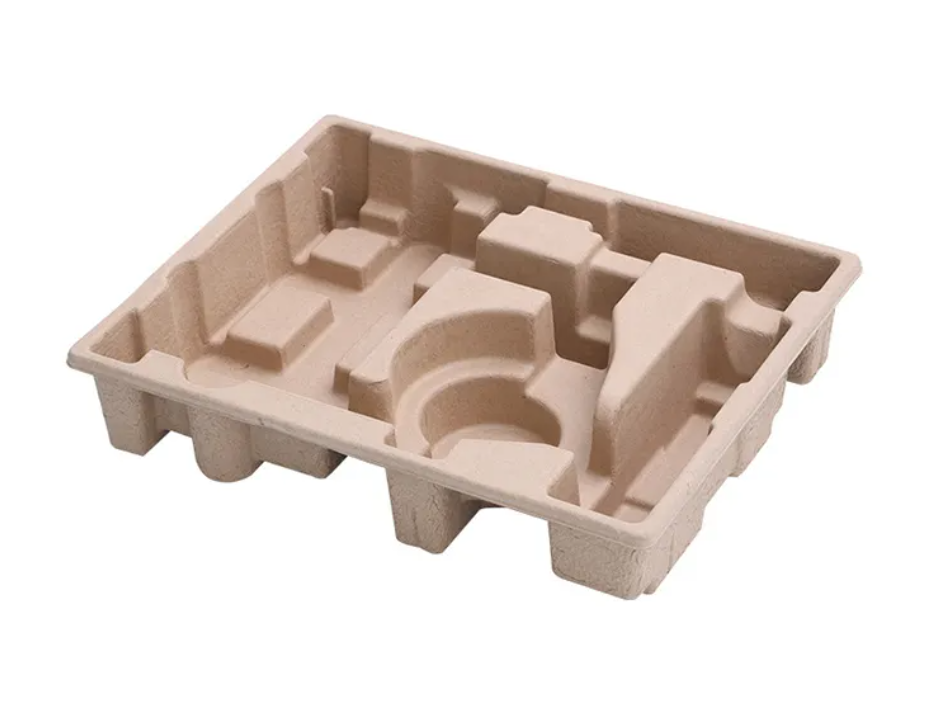
Material Performance And Production Consistency: Reliable Protection Requires Stable Strength In Real Logistics Conditions
Even the best structure will not protect products if the material performance is unstable. Reliable molded pulp packaging depends on consistent strength, density, and shape retention throughout the shipping journey. Products may stay in warehouses, move through humid ports, remain inside containers for weeks, or face changing temperatures and compression loads. If molded pulp softens too easily, warps under moisture, or varies too much from batch to batch, product protection becomes unpredictable.
This is why buyers should ask more than whether the tray is “eco-friendly” or “strong enough.” They should ask what pulp material is used, how density is controlled, how moisture is managed, and whether the tray keeps its protective performance after storage and transit. For some products, compression strength is the key issue. For others, shape stability or surface smoothness matters more. For example, a heavy industrial component may require stronger bottom support and reinforced walls, while a consumer electronic device may require cleaner surface contact and more precise cavity control.
Production consistency is equally important for shipping reliability. A sample may perform well, but buyers need to know whether the same level of protection can be repeated in mass production. Reliable suppliers control molding parameters, drying conditions, trimming accuracy, and finished product checks so that trays from different batches behave the same way in packing and transport. In international procurement, repeatability is one of the strongest signs of reliability. A packaging supplier becomes truly valuable when every shipment performs close to the approved sample, not just the first order.
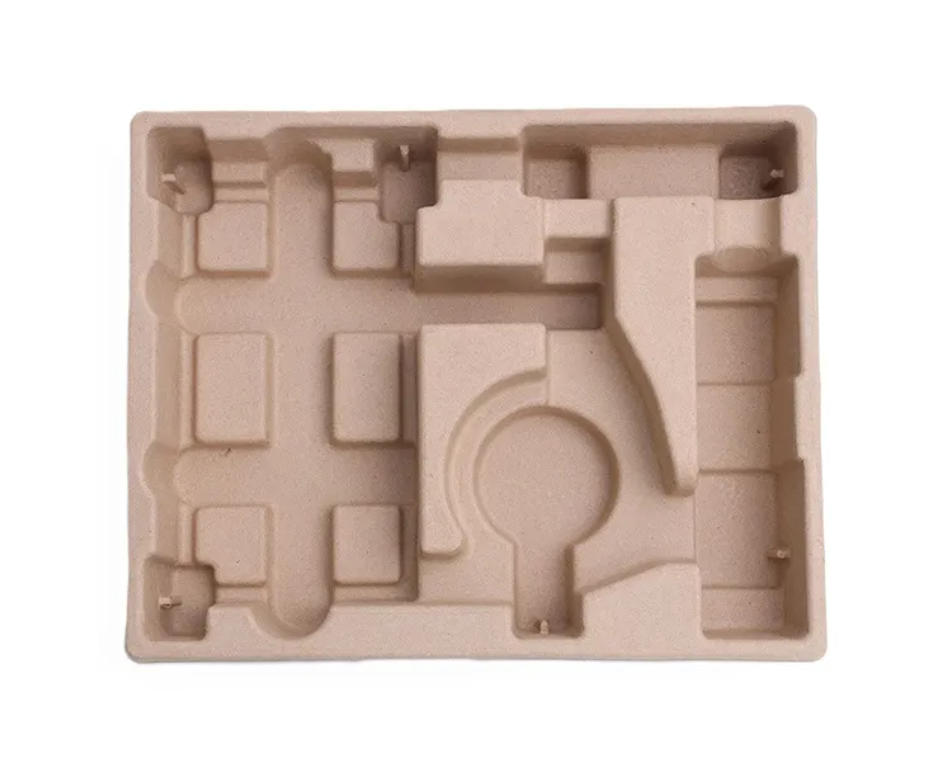
Shipping Validation And Real-World Testing: Reliable Protection Must Be Proven, Not Assumed
A molded pulp package becomes truly reliable when its protective function is verified under real shipping conditions. Buyers should not rely only on visual judgment or supplier promises. Packaging that looks acceptable on a table may still fail during drop, vibration, compression, or long-distance ocean transport. For this reason, shipping validation is one of the most important parts of molded pulp packaging evaluation.
Buyers should ask whether the supplier supports fit testing, carton stacking tests, transportation simulation, and drop evaluation based on the actual product and shipping route. Even simple validation steps can reveal important problems early, such as weak corners, insufficient top clearance, bottom collapse, or product movement inside the tray. Reliable suppliers usually understand that packaging performance must be tested as a system, including the product, the tray, the carton, and the expected loading method.
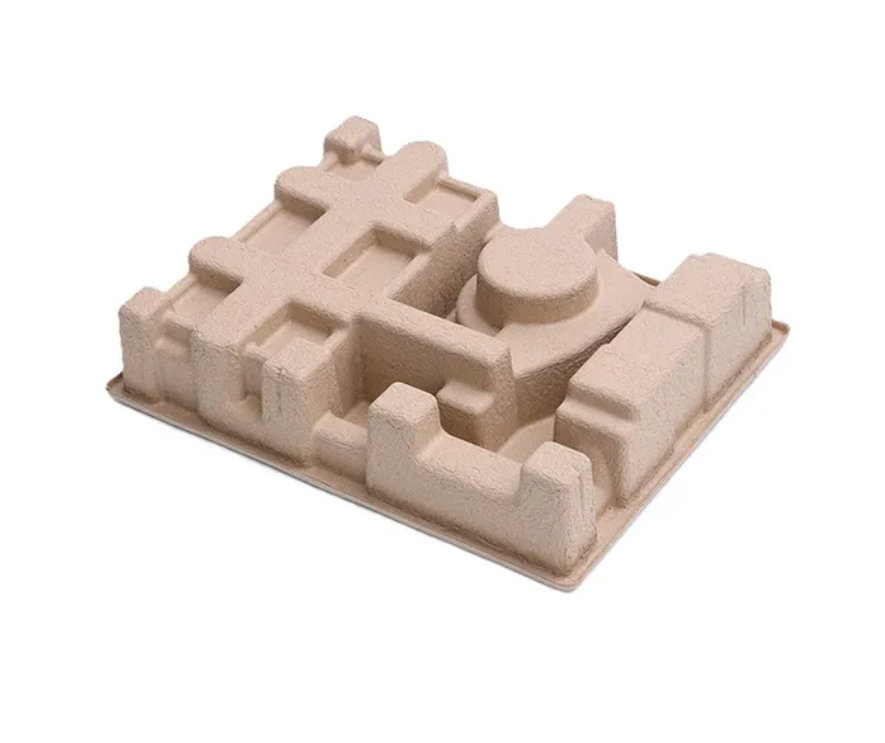
It is also important to check whether the supplier understands export execution details. Reliable protection does not end when the tray leaves the production line. It continues through packing, warehousing, palletizing, container loading, and delivery. If cartons are packed poorly, stacked incorrectly, or exposed to uncontrolled moisture, even a well-designed molded pulp insert may not perform as intended. That is why experienced buyers prefer suppliers who can support not only tray production, but also packaging recommendations, loading advice, and corrective action if shipping issues occur. In real procurement, the most reliable molded pulp packaging is the packaging that has been tested, refined, and proven in real logistics conditions.
What makes molded pulp packaging reliable for product protection during shipping is not one single feature. It is the combination of protective structural design, stable material and production control, and validation under real logistics conditions. For buyers, the right supplier is not simply the one who can make a tray that looks correct. It is the one who can deliver a packaging system that consistently reduces movement, absorbs risk, and performs predictably from factory packing to final delivery.