












A molded pulp packaging solution that works for local delivery does not automatically work for export projects. Export packaging faces longer transit times, more handling points, changing humidity conditions, pallet movement, container loading pressure, and stricter buyer expectations around documentation and consistency. That is why buyers should not evaluate molded pulp packaging for export only by tray shape or unit price. A solution is truly suitable for export when it combines product protection, logistics compatibility, production stability, and supplier execution discipline. In export procurement, packaging is not just an accessory. It is part of the shipment performance.
The Packaging Must Protect The Product Through A Longer And Harder Logistics Chain
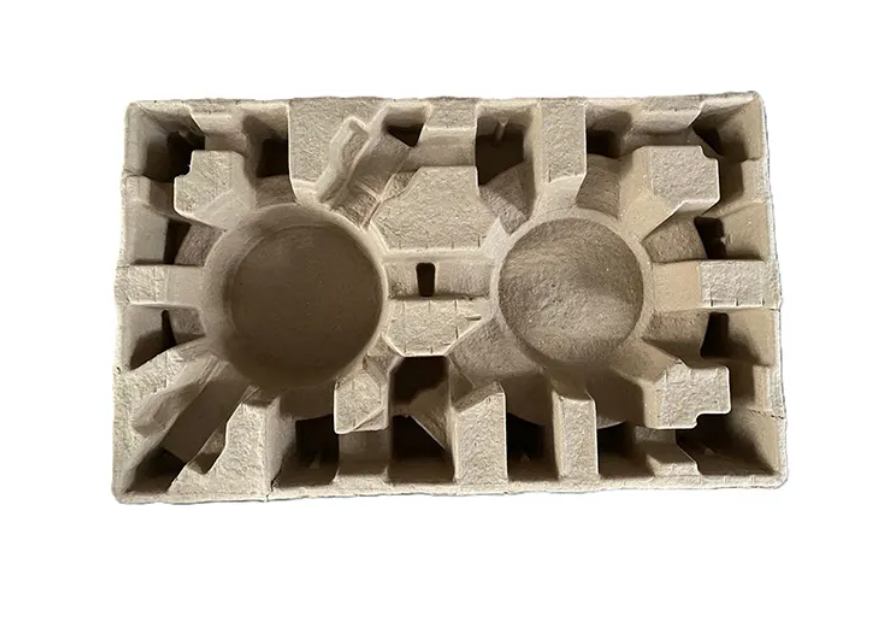
The first requirement is protection under export conditions. Export shipments usually face more vibration, more pallet handling, more warehouse transfers, and longer exposure to compression and climate change than domestic deliveries. Molded pulp packaging for export should therefore be designed to manage movement, shock, and stacking more carefully. The tray should work with the outer carton, not independently from it. Corner protection, support zones, top clearance, and bottom load distribution all become more important when the product will travel farther and longer.
Buyers should ask whether the packaging design reflects the real export route rather than a general local-use assumption. A tray that works in short domestic transport may still be too weak for sea shipment or cross-border palletized logistics. For export projects, protection should be evaluated as a complete system including product, tray, carton, pallet, and loading method.
The Solution Must Be Compatible With Export Packing, Documentation, And Handling Requirements
A molded pulp solution suitable for export should also work well with export operations. That means the trays should nest or pack efficiently, support carton stability, and fit realistic pallet and container-loading patterns. If the packaging wastes space, deforms easily in stacked cartons, or creates unstable pallet units, it may increase freight cost and shipment risk. Buyers should therefore evaluate not only the tray design but also how it performs in export packing and logistics handling.
Documentation and communication are also part of export suitability. A reliable export packaging supplier should be able to provide clear specifications, approved drawings, packing information, lot identification, and any required compliance declarations. Export buyers usually need more traceability and clearer shipment coordination than local buyers. A packaging solution becomes much more suitable for export when the supplier can support the shipment administratively as well as physically.
The Supplier Must Be Able To Repeat The Same Performance Across Orders
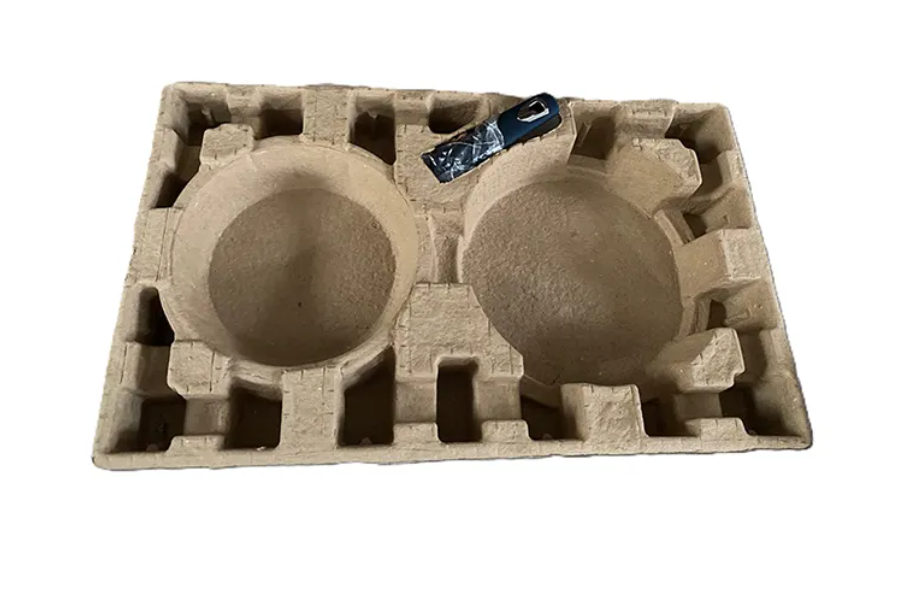
The final requirement is repeatability. A packaging solution may perform well once, but export projects often require multiple shipments, stable replenishment, and consistent performance across time. Buyers should confirm whether the supplier can maintain the same dimensions, shape, nesting behavior, and packing execution in repeat orders. This is especially important for projects tied to production schedules or long-term customer programs.
Export suitability is therefore closely linked to supplier control. A supplier that cannot control quality drift, tooling wear, moisture variation, or shipment execution is unlikely to support export projects reliably. The right export packaging solution is not only well designed. It is repeatable, traceable, and stable at scale. For buyers, that is what transforms a molded pulp tray from a simple packaging part into a dependable export packaging system.

A molded pulp packaging solution is suitable for export projects when it protects products across a longer logistics chain, fits export handling and documentation needs, and can be repeated consistently across shipments. Export packaging should be judged as a full execution system, not only as a molded pulp product. Buyers who use that standard are more likely to reduce shipping risk and build stable long-term supply.