












For many buyers, molded pulp packaging is attractive because it offers a strong sustainability story compared with plastic-based solutions. But in real procurement, sustainability alone is never enough. If the packaging cannot protect the product reliably, the result may be higher breakage, more replacement shipments, and greater total waste across the supply chain. That is why buyers should not treat sustainability and protection as two separate goals. The best molded pulp packaging solutions are the ones that balance environmental value with real logistics performance. A packaging format is only truly sustainable if it also works effectively in storage, transport, and end use.
Choose Sustainable Claims That Are Real And Relevant To The Application
The first step is to be realistic about sustainability claims. Buyers should ask what kind of sustainability value the packaging actually provides. Is it made from recycled fiber, certified sources, or a mix of both? Is it intended to reduce plastic content, improve recyclability, or support compostability claims? Most importantly, are those claims relevant to the target market and supported by documentation rather than only by sales language?
Sustainability should not be treated as decoration. If a supplier claims FSC content, recycled content, or compostability, buyers should confirm how those claims are defined and supported. At the same time, they should avoid selecting a material purely because it sounds greener if that choice weakens structural performance. Sustainability begins with credible material and sourcing logic, but it must still fit the product’s transport and protection needs.
Optimize Structure So Protection Does Not Depend Only On More Material
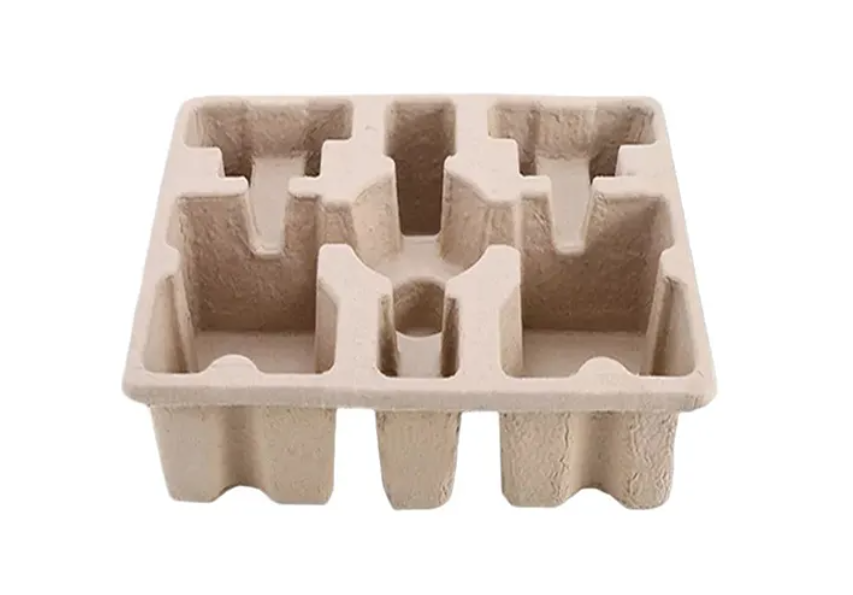
The second step is structural efficiency. A common mistake in molded pulp packaging is to assume that better protection simply means adding more material. In reality, a smarter structure can often improve protection while still keeping the package lighter and more resource-efficient. Rib placement, support geometry, cavity control, edge spacing, and load-path design can all contribute to stronger performance without unnecessary bulk.
This is where buyers should evaluate design quality rather than only material weight. A well-designed tray may achieve strong support with less raw material than a poorly designed heavy tray. For sustainable packaging projects, this is especially important because overbuilt packaging can undermine both environmental and commercial goals. The best balance often comes from structural optimization that reduces waste while maintaining reliable shock control, stacking performance, and handling practicality.
Judge Sustainability By Total Supply-Chain Outcome, Not By One Material Feature
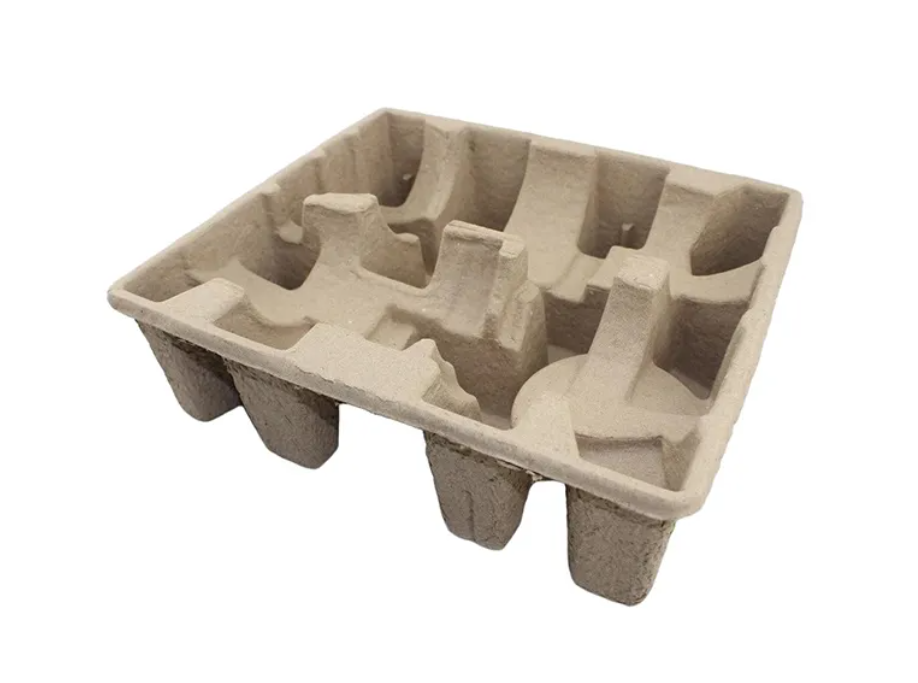
The final step is to evaluate sustainability at the total-system level. Buyers should ask whether the packaging reduces waste across the full supply chain, not only whether the tray itself sounds sustainable. If a weaker “green” packaging solution causes damage, customer complaints, or more frequent replacements, the overall result may be less sustainable than a slightly stronger design with better transport performance.
This is why total outcome matters. The right molded pulp packaging should protect the product, reduce logistics loss, support efficient packing, and still align with the brand’s environmental direction. Buyers who take this broader view usually make better decisions than those who only compare recycled content or tray weight. In practical procurement, real sustainability is achieved when protection, efficiency, and environmental value all work together.
Related product and article resources
For procurement comparison and technical evaluation, readers can continue with these related product pages and supporting articles.
Balancing sustainability and protection in molded pulp packaging means choosing credible material claims, optimizing structure for efficiency, and judging performance across the whole supply chain. Buyers should avoid solutions that are only green in presentation but weak in real use. The best molded pulp packaging is sustainable because it protects products well, uses resources wisely, and reduces waste over time.