












Repeated orders are where buyers truly discover whether a molded pulp packaging supplier is reliable. A supplier may produce one acceptable sample or one successful first order, but the real challenge is maintaining the same fit, structure, quality, and logistics performance across repeated production cycles. Packaging failure risk in repeat orders can come from material variation, tooling wear, silent process changes, poor change communication, or unstable production control. For buyers, reducing this risk is not just about checking each new batch. It is about building a controlled repeat-order system with the supplier from the beginning.
Standardize The Approved Reference For Material, Dimensions, And Structure
The first step is to make sure the approved package is clearly defined. Buyers should not rely on memory, general emails, or visual impressions when managing repeated molded pulp orders. There should be a controlled reference that defines the approved sample version, key dimensions, critical contact points, material type, wall thickness expectations, nesting behavior, and outer packing configuration. Without a clear reference, every repeat order becomes vulnerable to interpretation drift.
This reference should also include what matters most functionally. Some cosmetic variation may be acceptable, while dimensional or structural change may not be. Buyers should align with the supplier on what features are critical and what tolerance range is allowed. In repeated procurement, standardization is one of the strongest tools for preventing gradual packaging failure.
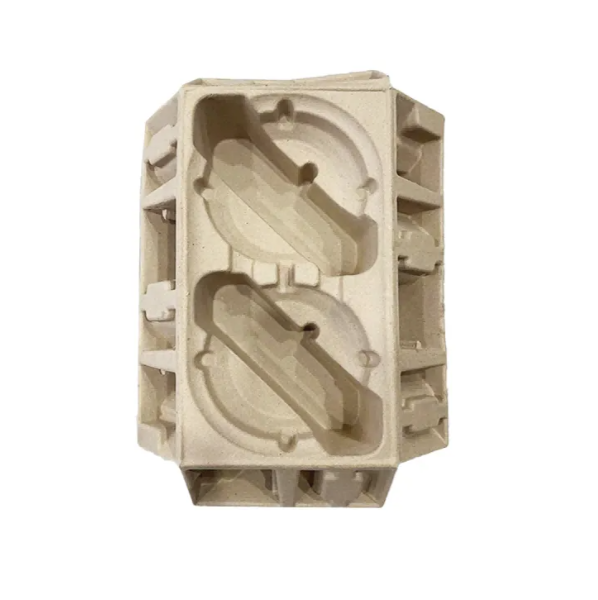
Control Tooling, Process Variation, And Any Change Before It Reaches Shipment
The second step is to control what changes between one order and the next. Tool wear, material substitution, drying-condition drift, trimming differences, and operator changes can all gradually affect molded pulp performance. Buyers should therefore ask how the supplier maintains tooling, how process consistency is monitored, and whether any material or process changes will be communicated before production.
A reliable supplier should not silently change pulp source, tray structure, carton packing, or mold condition. Even small changes can affect fit and protection in repeat orders. Buyers who want stable performance should require change notification and, when necessary, re-approval before the next shipment is released. Most repeat-order failures are not sudden accidents. They are the result of small uncontrolled variations accumulating over time.
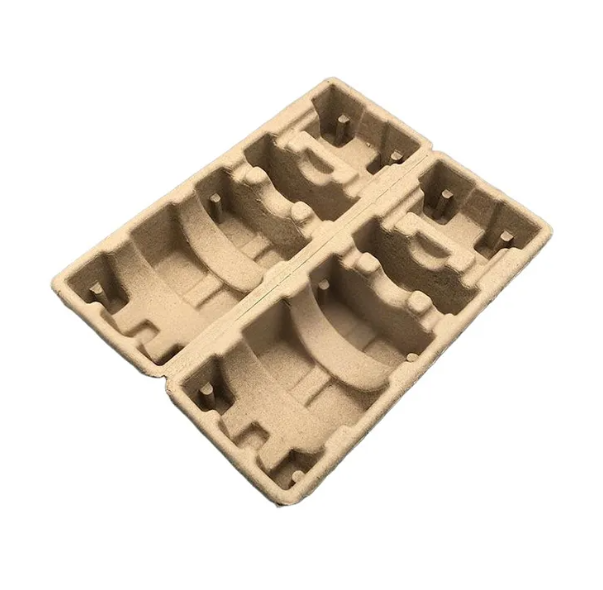
Use Batch Review, Incoming Inspection, And Supplier Communication To Keep Stability
The third step is active repeat-order management. Buyers should not treat repeat orders as risk-free. Each batch should still be reviewed against the approved standard, especially when the order volume is large, the project is export-related, or the product has tight fit requirements. Incoming inspection should focus on critical dimensions, shape retention, nesting behavior, carton condition, and any signs of drift from the approved version.
Communication matters just as much as inspection. If buyers share complaint patterns, fit issues, or logistics observations quickly, suppliers are more likely to correct problems before they spread across future batches. Long-term packaging stability is usually built through regular data sharing and disciplined review, not through one-time approval alone. In repeat molded pulp orders, the safest system is one where buyer and supplier both watch for variation early and respond before failure reaches the market.
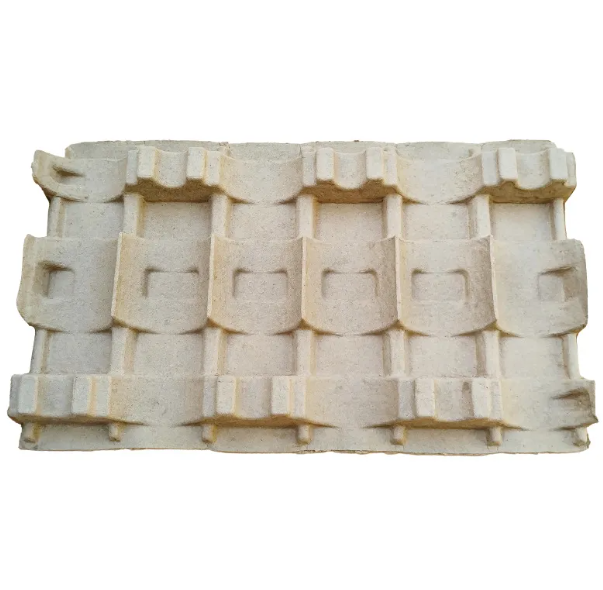
To reduce packaging failure risk in repeated molded pulp orders, buyers should standardize the approved reference, control changes in tooling and process, and actively review each batch with the supplier. Repeat-order stability does not happen automatically. It is the result of controlled standards, transparent communication, and disciplined execution over time.