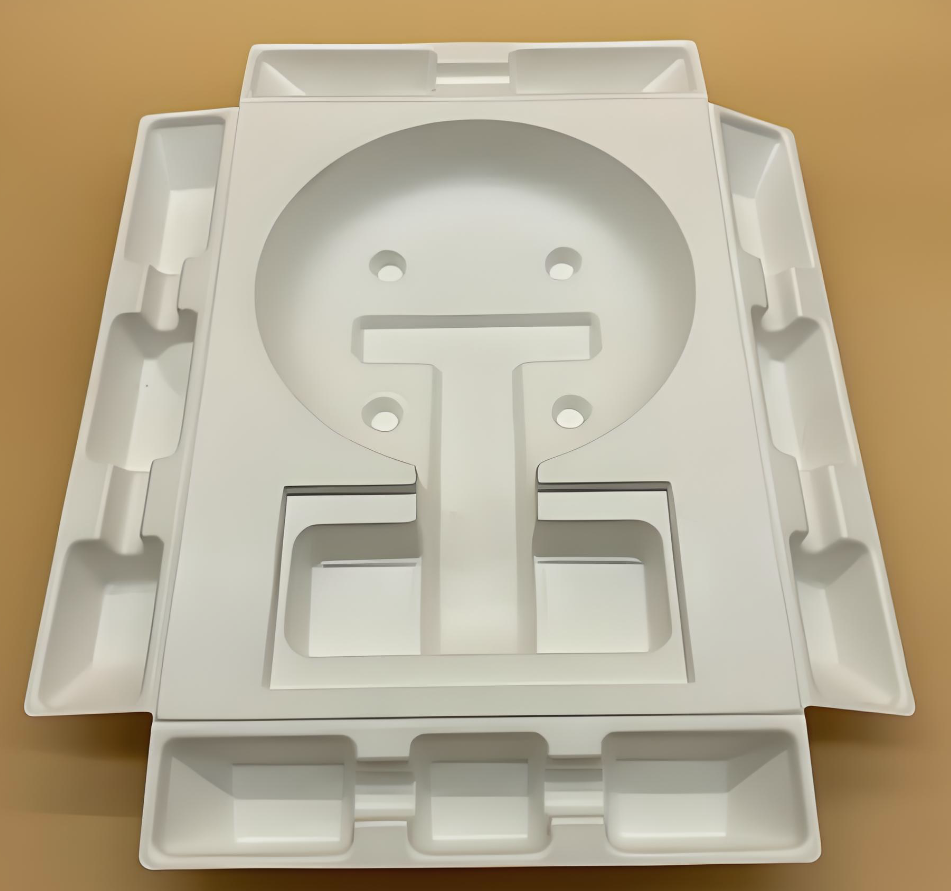
Wet-Press vs. Dry-Press: Choosing the Right Technology for Your Product
In the world of molded pulp packaging, the choice between wet-press and dry-press technology is not just a manufacturing decision—it’s a strategic one that impacts product performance, cost, and sustainability. Hanyang, a leader in molded pulp innovation, offers both technologies to meet diverse industry needs. Understanding the differences between these methods is key to optimizing your packaging for functionality, aesthetics, and environmental goals. This guide breaks down the unique advantages, applications, and considerations for each, empowering brands to make an informed choice.
1. Wet-Press Technology: The Traditional Powerhouse for High Volume and Efficiency
Wet-press technology involves forming pulp slurry in molds, followed by high-pressure compression and heating. The high moisture content allows the pulp fibers to flow and interlock evenly, resulting in a product that is uniform, dense, and exceptionally strong. This method excels in producing standardized, high-volume items with simple geometries, such as egg trays, fruit trays, and industrial protective packaging. Its high-speed production cycles and relatively lower tooling costs make it the most cost-effective choice for large orders where speed and economy are priorities. Hanyang’s wet-press lines are optimized for efficiency, capable of producing thousands of units per hour with excellent consistency.
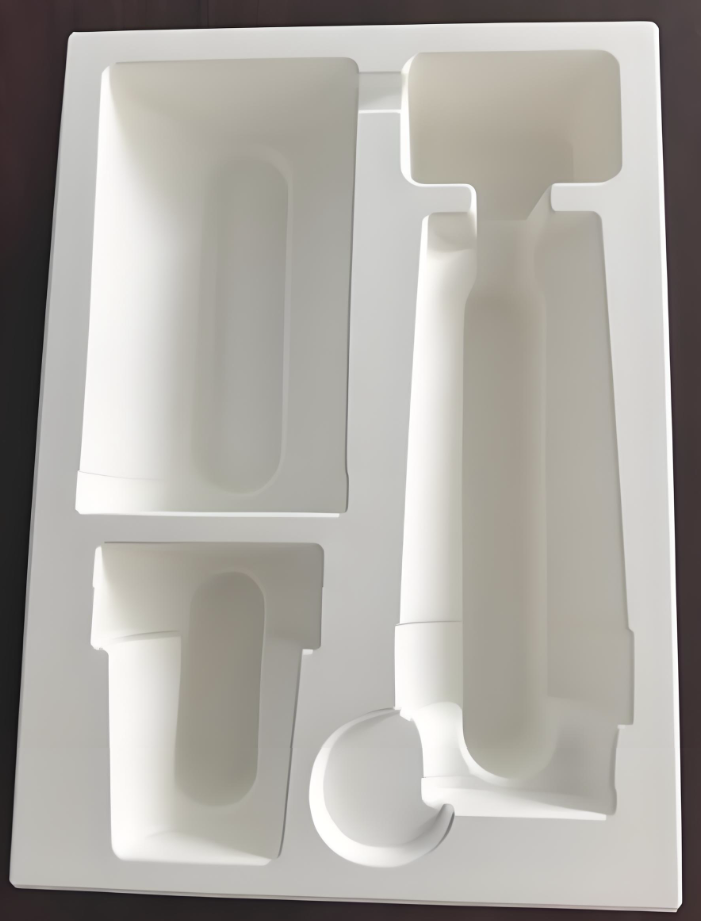
2. Dry-Press Technology: Precision and Versatility for Complex Designs
Dry-press technology, in contrast, uses pre-dried pulp boards that are pressed into shape with heat and high pressure. This process yields products with a smoother surface finish, tighter tolerances, and more intricate detail. It is ideal for applications requiring a premium look and feel, such as electronics packaging, cosmetic trays, and high-end consumer goods. Dry-pressed items are often stronger and more rigid than their wet-pressed counterparts, providing superior protection for fragile items. While the initial tooling investment is higher and production speeds are generally slower, the ability to create complex, multi-wall structures and achieve finer aesthetics makes it indispensable for branding and high-value products. Hanyang’s dry-press capabilities allow for greater customization, including embossed logos, textured surfaces, and precise color matching.
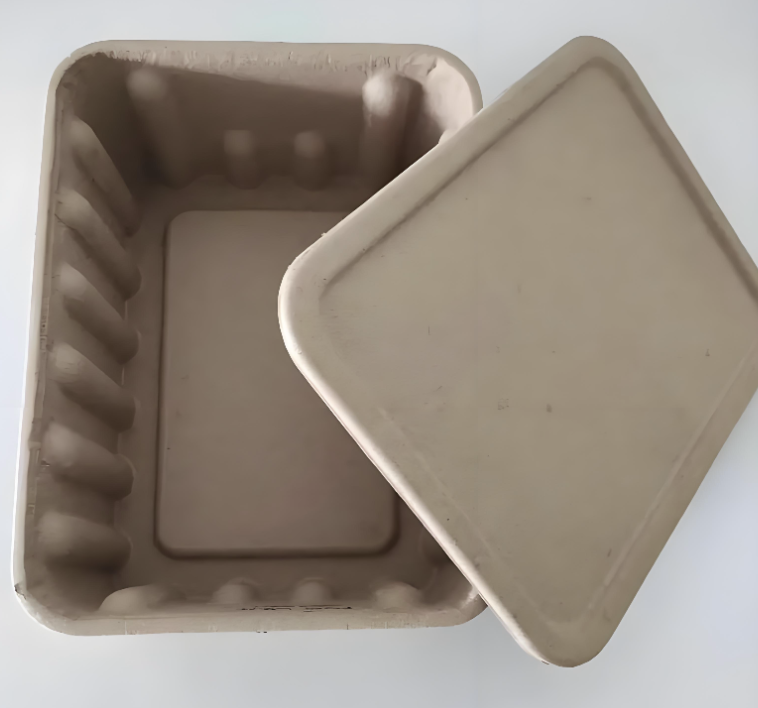
3. Making the Strategic Choice: Factors to Consider for Your Project
Selecting the right technology hinges on a clear analysis of your product requirements. Consider volume, complexity, budget, and sustainability goals. Wet-press is typically favored for high-volume, cost-sensitive applications with simple designs, where rapid production and low per-unit cost are critical. Dry-press is the go-to for low-to-medium volume runs of complex, high-value items where aesthetics, structural integrity, and brand presentation are paramount. Hanyang’s engineering team provides expert consultation, often recommending hybrid approaches. For instance, a product might utilize a wet-pressed base for structural strength and a dry-pressed lid for a premium finish. Ultimately, the choice aligns your packaging with both functional needs and market positioning.