From Waste to Resource: How Recycled Paper is Transformed into Molded Pulp
The transition from waste paper to high-performance molded pulp packaging represents a cornerstone of the circular economy. Hanyang has mastered this transformation, turning discarded paper materials into durable, sustainable packaging solutions that serve industries from electronics to fresh food. This process not only diverts waste from landfills but also significantly reduces the carbon footprint associated with traditional packaging materials. By leveraging recycled content, Hanyang demonstrates that sustainability and functionality can coexist without compromise.
1. The Journey Begins: Sourcing and Preparing Recycled Paper
The process starts with the collection of post-consumer and post-industrial paper waste, such as cardboard, newspapers, and office paper. At Hanyang’s facility, this waste is sorted to remove contaminants like plastics, metals, or adhesives. The cleaned paper is then shredded into small pieces and mixed with water in a pulper to create a slurry. This slurry undergoes rigorous screening and cleaning to eliminate any remaining impurities, ensuring the final pulp is of consistent quality. Hanyang’s use of advanced sorting technologies maximizes the yield of usable fiber while minimizing waste, setting the stage for efficient production.
2. The Transformation: Turning Pulp into Precision Products
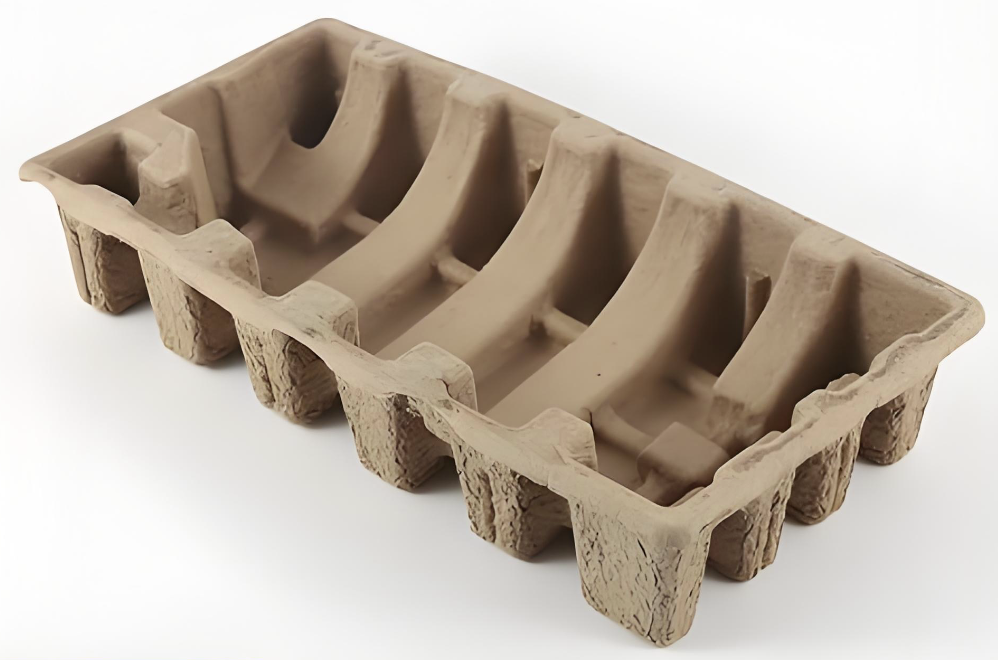
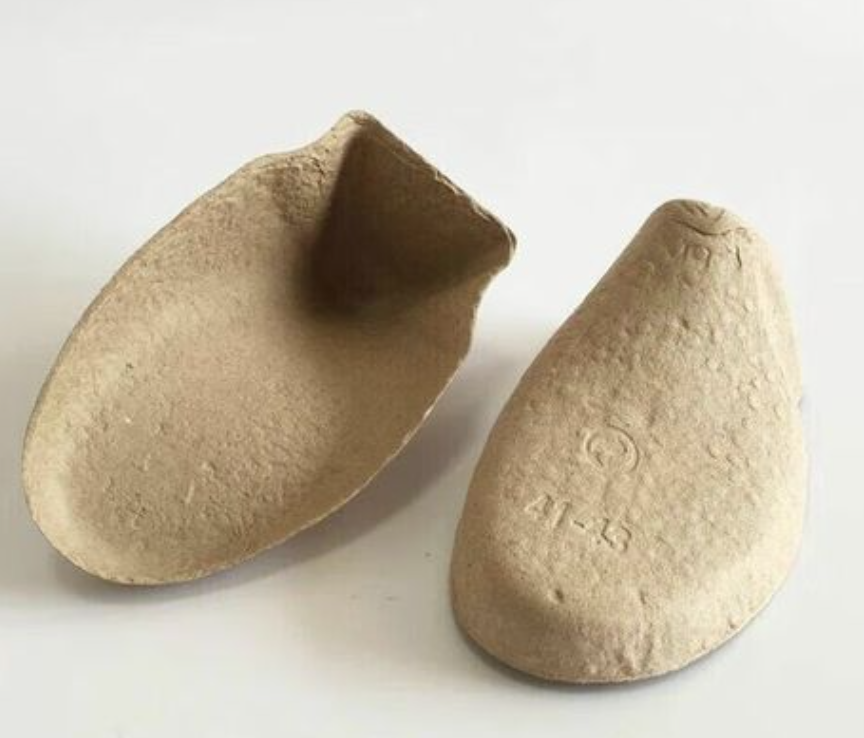
The purified pulp is then fed into molding machines, where it is shaped into specific forms using custom-designed molds. Hanyang employs both wet-press and dry-press technologies, depending on the product requirements. For instance, wet-press is ideal for high-volume items like egg trays, while dry-press offers superior surface finish for electronics packaging. The molded products pass through drying systems—such as Hanyang’s energy-efficient automated dryers—to remove moisture and achieve the desired strength and rigidity. This stage is critical for ensuring dimensional accuracy and functional performance, such as shock absorption or load-bearing capacity.
3. Closing the Loop: Environmental and Economic Impacts
By using recycled paper as its primary raw material, Hanyang reduces reliance on virgin wood pulp, conserving natural resources and energy. The company’s closed-loop water system recycles 95% of the water used in production, while its solar-assisted dryers cut greenhouse gas emissions by up to 30% compared to conventional methods. The final products are 100% biodegradable and compostable, aligning with global standards like EN13432. Economically, Hanyang’s process lowers material costs for clients while supporting their ESG goals—a win-win for businesses and the planet.
Related product and article resources
For procurement comparison and technical evaluation, readers can continue with these related product pages and supporting articles.