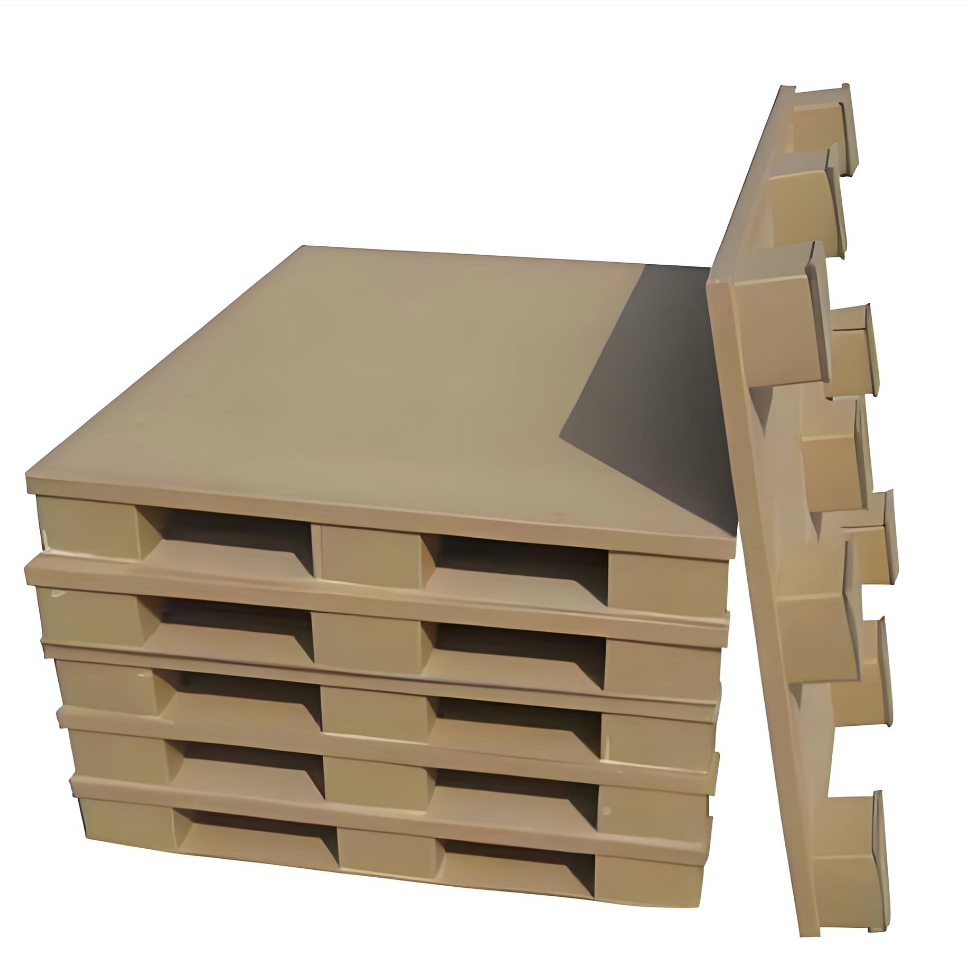
The Science Behind Waterproof Molded Pulp: Innovations in Sustainable Packaging
As the global demand for eco-friendly packaging grows, a key challenge has been balancing sustainability with functionality—particularly in applications requiring moisture resistance. Traditional molded pulp, while biodegradable, often lacks the durability needed for humid environments or liquid containment. Hanyang’s breakthroughs in waterproof molded pulp technology address this gap by combining natural materials with advanced engineering. This innovation unlocks new possibilities for industries like food packaging, electronics, and logistics, where protection against water damage is critical. By leveraging scientific principles and sustainable practices, Hanyang is redefining the potential of pulp-based packaging.
1. The Chemistry of Water Resistance: From Fibers to Barriers
Waterproof molded pulp relies on a dual approach: intrinsic fiber modification and surface barrier technology. Hanyang treats pulp fibers with plant-based hydrophobic agents (e.g., chitosan or lignin derivatives) that reduce water absorption at the molecular level. These agents form covalent bonds with cellulose, creating a moisture-resistant network without compromising biodegradability. Additionally, a water-based polymer coating is applied post-molding to seal surface pores. This coating, derived from renewable resources like corn starch, achieves a Water Vapor Transmission Rate (WVTR) of <10 g/m²/day—comparable to some plastics. The result is a material that repels liquids while remaining compostable.
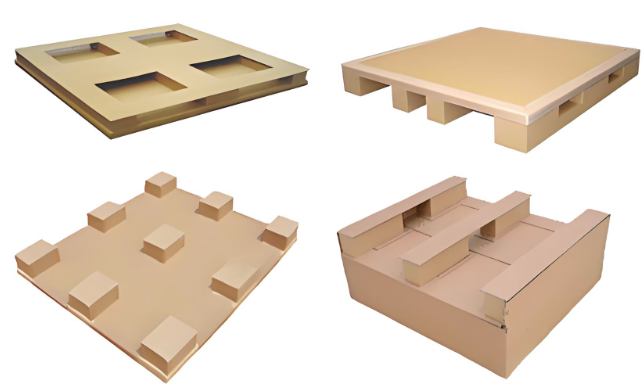
2. Manufacturing Innovations: Precision Engineering for Durability
Hanyang’s waterproof pulp products are crafted using dry-press molding technology, which enables tighter fiber compression and smoother surfaces. The process begins with optimized pulp formulations containing high-strength recycled fibers (e.g., from corrugated cardboard or agricultural waste). During pressing, precise temperature control (120–150°C) ensures the hydrophobic additives integrate uniformly. For high-wear applications, such as reusable food containers, Hanyang employs a nanocellulose reinforcement technique that boosts tensile strength by 40%. These engineering refinements allow the pulp to withstand humid conditions for up to 72 hours without warping or degradation.
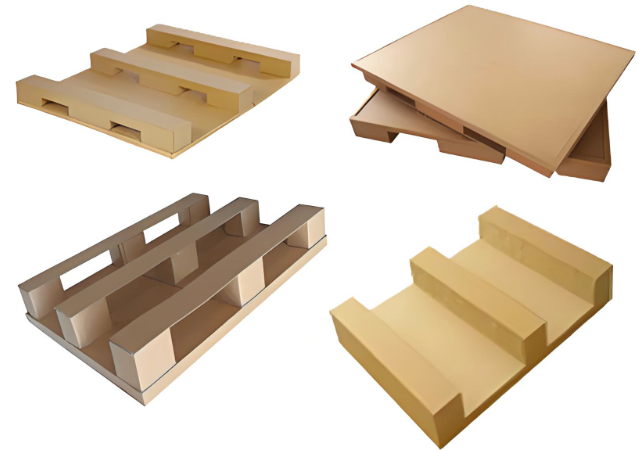
3. Real-World Applications: From Food Trays to Electronics Packaging
The versatility of waterproof molded pulp is evident across industries. In fresh food packaging, Hanyang’s pulp trays with micro-perforations manage condensation while resisting leaks—extending the shelf life of poultry and seafood by 25%. For electronics, anti-static waterproof pulp shields sensitive components from humidity during shipping. A case study with a Southeast Asian seafood exporter demonstrated a 60% reduction in packaging-related waste after switching to Hanyang’s solution. Beyond functionality, these products align with circular economy goals: after use, they decompose in industrial composters within 90 days, leaving no microplastics.