












From Farm to Table: Molded Pulp Trays Revolutionizing Fresh Food Packaging
The global fresh food supply chain faces a dual challenge: preserving product quality while reducing environmental impact. Traditional plastic packaging, though effective in protection, contributes significantly to pollution and waste. Molded pulp trays, crafted from renewable resources like sugarcane bagasse and recycled paper, are emerging as a sustainable alternative that meets the rigorous demands of fresh food packaging. Suzhou Hanyang Paper Plastic Products Co., Ltd., with 25 years of expertise, is at the forefront of this revolution, designing trays that ensure freshness, minimize waste, and align with circular economy principles.
1. Preserving Freshness: How Molded Pulp Enhafood Shelf Life
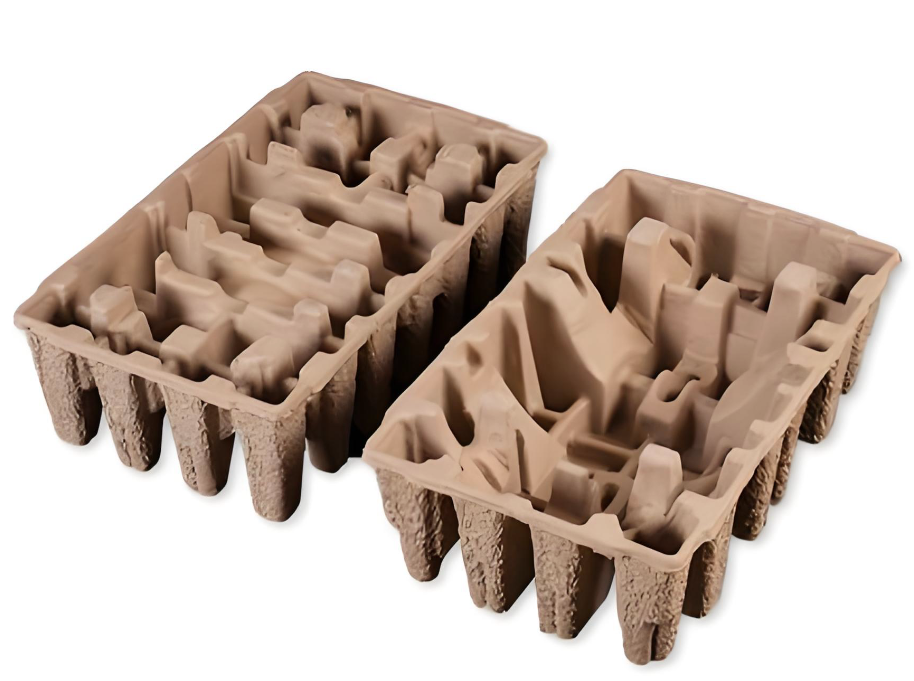
Molded pulp trays are engineered to regulate moisture and airflow, critical factors in maintaining the freshness of perishable goods. Hanyang’s trays feature micro-perforations and absorbent layers that manage condensation, preventing spoilage for items like fruits, vegetables, and poultry. For example, their ventilated designs reduce ethylene buildup—a natural gas that accelerates ripening—extending the shelf life of produce by up to 30%. Additionally, the trays’ inherent rigidity protects delicate foods from crushing during transit. Unlike plastic, which can trap heat and moisture, pulp’s breathable structure ensures optimal conditions from farm to table.
2. Sustainability in Action: Reducing Waste and Carbon Footprint
The environmental benefits of molded pulp trays extend beyond biodegradability. Hanyang’s use of agricultural waste, such as sugarcane bagasse, transforms by-products into valuable packaging, reducing reliance on virgin materials. Their production process employs energy-efficient drying lines and closed-loop water systems, cutting carbon emissions by up to 50% compared to plastic foam alternatives. After use, the trays decompose within 3–6 months, enriching soil instead of lingering in landfills. This circular approach aligns with global initiatives like the EU’s Farm to Fork Strategy, which emphasizes sustainable food packaging.
3. From Farm to Market: Practical Applications and Case Studies
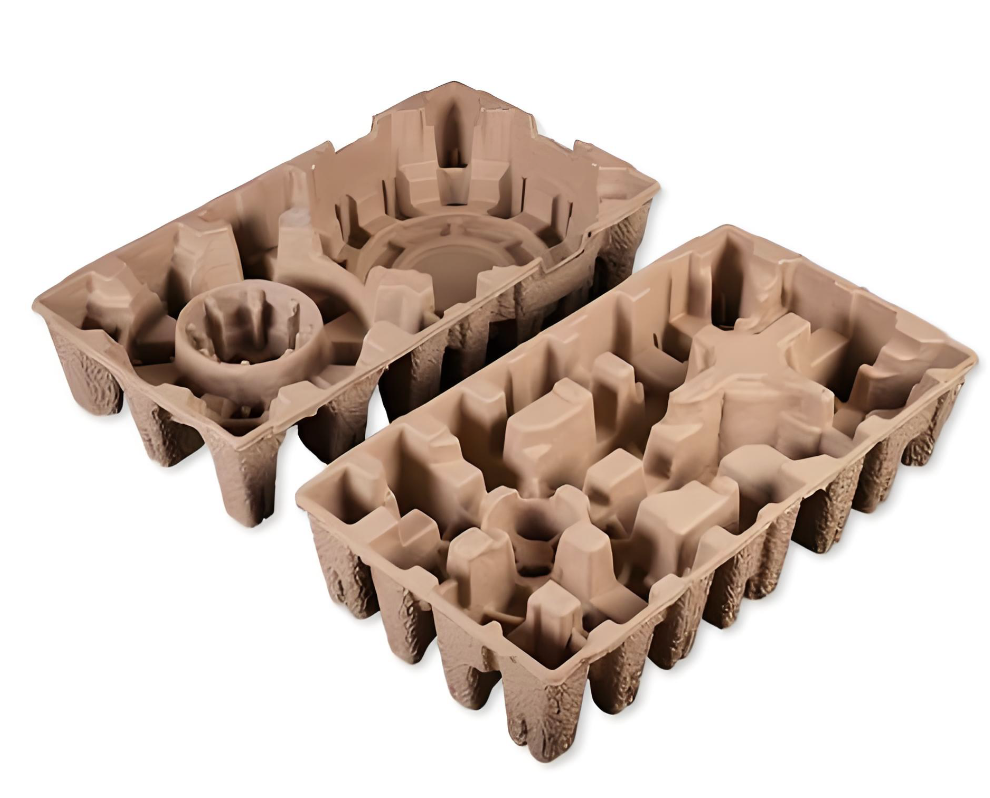
Hanyang’s molded pulp trays are tailored to diverse food sectors. In the poultry industry, absorbent trays with drip-catching channels minimize cross-contamination, while stackable designs optimize logistics for eggs and dairy. For premium produce like berries, custom-shaped trays with cushioning properties reduce bruising. A case study with a leading Asian supermarket chain showed a 40% reduction in food waste after switching to Hanyang’s pulp trays, alongside a 25% drop in packaging costs. These successes highlight how sustainable packaging can be both ecologically and economically viable.
Related product and article resources
For procurement comparison and technical evaluation, readers can continue with these related product pages and supporting articles.