












Color Customization: Beyond Traditional Brown Pulp
The image of molded pulp packaging has long been associated with a rustic, earthy brown—a color synonymous with recyclability but often perceived as basic or industrial. However, as brands increasingly leverage packaging as a key touchpoint for consumer engagement, the demand for aesthetically aligned, sustainable packaging has surged. Suzhou Hanyang Paper Plastic Products Co., Ltd. is responding to this shift by pioneering advanced color customization technologies, enabling molded pulp to transcend its traditional palette and align with diverse brand identities, from minimalist white to vibrant hues. This evolution not only enhances visual appeal but also reinforces the functional and environmental benefits of pulp-based materials.
1. Technological Innovations in Pulp Coloring
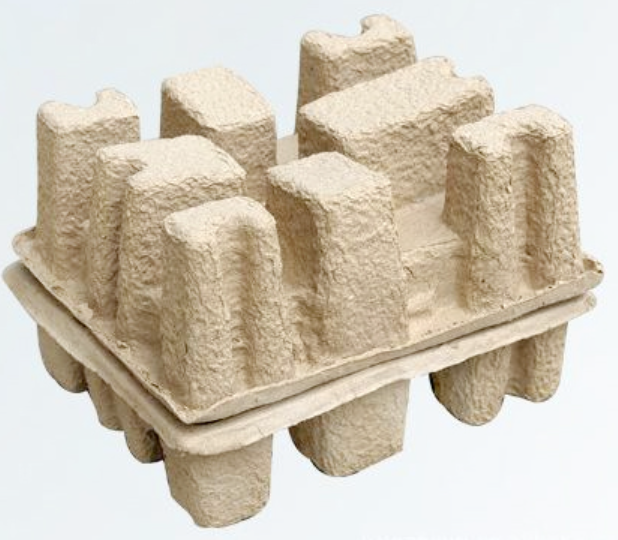
The process of coloring molded pulp involves more than simply adding dyes; it requires careful consideration of material integrity, color fastness, and environmental impact. Hanyang utilizes organic and mineral-based pigments that bond securely with cellulose fibers during the pulping stage, ensuring uniform color distribution without compromising the material’s biodegradability. For example, their signature A4 white pulp achieves its brightness through a proprietary bleaching process that avoids chlorine-based chemicals, aligning with ROHS and SVHC certifications. Additionally, colorants are tested for stability under varying humidity and temperature conditions to prevent fading or leaching during transit or storage. This technical precision allows Hanyang to offer a spectrum of colors while maintaining the structural and eco-friendly properties of the pulp.
2. Functional and Branding Applications
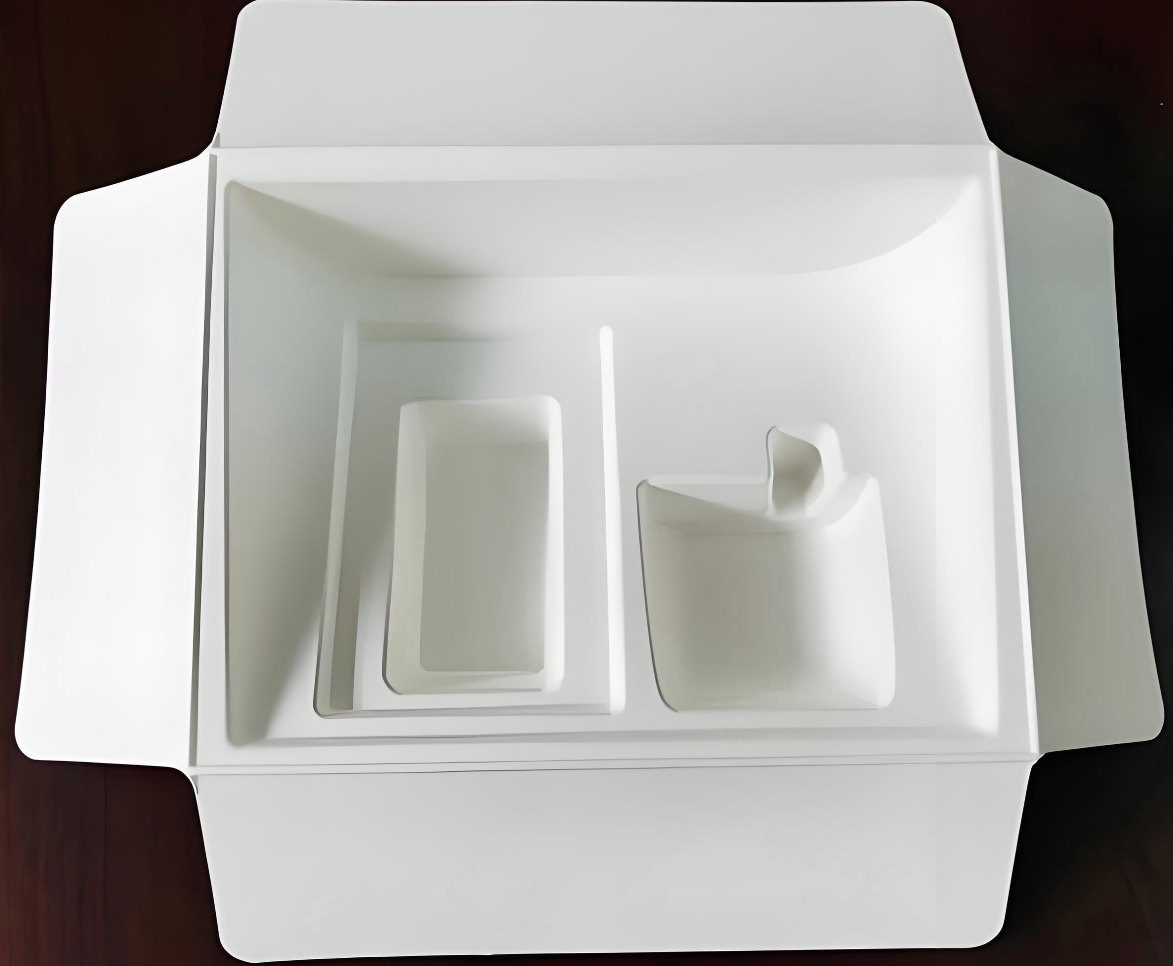
Color customization serves dual purposes: enhancing brand recognition and addressing functional needs. For luxury cosmetics brands, Hanyang’s elegant white or pastel-colored pulp trays convey premium quality and align with minimalist aesthetics, directly replacing plastic inserts while reducing environmental footprint. In contrast, for electronic components, light-gray or black pulp can help conceal technical parts or reduce visual distractions during assembly. Hanyang’s dry-press technology further enables high-resolution logo embossing and intricate patterns in contrasting colors, turning protective packaging into a marketing tool. By collaborating with brands to match Pantone codes or develop exclusive shades, Hanyang demonstrates how color can elevate molded pulp from mere utility to a strategic brand asset.
3. Sustainability and Market Impact
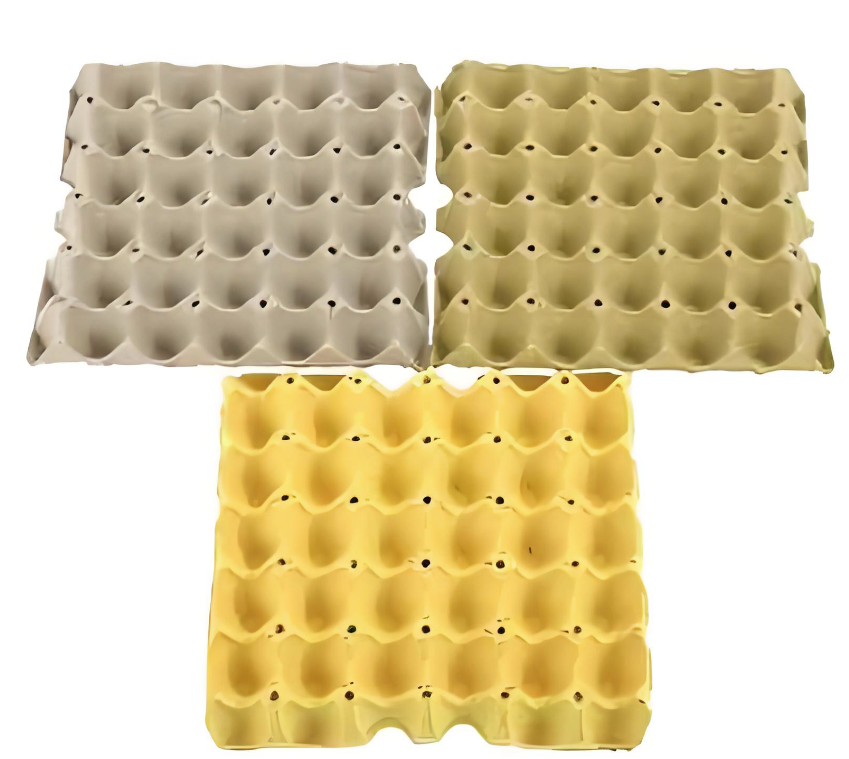
A common misconception is that colored pulp sacrifices sustainability. However, Hanyang’s colorants are rigorously screened for non-toxicity and compliance with global composting standards (e.g., EN13432). Their water-based pigment systems reduce VOC emissions compared to solvent-based alternatives, and the company’s closed-loop water management minimizes waste during production. As global regulations—such as the EU’s Single-Use Plastics Directive—push brands toward sustainable alternatives, customizable colored pulp offers a viable solution without compromising on aesthetics. Early adopters in the food, electronics, and gift packaging sectors report higher consumer satisfaction and brand perception, proving that sustainability and visual appeal are no longer mutually exclusive.
Related product and article resources
For procurement comparison and technical evaluation, readers can continue with these related product pages and supporting articles.