












Sustainable Food Packaging Materials for Bottles Fruit and Takeaway Products
Food and beverage packaging has to protect products that are often fragile, moisture sensitive and frequently handled. Glass bottles need separation during transport, fruit needs ventilation and gentle support, while takeaway products require packaging that is easy to carry, stack and dispose of after use.
As brands and distributors look for ways to reduce plastic, paper based and fiber based packaging are becoming more important. Corrugated paper, paperboard and molded pulp can all support different food packaging applications, but buyers should compare them according to product weight, moisture exposure, transport conditions and end use.
The best sustainable food packaging solution should reduce unnecessary plastic while still protecting the product and keeping packing and logistics practical at commercial scale.
Choose Packaging That Keeps Bottles Separated During Transport
Glass bottles and beverage containers are vulnerable to impact and product to product contact. During warehouse handling and export shipping, vibration can cause bottles to move repeatedly inside the carton. If the packaging does not maintain separation, labels, glass surfaces and bottle shoulders may be damaged.
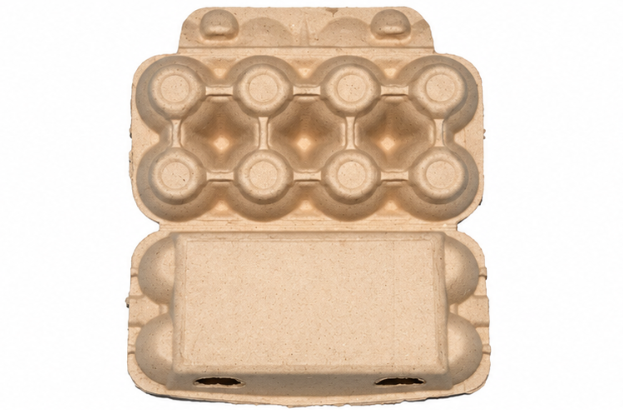
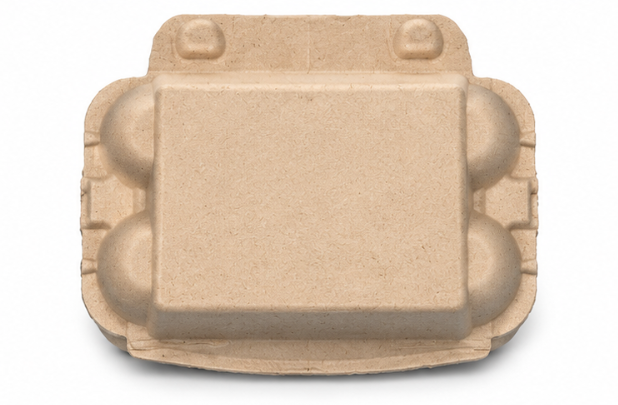
Molded pulp trays can create individual bottle positions and support the base, body or shoulder depending on the bottle shape. For wine, spirits, beverages and other glass products, this can reduce direct contact between bottles while keeping the carton layout organized.
Corrugated partitions can also work well for standard bottle shapes and large production quantities. Buyers should compare whether a folded partition or a molded fiber tray provides better stability, packing speed and carton utilization for the specific bottle.
Moisture resistance should also be reviewed because beverage supply chains may include cold storage, humid warehouses or condensation. Fiber packaging should be specified according to the real environment instead of assuming that every paper based structure performs the same way.
Before mass production, buyers can test bottle spacing, carton compression and vibration performance to confirm that the packaging remains stable throughout the expected shipping route.
Balance Cushioning Ventilation and Fresh Produce Handling
Fresh fruit has different packaging requirements from bottled products. Apples, pears, peaches and other produce can bruise when pressure is concentrated on a small contact area. Packaging therefore needs to support each item while limiting unnecessary movement.
Molded pulp fruit trays can create individual pockets that distribute contact more evenly. The fiber structure can also be designed with openings and spacing that support airflow during packing, storage and distribution.
For exporters, tray dimensions should match the outer carton and pallet configuration. A protective tray that creates too much empty space can increase shipping volume, while a tray that is too tight may place pressure on the fruit and increase bruising.
Buyers should also consider the appearance of the tray if the fruit packaging is visible at retail. Cleaner molded fiber surfaces and consistent tray color can support a more natural presentation while still providing practical protection.
For agricultural and food distributors, sample trials with the real fruit size range are important because natural products can vary more than manufactured items.
Make Takeaway Packaging Easy to Carry Stack and Dispose
Takeaway food and beverage packaging is used differently from export protective packaging. Customers may carry multiple drinks by hand, delivery drivers may stack orders in bags and restaurants need packaging that can be handled quickly during busy service periods.
Molded fiber cup carriers are useful because they can hold two or more cups with defined support around the base and side walls. The tray should remain stable when carried but should not use more material than necessary.
For food containers, paperboard and plant fiber materials can also be considered depending on temperature, grease, moisture and food contact requirements. Buyers should distinguish between a protective transport tray and packaging that directly contacts food because the material requirements may be different.
Stackability is important for restaurants and distributors. Empty cup carriers or food trays should store efficiently before use, while packed products should remain stable during local delivery.
Brand owners should also check whether coatings, inks or treatments affect recycling or composting claims. A fiber appearance alone does not guarantee that every finished package will have the same end of life characteristics.
The best takeaway packaging combines practical handling with a material system that matches the brand's sustainability goals and local waste infrastructure.
Match Sustainable Packaging to the Food Product and Supply Chain
Bottles, fruit and takeaway products require very different packaging structures. Molded pulp, corrugated paper and paperboard can all support more sustainable food packaging when they are selected according to product weight, moisture exposure, handling and transportation conditions.
For buyers, the strongest solution is one that protects the product, keeps packing efficient and uses a material system that is realistic for recycling or disposal in the destination market. Custom molded pulp packaging can be especially useful when a three dimensional fiber structure is needed for bottle separation, fruit support or beverage carrying applications.