












How Recyclable Packaging Differs From Biodegradable Packaging for Buyers
Recyclable packaging and biodegradable packaging are often discussed together, but they describe two different end-of-life pathways. For buyers sourcing packaging for electronics, food, beverages, appliances or consumer products, understanding the difference is important because the wrong assumption can lead to confusing claims, unsuitable materials and poor disposal outcomes.
Recyclable packaging is designed to be collected, sorted and processed into material that can be used again. Biodegradable packaging is designed to break down through biological activity under suitable environmental conditions. A package may be recyclable, biodegradable, both or neither depending on its material composition and treatment.
For procurement teams, the right question is therefore not which term sounds more sustainable. Buyers should ask how the package will be used, what infrastructure exists in the destination market and whether the material still provides the required product protection.
Understand What Happens After the Package Is Used
Recyclable packaging depends on a collection and processing system. Corrugated cartons, paperboard and many molded pulp products can often enter established paper recycling streams if they are clean enough and do not contain problematic coatings, laminations or permanently bonded materials.
Biodegradable packaging follows a different route. Natural fiber materials can break down through biological processes under suitable conditions, but the speed and completeness of degradation depend on temperature, moisture, microorganisms and the way the packaging has been manufactured.
This means buyers should be careful with broad claims. A molded fiber tray made from paper pulp may have strong end-of-life advantages, but coatings, wet-strength additives, inks or adhesives can change how the finished package behaves after disposal.
Compostable packaging is another separate category. Compostability usually refers to materials designed to break down under defined composting conditions. Buyers should avoid using recyclable, biodegradable and compostable as interchangeable terms.
The clearest sourcing approach is to ask the supplier for the actual material structure and then evaluate which end-of-life route is realistic in the target market.
Compare Material Claims With Real Market Infrastructure
A packaging material may technically be recyclable but still face practical limitations if local collection systems do not accept it. The same is true for biodegradable or compostable materials when the required disposal environment is not available.
For export buyers, destination markets matter. Packaging sold into several countries may encounter different collection rules, recycling systems and consumer disposal habits. This makes simple material structures easier to manage than packages that combine many difficult-to-separate layers.
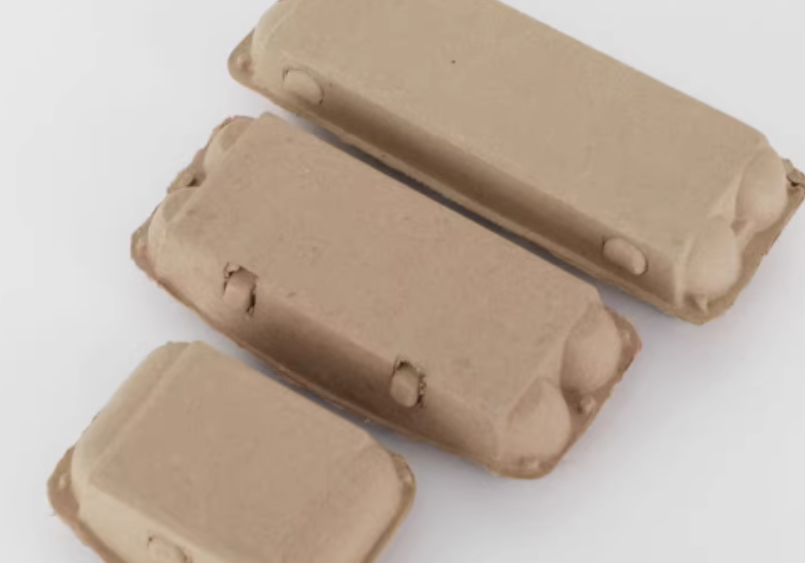
Molded pulp can be useful because it can provide structural protection while remaining primarily fiber based. It can replace some EPS foam or plastic trays in electronics, appliance, bottle and food packaging applications.
Buyers should also consider product protection. If reducing coatings or changing materials makes the package fail under moisture, compression or transportation stress, the overall environmental result may become worse because damaged products must be replaced.
This is why packaging sustainability should be evaluated together with transport performance, logistics efficiency and product damage risk.
Choose Packaging According to Product Use and Disposal Route
For many durable consumer products, recyclable fiber packaging may be more practical because collection systems for paper and cardboard are already familiar in many markets. Corrugated cartons, paperboard and molded pulp can often be separated and collected through existing systems.
Biodegradable packaging may be attractive for applications where contamination or short use cycles make traditional recycling more difficult, but the actual disposal environment still needs to be considered. A biodegradable claim has limited value if the package is sent to a waste stream where the required conditions do not exist.
For molded pulp packaging, buyers should review fiber source, surface treatments, moisture resistance requirements and any added materials. A simple uncoated fiber tray may have a different end-of-life profile from a heavily treated molded fiber package.
Procurement teams should also consider packaging weight and volume. A lighter package that uses fewer materials and ships efficiently can reduce environmental impact before disposal even begins.
The best projects often combine several goals including lower plastic use, simpler material structure, efficient logistics and realistic end-of-life options. Buyers should therefore avoid making decisions based on one sustainability word alone.
When working with a packaging supplier, ask for material specifications, coating information, packaging weight and recommendations for end-of-life handling. This creates a stronger basis for sustainability claims and purchasing decisions.CONCLUSION
Focus on Real End of Life Performance
Recyclable packaging and biodegradable packaging solve different end-of-life problems. Recyclable packaging depends on collection and material recovery, while biodegradable packaging depends on biological breakdown under suitable conditions.
For buyers, the best choice depends on product protection, material structure, destination market and available disposal infrastructure. Molded pulp can support both plastic reduction and fiber based packaging strategies, but procurement decisions should be based on verified material specifications and realistic end-of-life routes rather than broad sustainability claims.