












Regional Comparison of Cup Holder Design Preferences and Regulatory Policies
The design preferences and regulatory policies for beverage cup holders vary significantly across North America, Europe, and Southeast Asia. Understanding these differences is crucial for market success. The table below provides a comparative overview.
Comparison Dimension | North America (e.g., US, Canada) | Europe (e.g., EU) | Southeast Asia (e.g., Malaysia, Thailand, Indonesia) |
|---|---|---|---|
Core Design Preferences | Sturdy and durable, with an emphasis on structural strength to accommodate large takeaway beverages. There is a preference for large sizes suitable for big drink volumes. | Minimalist and eco-friendly, focusing on aesthetic lines and ergonomics. There is a strong preference for recycled/degradable materials. | Functional and practical, prioritizing ventilation and moisture resistance to suit hot, humid climates. High sensitivity to cost. |
Key Regulatory Focus | Strength Standards & Certification: Emphasis on passing standard tests (e.g., ASTM). Strict regulations exist for specific products. | Green Barriers & Safety: Stringent environmental regulations (e.g., REACH), chemical restrictions, and safety certifications (CE marking, LFGB for food contact). | Dynamic Adaptation & Certification: Policies vary greatly by country. Common requirements include VAT, rules of origin, and specific certifications (e.g., Indonesia's SNI). |
Market Access Challenges | Strict IP protection, precise declaration requirements, and stringent oversight of sensitive products. | High compliance costs, extreme supply chain transparency requirements, and strict environmental regulations for packaging materials. | Uncertain clearance processes, potential for inconsistent policy enforcement, and need to respect religious/cultural taboos. |
🇺🇸 North American Market: Pragmatism and Compliance-First
The North American market, particularly the US, places a high value on practicality and durability in cup holder design. This is reflected in stringent requirements for structural strength. Designs often prioritize accommodating large-capacity beverage cups common in the region's popular coffee-to-go culture.

Regulatory oversight is characterized by a strong reliance on standards and certifications. Products often need to comply with tests from international standards bodies. Furthermore, regulations are particularly strict for specific product categories. The customs system demands high accuracy in declarations, and any discrepancies can cause clearance delays.
🇪🇺 European Market: Green Focus and Safety Standards
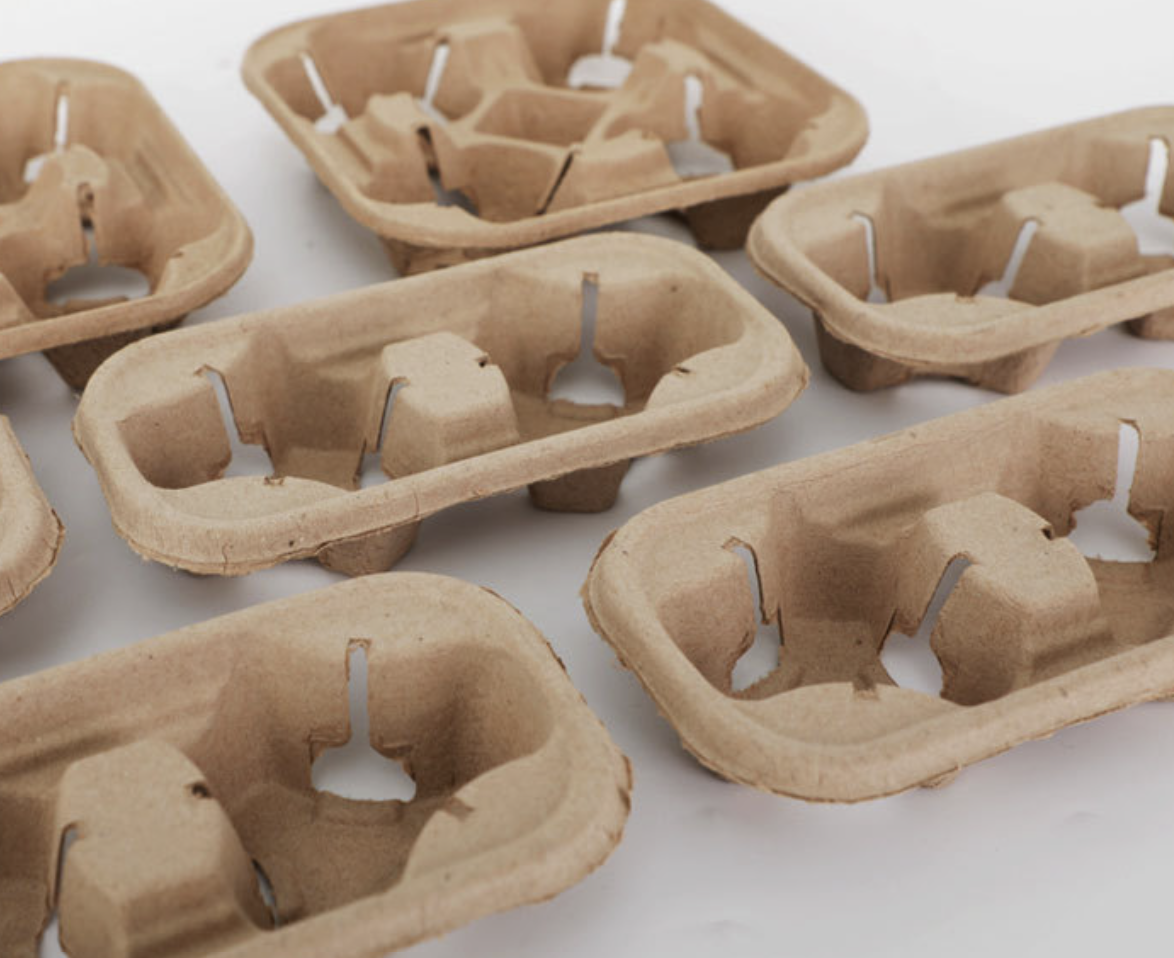
High consumer environmental awareness in Europe directly influences cup holder design, leading to a preference for sustainable materials. The design style tends towards minimalist aesthetics, with attention to ergonomic details tailored to European anthropometric data for improved comfort.
European regulations are known for being comprehensive and strict, potentially covering a product's entire lifecycle. Key aspects include the REACH regulation for chemicals, and the need for the CE marking to indicate conformity with EU health, safety, and environmental requirements. The EU has abolished the low-value consignment exemption for import VAT, requiring all goods to be declared, which places high demands on supply chain transparency.
🇸🇬 Southeast Asian Market: Diversity, Adaptation, and Cost Considerations
The Southeast Asian market is highly diverse. Cup holder design must first consider adaptation to the hot and humid tropical climate. Consequently, materials with stronger moisture resistance are preferred, and hardware may require anti-corrosion treatment. Design styles focus more on functionality and cost control to meet local market price sensitivity.
Policies are highly fragmented in Southeast Asia, with no unified standards. Companies must research the specific requirements of each target country. For instance, Indonesia requires all imported FCMs to undergo quality and quantity verification by designated testing bodies and have Indonesian-language labels. Within the RCEP framework, while some member states offer tariff reductions, implementation standards vary, presenting both opportunities and challenges. Additionally, obtaining Halal certification is crucial for market acceptance in several Southeast Asian countries .
Key Recommendations for Market Entry
Conduct In-depth Research on Target Countries: Before entering a specific market, thoroughly study its latest customs regulations and product standards. Utilize official customs websites, trade promotion agencies, or consult professional logistics service providers for accurate information.
Ensure Compliance and Accurate Declaration: Regardless of the market, accurate and standardized declaration is the prerequisite for smooth customs clearance. Ensure declaration information (e.g., product name, material, value, HS code) exactly matches the physical goods to avoid inspections, fines, or even re-shipment due to under-declaration or misdeclaration.
Choose Reliable Local Partners: Collaborating with logistics service providers that have local customs clearance qualifications and experience in the destination country is crucial. They are familiar with local policy nuances and potential risks.

Respect Cultural Customs: Especially in Southeast Asian and Middle Eastern markets, pay close attention to local religious and cultural taboos regarding patterns and colors.

This comparative analysis aims to provide clear guidance for entering these diverse markets. If you have a specific country or product type in mind, I may be able to offer more targeted information.