












The Green Revolution in Egg Packaging: How Paper Pulp Trays Return to Nature
In an era of escalating plastic pollution, the search for sustainable alternatives has never been more urgent. A simple yet powerful solution is emerging from an everyday item: the paper pulp egg tray. As showcased in modern product imagery, these humble, cardboard-colored containers represent a significant leap towards a circular economy, embodying the principle of "Truly used by nature, returned to nature."
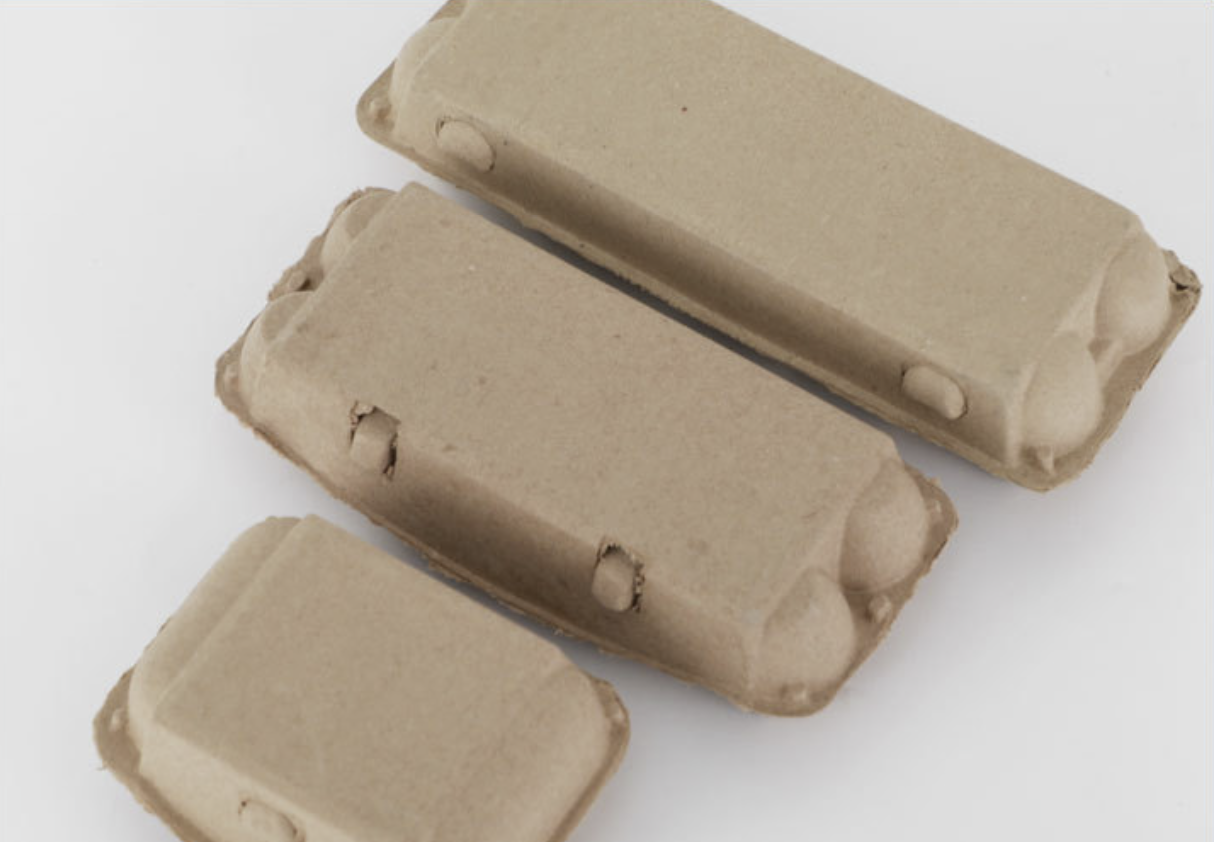
The environmental promise of paper pulp packaging lies in its remarkable biodegrad Unlike conventional plastic cartons that persist for centuries, these trays are designed to reintegrate with the ecosystem harmlessly. Advanced manufacturing ensures that the product can be dissolved in water after use and safely poured down the drain without causing blockages. More impressively, when exposed to the natural elements outdoors, a typical paper pulp tray will naturally decompose within just 3 to 5 days of rainfall, leaving no persistent waste or toxic residues behind. This "cradle-to-cradle" lifecycle stands in stark contrast to the "cradle-to-grave" trajectory of plastic packaging, which litters landfills and oceans.
The core innovation is the material itself. Made primarily from recycled paper or sustainable plant fibers, these trays are both a product and a promoter of the circular economy. Their production often gives a second waste paper, reducing the demand for virgin wood pulp and the associated environmental footprint. After serving their primary purpose of protecting fragile eggs, they are designed for a graceful exit. Disposed of in a composting bin, they break down into organic matter that can enrich soil, completing the loop. This practical realization of the "used by nature, returned to nature" philosophy makes them a superior choice compared to bioplastics that often require specific industrial composting facilities to degrade.
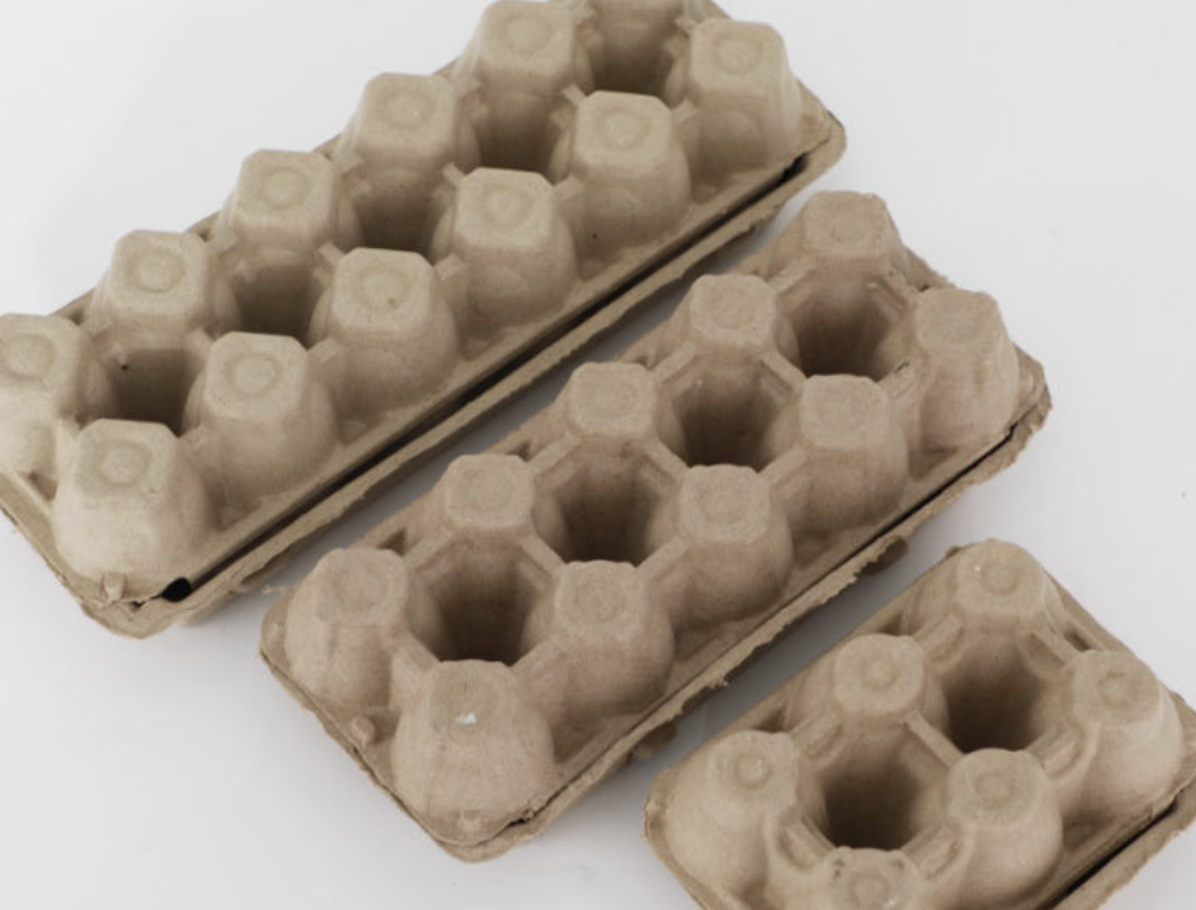
For businesses, particularly in the food and agriculture sectors, adopting paper pulp egg trays is a powerful statement of environmental responsibility. It directly addresses the growing consumer demand for sustainable packaging and demonstrates a commitment to reducing plastic waste. This alignment with eco-conscious values can significantly enhance brand image and appeal to a rapidly expanding green market.
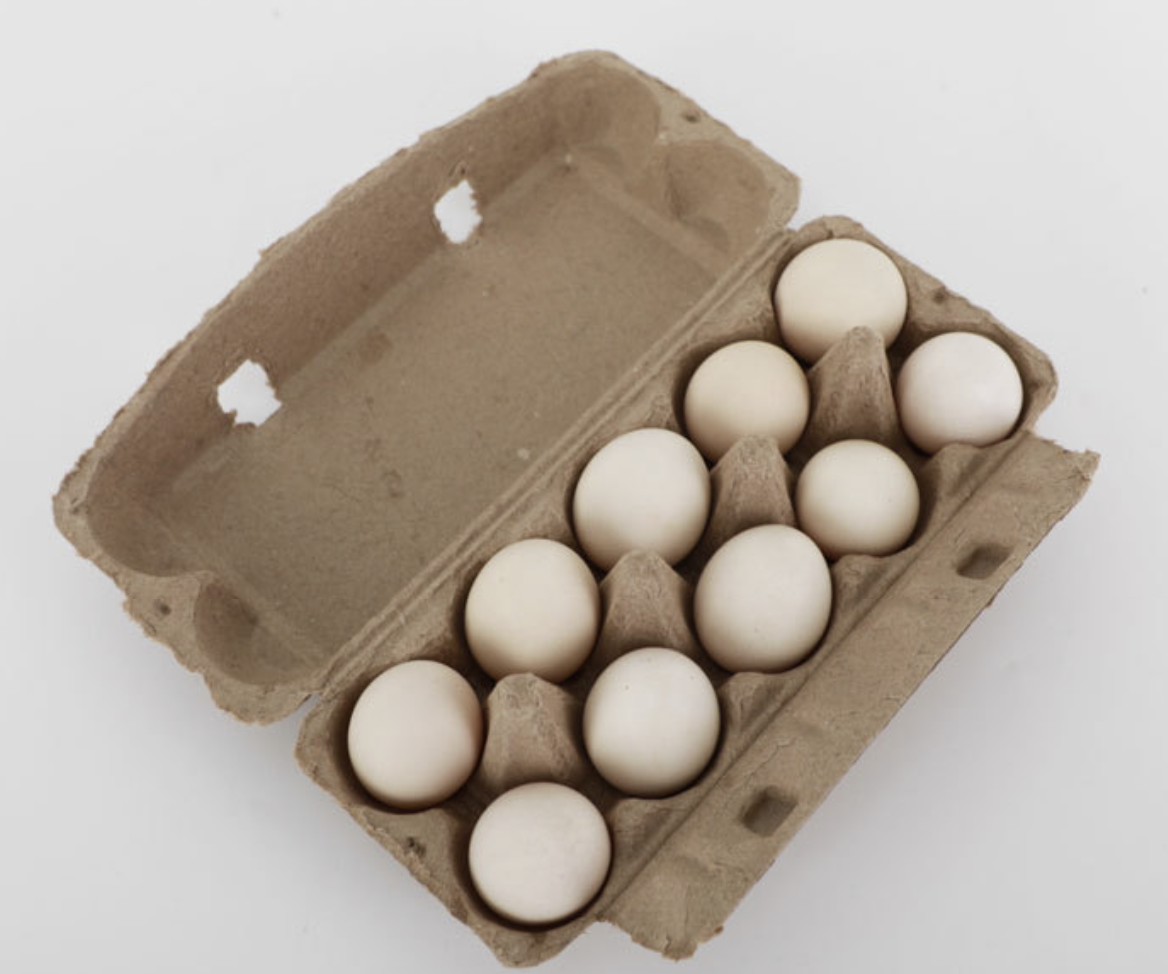
In conclusion, the paper pulp egg tray is far more than just packaging; it is a testament to practical, intelligent design that respects planetary boundaries. By choosing these truly biodegradable options, we make a conscious decision to break free from the linear "take-make-dispose" model. It is a simple switch with a profound impact, ensuring that the packaging that protects our food does not come at the cost of polluting our planet. The journey towards a sustainable future is built on such innovations, where every product is designed with its return to nature in mind.
Related product and article resources
For procurement comparison and technical evaluation, readers can continue with these related product pages and supporting articles.