












The Rapid Growth of Beverage Cup Holders Driven by Global Tea and Coffee Trends
Introduction
The global beverage industry, particularly the tea and coffee sector, is experiencing unprecedented growth, driving parallel expansion in associated packaging markets. One of the most significant yet often overlooked segments is the humble cup holder—an essential accessory for transporting multiple drinks safely. As tea and coffee consumption continues to rise worldwide, especially with the explosive growth of specialty tea drinks and coffee shop cultures, the demand for disposable cup holders has created a substantial market of its own. This article examines the growth trajectory of this essential packaging segment, exploring key markets, driving factors, and future trends shaping the industry.
1. Market Size and Growth Projections
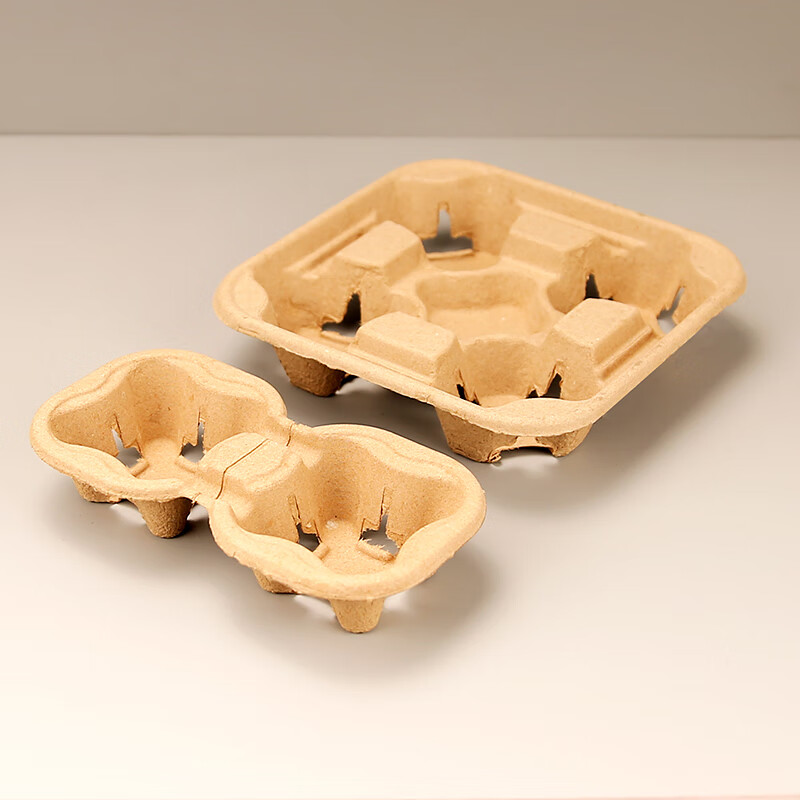
The global disposable takeaway cup holder market has demonstrated robust growth, with its size reaching approximately 1,429 million by 2031, representing a compound annual growth rate (CAGR) of 5.8% during the forecast period
. This growth is particularly pronounced in specific regions and segments, with the Chinese market showing exceptional dynamism. In China, the new tea drink cup market is expanding at an impressive rate, with cup holders maintaining a parallel growth rate of 15%-20% annually . By 2025, China's new tea drink market is projected to exceed ¥200 billion, further accelerating demand for associated packaging including cup holders .

The sheer volume of cup holders consumed annually underscores this growth. In 2024, global sales of disposable takeaway cup holders reached 3.5 billion units, with the average price per thousand holders standing at approximately $275. This substantial volume reflects the essential role these products play in the rapidly expanding takeaway beverage industry.
2. Key Growth Drivers
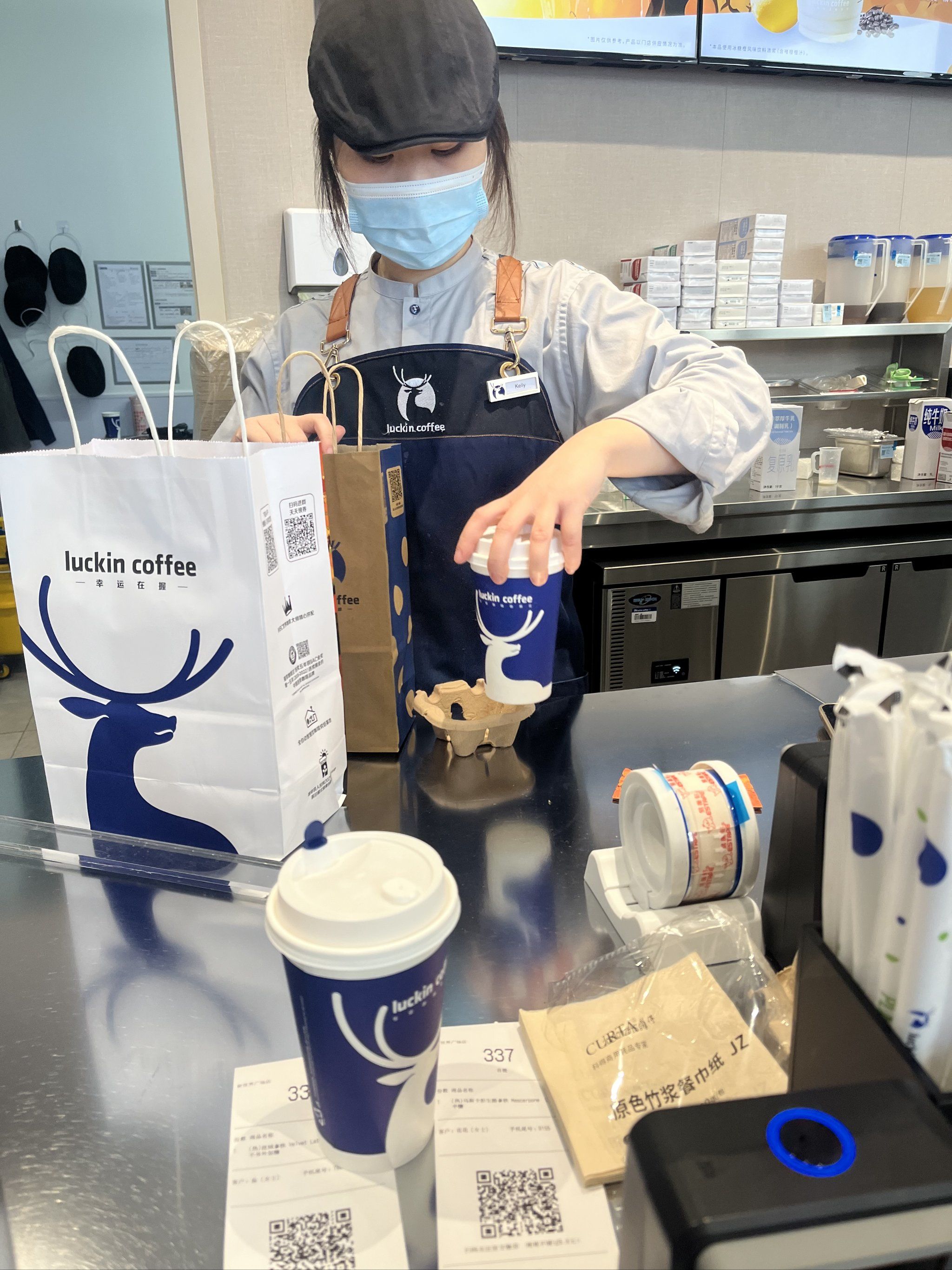
Several interconnected factors are propelling the growth of the cup holder market, with the expansion of tea and coffee chains representing perhaps the most significant driver. Major brands are experiencing remarkable store expansion rates that directly translate to increased cup holder consumption. Luckin Coffee, for instance, operated 22,340 stores globally by 2024, representing a 37.5% year-over-year increase. The company alone used approximately 1.5 billion paper pulp molded cup holders in 2024, averaging about 180 holders per store daily .
The rise of specialty tea drinks represents another crucial growth driver. The global bubble tea market has created substantial demand for specialized packaging solutions, with the North American bubble tea cup market valued at 10.2 billion by 2033, growing at a CAGR of 9.8%. This growth directly correlates with increased cup holder usage, as these beverages are frequently purchased in multiples and require secure transportation.
Additionally, the rapid expansion of food delivery services has significantly contributed to market growth. China's外卖new tea drink market has been growing at approximately 25% annually, creating substantial demand for packaging that ensures beverage integrity during transport. This trend has been further accelerated by changing consumption patterns, particularly among younger consumers who prioritize convenience and experience .
3. Regional Market Analysis
The growth of cup holder markets displays distinct regional characteristics, with Asia-Pacific emerging as the dominant force. This region, particularly China, has become the epicenter of tea drink innovation and consumption, driving substantial packaging demand. By 2024, China's new tea drink cup market reached approximately ¥15 billion, with cup holders maintaining proportional growth. Major metropolitan areas and economic zones like the Yangtze River Delta and Pearl River Delta account for over 60% of domestic demand, though markets are increasingly expanding to lower-tier cities .
North America represents another significant market, characterized by particularly strong growth in the bubble tea segment. The region's market has been transformed by shifting consumer preferences toward specialty tea drinks and sustainable packaging solutions. The United States holds the largest share within the region, driven by an established bubble tea culture and increasing focus on sustainability initiatives .
Globally, emerging markets including India and Southeast Asia are showing leading growth rates, while European markets continue to expand at a steady pace. The international expansion of Chinese tea drink brands has been instrumental in driving cup holder demand in these regions, creating new opportunities for packaging suppliers.
4. Sustainability and Material Innovation
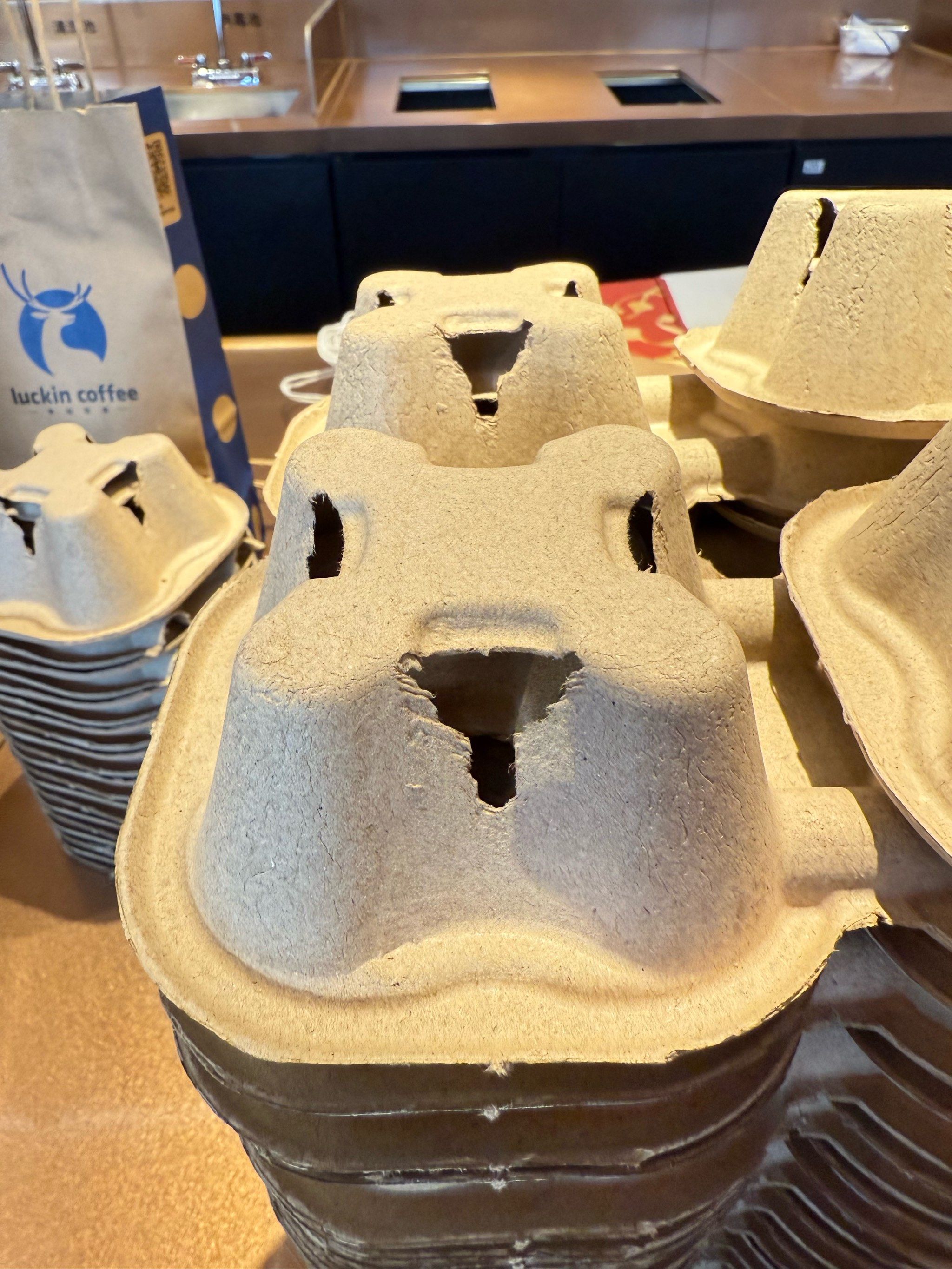
Environmental considerations have become increasingly central to the cup holder market's evolution. Growing regulatory pressure and consumer awareness have accelerated the shift toward eco-friendly materials, with major brands leading this transition. Starbucks and Luckin Coffee have initiated comprehensive replacements of plastic packaging, driving substantial growth in paper pulp molded cup holders.
This sustainability focus has catalyzed significant innovation in materials and manufacturing processes. The global paper pulp molding industry (including coffee cup holders) is projected to reach ¥163.08 billion by 2025, with a CAGR exceeding 18%
. Within this segment, cup holders represent an important component, with China's market expected to reach approximately ¥1.73-2.59 billion in 2025 and potentially exceed ¥5 billion by 2030 .
The industry faces the ongoing challenge of balancing sustainability with performance requirements. Consumers expect cup holders to be leak-proof and durable, which can be challenging to achieve with biodegradable materials. Nevertheless, continuous improvements in water resistance and structural integrity are making eco-friendly options increasingly viable for a wider range of applications.
5. Future Trends and Market Evolution
Looking ahead, several key trends are likely to shape the future development of the cup holder market. The trend toward customization and branding integration is becoming increasingly important as companies recognize the marketing value of packaging. Cup holders have evolved from purely functional items to brand communication tools, with customized coloring and designs becoming standard requirements. This trend reflects broader industry movements toward enhancing consumer experience through all touchpoints.
The continued expansion of beverage chains globally will further drive market growth. Mixue Bingcheng, the global store leader, has exceeded 53,000 stores worldwide after adding 6,535 stores in just six months. Similarly, Luckin Coffee and Cotti Coffee together added 5,866 new stores, accounting for 65% of industry growth . This rapid expansion creates substantial ongoing demand for cup holders and related packaging.
Product innovation will also shape the market's future, with manufacturers developing holders for various cup configurations—including single-cup, two-cup, four-cup, and six-cup designs—to meet diverse consumer needs. This diversification allows for greater optimization of packaging for specific usage scenarios, from individual purchases to large group orders.
Conclusion
The humble beverage cup holder has evolved into a multi-billion-dollar global market, propelled by the explosive growth of tea and coffee culture worldwide. With strong growth projections and increasing emphasis on sustainability and customization, this essential packaging segment will continue to play a crucial role in the global beverage ecosystem. As consumer preferences evolve and environmental considerations become increasingly paramount, innovation in materials and design will likely drive the next phase of market development, creating new opportunities for manufacturers and brands alike.