












Multi-Layer Composite Pulp Trays
The Architecture of Advanced Cushioning and Structural Integrity
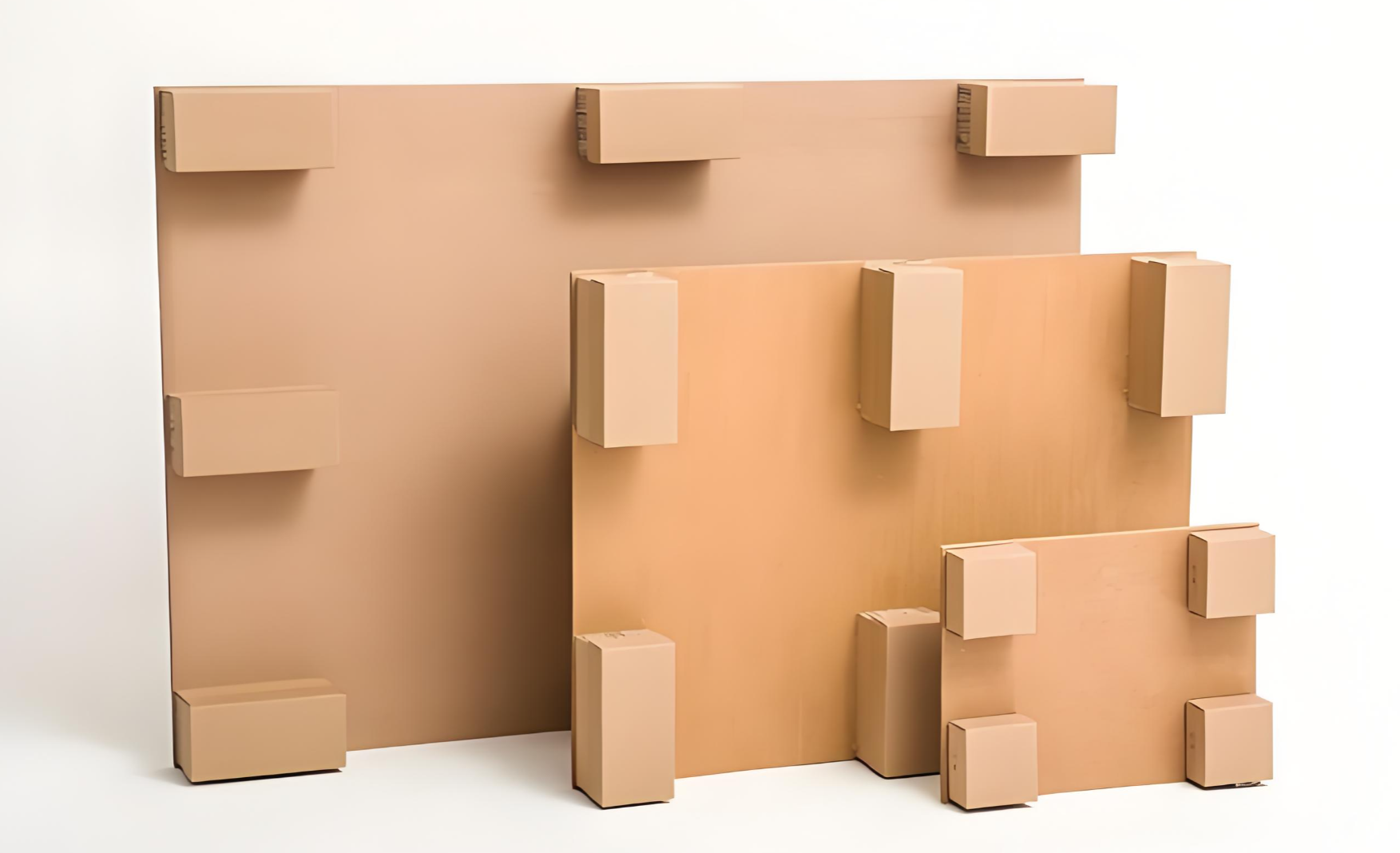
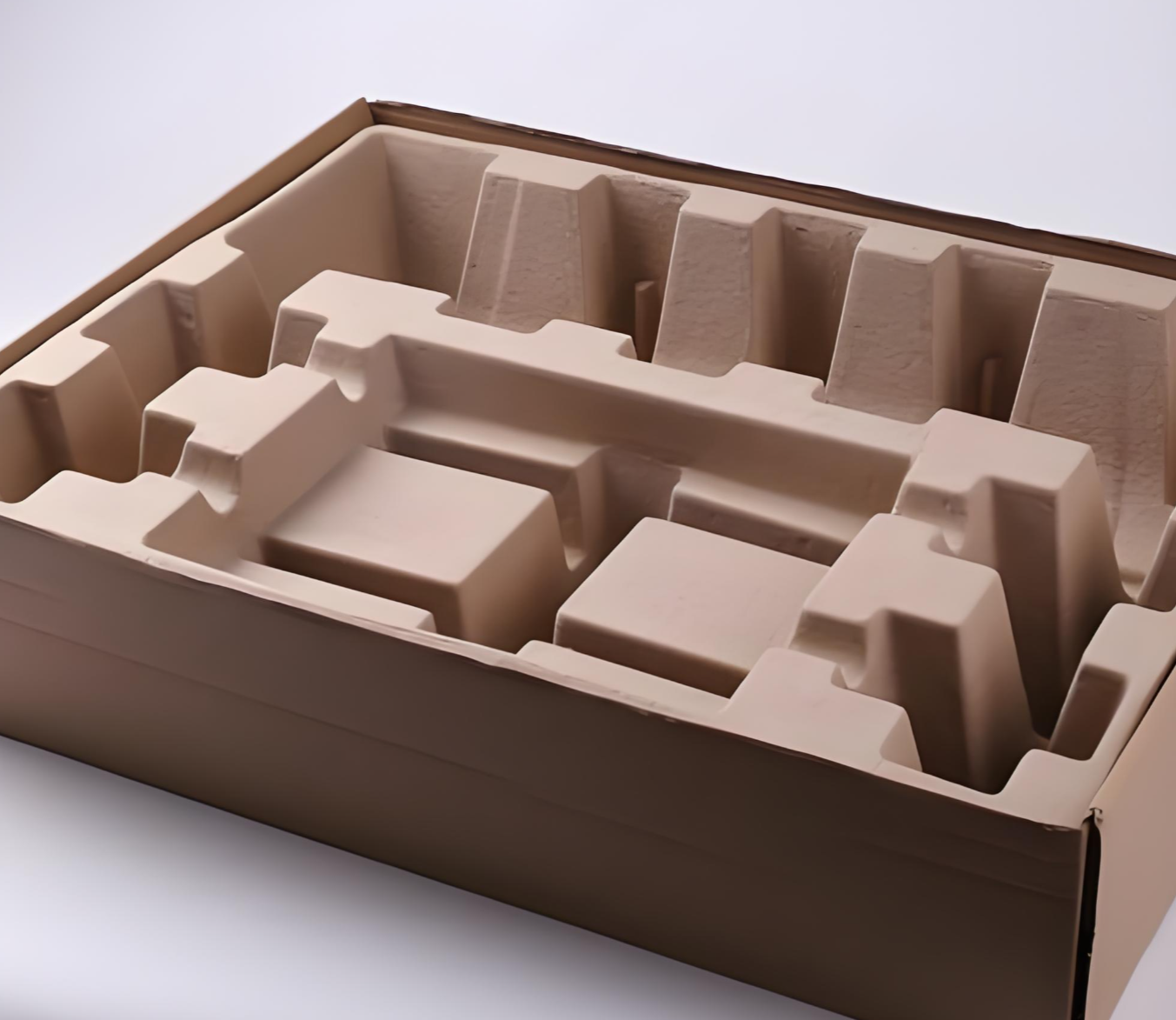
Multi-layer composite pulp trays represent the pinnacle of engineered packaging, where distinct layers of molded pulp are strategically combined to create a structure far superior to single-layer alternatives. Hanyang leverages its expertise in both wet-press and dry-press technologies to construct trays with a tailored layer configuration. A typical design may incorporate a dense, rigid outer layer for structural integrity and stackability, combined with a softer, more elastic inner layer that acts as a high-performance shock absorber. This sophisticated architecture allows for precise management of impact forces—the firm outer shell distributes broad pressure, while the compliant inner layer dissipates energy and cushions the product. For heavy or sharp-edged industrial components, additional internal ribbing or reinforced zones can be integrated between layers to prevent deformation under extreme stress. This multi-layered approach ensures that even the most sensitive and high-value items, from precision instruments to automotive electronics, are protected against the complex hazards of logistics, including drops, vibrations, and compression.
Tailored Functional Properties for Specific Industry Needs
Beyond basic protection, the composite design enables the integration of specialized functional properties to meet stringent industry-specific requirements. Hanyang can engineer each layer with different material compositions or additives. For the electronics industry, a layer containing anti-static agents can be incorporated to prevent electrostatic discharge (ESD) that could damage sensitive circuitry. In packaging for medical devices or fresh produce, layers with enhanced breathability or moisture-wicking properties can be designed to control the internal atmosphere and prevent condensation. Furthermore, the surface layer can be finely calibrated for a smooth finish that prevents abrasion on delicate surfaces, or left with a natural texture for increased friction to prevent product shifting. This ability to functionally grade the tray—hard where needed for structure, soft for cushioning, and specialized for environmental control—demonstrates a move beyond one-dimensional packaging towards intelligent, multi-functional solutions that actively preserve product quality and comply with critical industry standards.
Enhancing Sustainability without Compromising Performance
A significant advantage of Hanyang's multi-layer composite trays is their ability to deliver high-performance protection while steadfastly adhering to sustainability principles. Contrary to the assumption that complex packaging must be environmentally burdensome, these trays are constructed entirely from renewable and recycled cellulose fibers. The multi-layer approach can actually contribute to material efficiency; by strategically placing material only where specific performance is needed, overall weight can be optimized without sacrificing protection, reducing material usage compared to a uniformly thick single-layer tray. At the end of its life, the entire composite structure remains fully biodegradable and compostable, returning to the earth without leaving behind microplastics or toxic residues. This positions Hanyang's solution as the responsible choice for brands facing pressure to reduce their environmental impact while simultaneously needing to guarantee the safe transit of premium products, effectively balancing ecological responsibility with uncompromising performance.
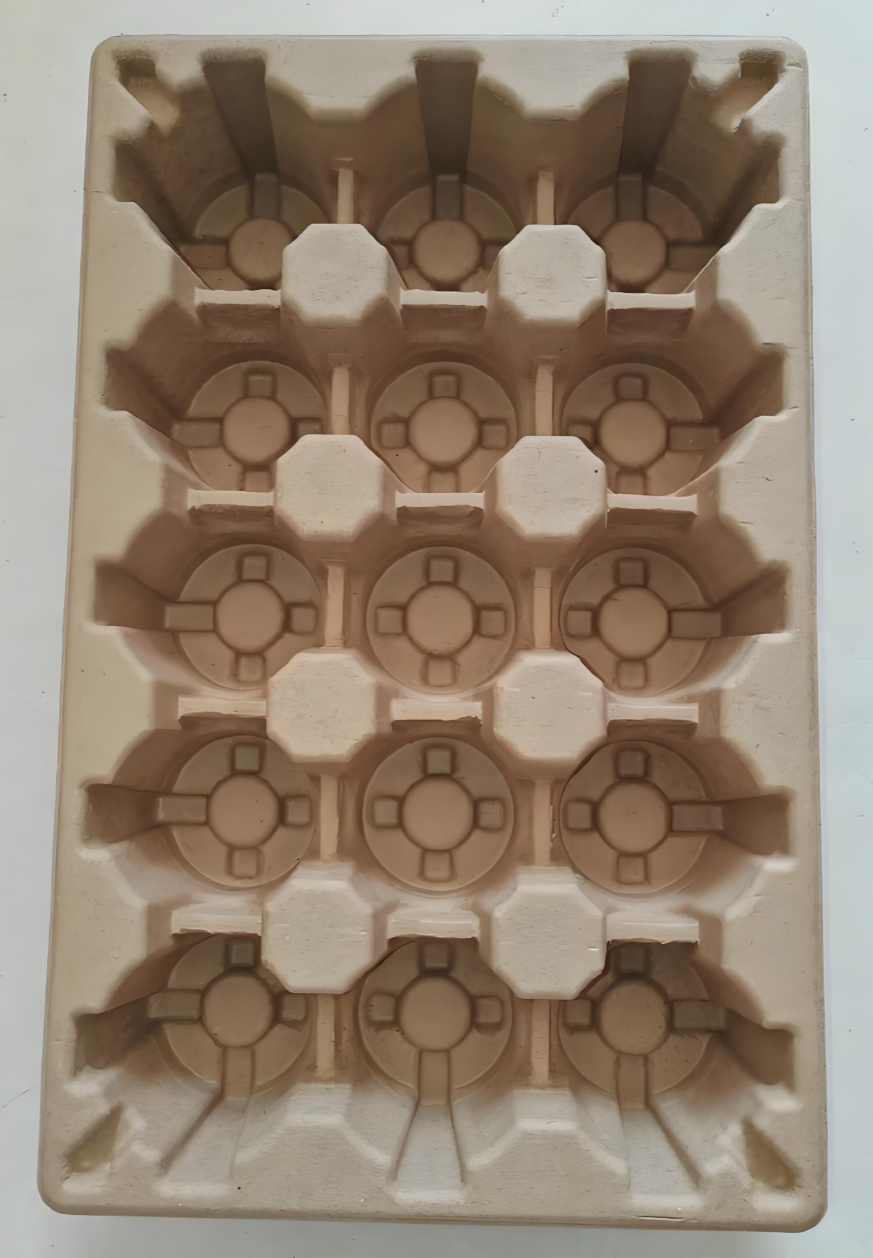
In conclusion, multi-layer composite pulp trays from Hanyang represent a sophisticated evolution in protective packaging. They are not merely containers but engineered systems that offer unparalleled, customizable protection for high-value goods through their advanced layered architecture. By combining structural strength with tailored functionality and maintaining a strong commitment to biodegradability, these trays provide a future-proof solution that meets the dual demands of maximum product security and minimum environmental impact, setting a new standard for intelligent, sustainable logistics.