












Standardized Tray Systems from Farm to Supermarket
Enhancing Efficiency and Reducing Damage with Uniform Design
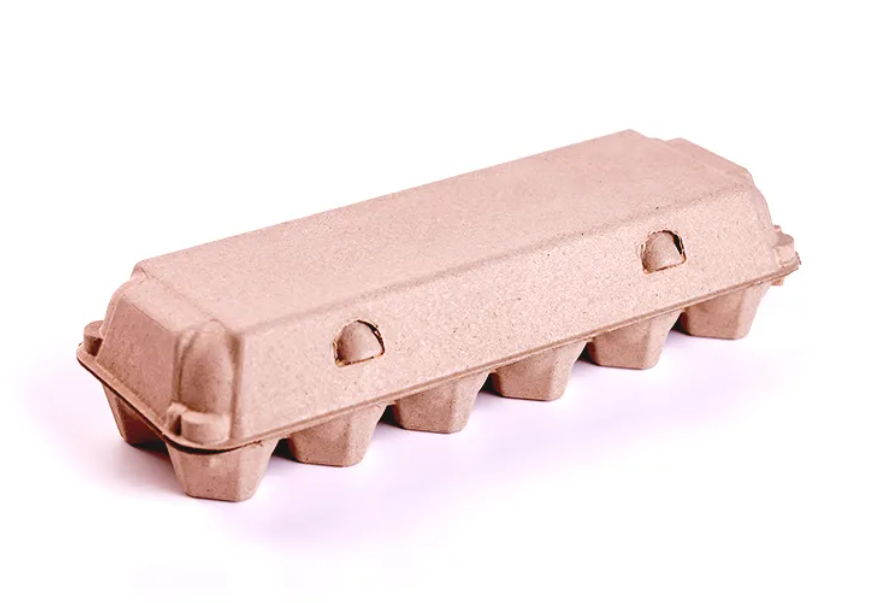
The implementation of standardized pulp tray systems, such as those expertly manufactured by Hanyang, revolutionizes agricultural supply chains by introducing unparalleled efficiency and reliability. For perishable goods like eggs, consistency is paramount. Hanyang's trays are produced to precise dimensional tolerances, ensuring that every tray uniformly accommodates a specific number of eggs—be it 6, 12, or 30—and seamlessly interlocks with others during stacking. This standardization is crucial for automating processes at both the farm and distribution center levels. Automated grading, washing, and packing machines can operate with maximum throughput and minimal jamming when fed with trays of consistent size and shape. Furthermore, the robust, shock-absorbent nature of molded pulp provides a protective cradle for each egg, significantly reducing breakage rates during the inevitable jolts and vibrations of long-distance transportation. By replacing inconsistent or flimsy packaging with a strong, standardized solution, Hanyang's trays directly address the core challenges of fragility and handling inefficiency, ensuring a higher proportion of produce reaches the shelf in saleable condition.
Driving Sustainability and Cost-Effectiveness Across the Supply Chain
Beyond physical protection, the shift to a standardized pulp tray system delivers significant economic and environmental advantages. Hanyang's trays are crafted from 100% recycled paper fiber, creating a circular model that repurposes waste into valuable packaging. At the end of their life cycle, these trays are fully biodegradable and compostable, presenting a clear, eco-friendly disposal path compared to plastic alternatives that linger in landfills. The lightweight nature of pulp compared to other materials directly reduces fuel consumption and associated carbon emissions throughout the logistics network. From a cost perspective, standardization simplifies inventory management for producers and retailers, reducing the need for multiple packaging SKUs. The nestable design of empty trays dramatically cuts down on return shipping volume and storage space requirements, further lowering the overall operational costs. This combination of sustainable credentials and tangible cost savings makes adopting Hanyang's system a strategically sound decision for businesses aiming to future-proof their operations.
Ensuring Food Safety and Building Consumer Trust
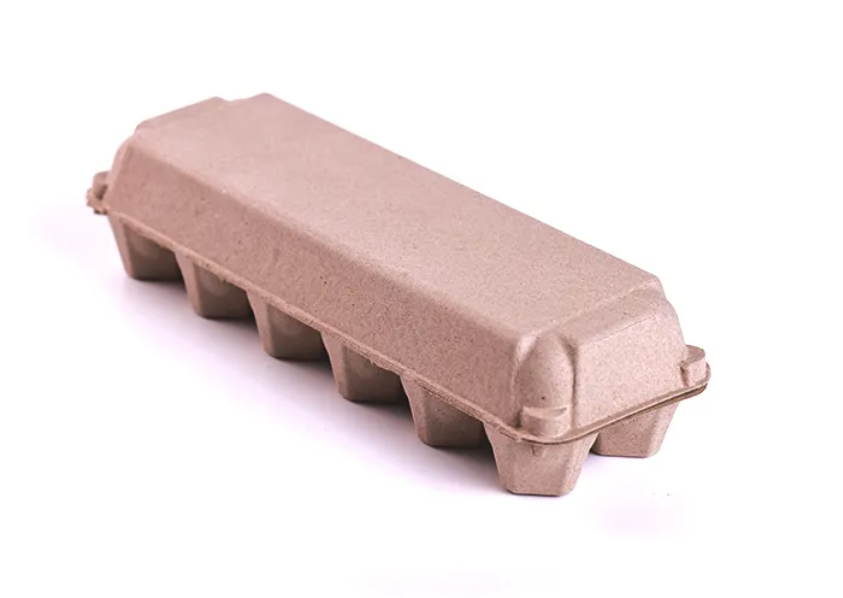
A standardized system underpins robust food safety protocols, which is critical for public health and brand reputation. Hanyang's food-grade pulp trays are produced under strict hygiene controls and can be designed for optimal ventilation, which helps to mitigate moisture buildup and inhibit bacterial growth. The use of standardized, cleanable trays within a controlled supply chain minimizes the risk of contamination compared to irregular or reused packaging of uncertain origin. For retailers and consumers, the consistent use of high-quality, eco-friendly packaging from a trusted supplier like Hanyang serves as a visible marker of quality and responsibility. It signals that the producer is committed to not only the quality of the product inside but also to the health of the planet. This transparency and commitment to safety and sustainability help build strong consumer trust, which can be a powerful differentiator in a competitive market, ultimately fostering brand loyalty.

In conclusion, the adoption of standardized tray systems from Hanyang represents a holistic upgrade for the modern agricultural supply chain. It is a powerful integration of efficiency, sustainability, and safety. By ensuring superior product protection, streamlining automated handling, reducing environmental impact, and reinforcing consumer confidence, these systems are not just packaging—they are a foundational element for building a more resilient, responsible, and profitable food distribution model from farm to supermarket.