












Exploring Hanyang's Use of Alternative Fibers for Specialized Pulp Trays
Beyond Recycled Paper: The Strategic Advantages of Bamboo and Bagasse Fibers
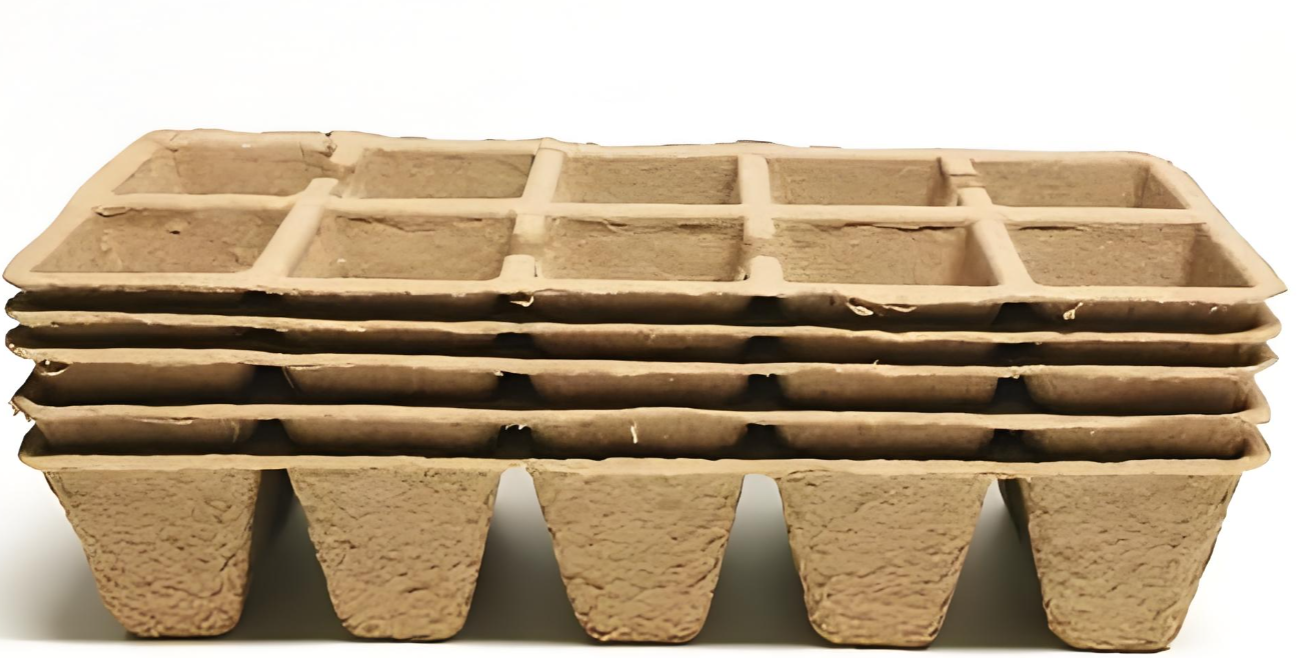
While recycled paper pulp forms the cornerstone of sustainable packaging, Hanyang's innovation extends to harnessing the unique properties of rapidly renewable alternative fibers like bamboo and bagasse (sugarcane residue). Bamboo fiber, sourced from one of the fastest-growing plants on Earth, offers exceptional natural strength and a long, flexible fiber structure. This translates into molded pulp trays with superior tensile strength and durability, making them ideal for heavier industrial parts or packaging requiring repeated handling. Bagasse fiber, a byproduct of sugar production, is valued for its natural abundance and excellent thermal insulation properties. Trays made from bagasse are inherently suitable for hot food containers or packaging temperature-sensitive goods. By integrating these alternative fibers, Hanyang not only diversifies its raw material base, reducing reliance on traditional paper waste streams, but also engineers trays with enhanced, innate functional characteristics that go beyond the capabilities of standard recycled pulp, offering tailored solutions for specific market needs.
Tailoring Functional Properties for Specific Market Applications
The strategic use of alternative fibers allows Hanyang to precisely engineer pulp trays for specialized applications. Bamboo's inherent rigidity and smooth finish make it an excellent choice for premium electronics packaging or luxury goods inserts, where a high-quality aesthetic and robust protection are paramount. Its natural antimicrobial properties also add value for medical or food-contact packaging where hygiene is critical. Conversely, bagasse's thick, porous fiber structure creates trays with outstanding cushioning and heat resistance, perfect for ready-to-eat meal delivery, takeaway coffee cup holders, and fresh produce trays that require moisture absorption and breathability. Hanyang's expertise in pulp molding enables the blending of these fibers with recycled paper or each other, creating composite materials that balance cost, performance, and sustainability. This ability to fine-tune material properties—such as strength, weight, thermal resistance, and surface texture—ensures that each tray is optimized for its intended use, from protecting delicate ceramics to insulating hot meals.
Enhancing Sustainability Credentials and Circular Economy Impact
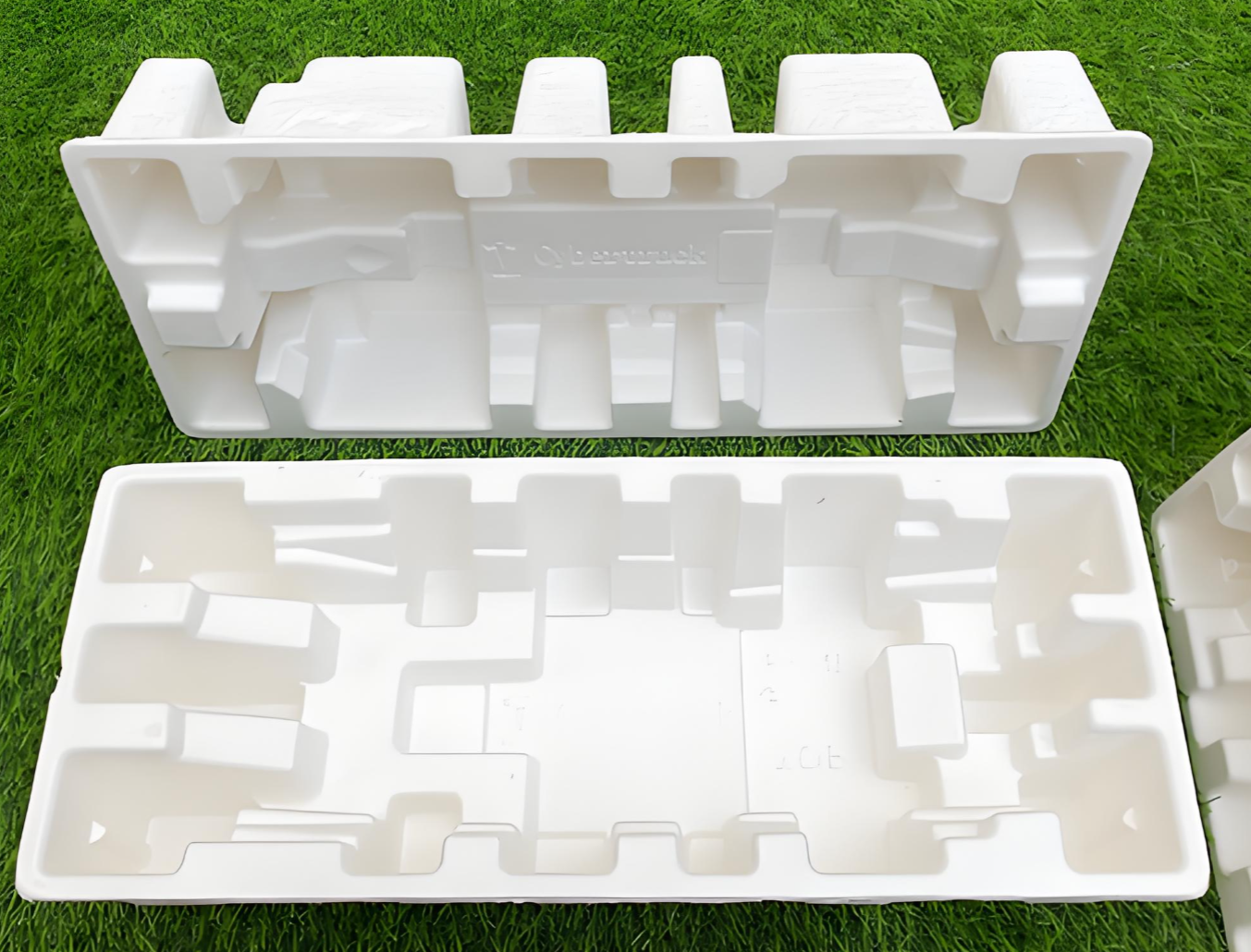
The adoption of bamboo and bagasse significantly amplifies the environmental benefits of Hanyang's pulp trays, aligning with the principles of a circular bio-economy. Both fibers are derived from agricultural waste or rapidly renewable non-wood sources, which alleviates pressure on forest resources and contributes to waste valorization. Using bagasse, a residue that would otherwise be burned or discarded, directly reduces agricultural waste and associated air pollution. Bamboo plantations require no fertilizers and regenerate quickly from their root systems, making it a highly sustainable crop. Trays made from these materials maintain the end-of-life advantages of traditional pulp packaging—they are fully biodegradable and compostable, completing a natural cycle. For brands, this means a significantly lower carbon footprint and a powerful story of environmental stewardship, from sourcing to disposal. Hanyang's commitment to exploring and integrating such alternative fibers demonstrates a forward-thinking approach to sustainability, offering clients packaging solutions that are not only functional but also deeply aligned with global environmental goals.
Related product and article resources
For procurement comparison and technical evaluation, readers can continue with these related product pages and supporting articles.
In conclusion, Hanyang's exploration of alternative fibers like bamboo and bagasse is a strategic evolution in sustainable packaging. It moves beyond a one-size-fits-all approach to offer specialized, high-performance trays with enhanced functional properties tailored to specific market needs. More importantly, it deepens the company's commitment to the circular economy by transforming agricultural waste into valuable, compostable packaging. This innovative use of materials positions Hanyang as a leader in providing truly customized, eco-conscious solutions that meet the dual demands of advanced functionality and profound environmental responsibility.