












For buyers sourcing molded pulp packaging, product shape is one of the biggest factors that determines whether a packaging solution will actually work in production and shipping. A flat electronic panel, a deep household appliance accessory, a heavy metal part, and a fragile glass item cannot be protected in the same way. Many packaging problems happen because buyers compare tray prices before comparing shape compatibility. In real procurement, the right comparison should focus on how well each packaging option matches the product’s geometry, support points, loading method, and transport risk. The best molded pulp solution is not simply the cheapest or the cleanest-looking tray. It is the one that fits the product shape correctly, protects it during logistics, and remains efficient in mass packing.
Understand The Product Shape Before Comparing Packaging Structures
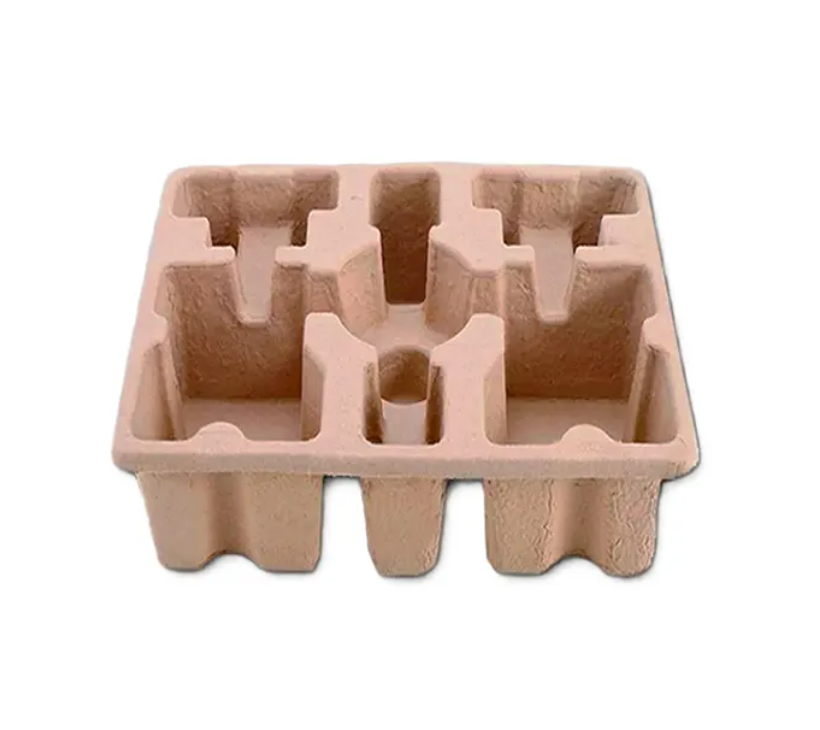
The first step is to classify the product shape correctly. Buyers should identify whether the product is flat, long, cylindrical, irregular, deep-drawn, fragile-edged, or weight-concentrated. Each shape creates different packaging priorities. Flat products often need anti-movement support and edge protection. Long or narrow items may require multiple support points to prevent bending or shifting. Cylindrical items usually need stable positioning and anti-rolling features. Irregular products often require custom cavities that match critical contours rather than the full outline.
This is why buyers should not compare molded pulp options using general tray dimensions alone. The same outer size can create very different protective results depending on cavity layout, rib design, sidewall depth, and bottom support. For a product with uneven weight distribution, a tray that only looks symmetrical may actually fail in transport. For a product with sensitive corners, a visually neat tray may still leave the weakest points exposed. A reliable comparison should therefore begin with the real protection logic of the product shape, not with the packaging appearance.
Match Structural Type To Product Geometry And Packing Method
Once the product shape is understood, buyers should compare the structural type of each molded pulp option. Some products work better with open trays, while others need top-and-bottom sets, end caps, side supports, or nested inserts. A flat consumer device may need a shallow tray with precise location points and top clearance control. A fragile glass component may require full perimeter support and impact-absorbing corners. A heavy industrial part may need thicker walls and reinforced load-bearing zones. A rounded product may benefit from semi-enclosed positioning features rather than flat-bottom cavities.
Packing method should also be considered at the same time. If products are inserted manually, the tray must balance protection and ease of loading. If they are packed on a semi-automatic line, dimensional consistency becomes more important. If the outer carton is tightly fitted, the molded pulp must work with the carton to prevent internal shifting. Buyers should compare not only the tray design itself but also how each design performs during packing, stacking, and unpacking. A good structure is one that protects the product without creating unnecessary complexity or slowing down operations.
Compare Total Performance, Not Just Unit Price Or Sample Appearance
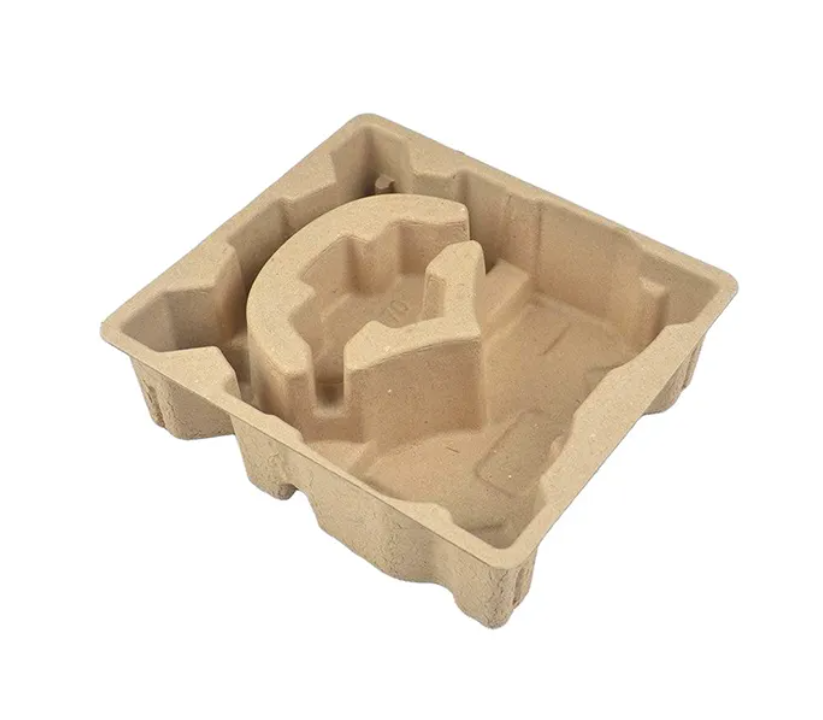
The final comparison should focus on total packaging performance. Buyers should ask which option offers the best balance between fit, shock protection, stacking efficiency, dimensional consistency, material usage, and freight cost. A lower-cost tray may seem attractive, but if it does not match the product shape correctly, it may create higher damage risk, slower packing speed, or more complaints later. A more refined structure may cost slightly more per piece but reduce the total cost of logistics and quality issues.
This is also where testing and supplier experience matter. Buyers should compare whether each supplier can explain why a structure suits a particular product shape, whether samples reflect real mass-production capability, and whether the design has been optimized for shipment rather than only for display. In practical procurement, the best molded pulp packaging option is usually the one that delivers the most reliable overall performance for the product shape, not the one that looks simplest on a quotation sheet.
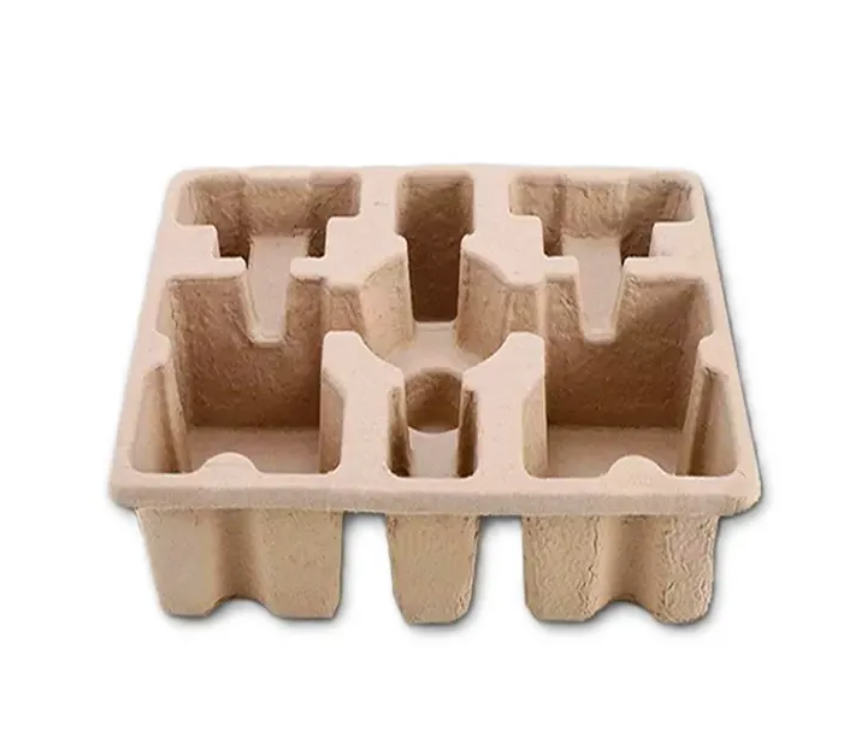
When comparing molded pulp packaging options for different product shapes, buyers should begin with product geometry, then compare structure type, and finally evaluate total performance instead of only price. The right packaging option is shape-matched, process-friendly, and transport-ready. That is the type of solution that reduces packaging risk and improves long-term procurement confidence.