












The Engineering Challenge: From Structural Analysis to Custom Geometry
Designing for large, heavy-duty components—such as automotive engine blocks, industrial machinery parts, or large appliance assemblies—presents a unique set of engineering challenges that go far beyond standard packaging. The primary goal is to manage immense static and dynamic loads during stacking, transit, and handling. The process begins with a comprehensive structural analysis of the component itself: its weight distribution, center of gravity, and fragile protrusions. Using this data, engineers employ CAD and finite element analysis (FEA) software to simulate stress points and design an insert that converts the pulp’s inherent compressive strength into a load-bearing exoskeleton. The design must feature strategic ribbing, reinforced walls, and multi-contact support structures that cradle the part securely at its strongest points, preventing any stress concentration that could lead to failure. The custom-fit geometry ensures the component is immobilized, eliminating any micro-movement that could cause abrasive damage during long-haul shipping. This phase transforms the packaging from a simple container into a precision-engineered, load-distributing system tailored to the exact physics of the part it protects.
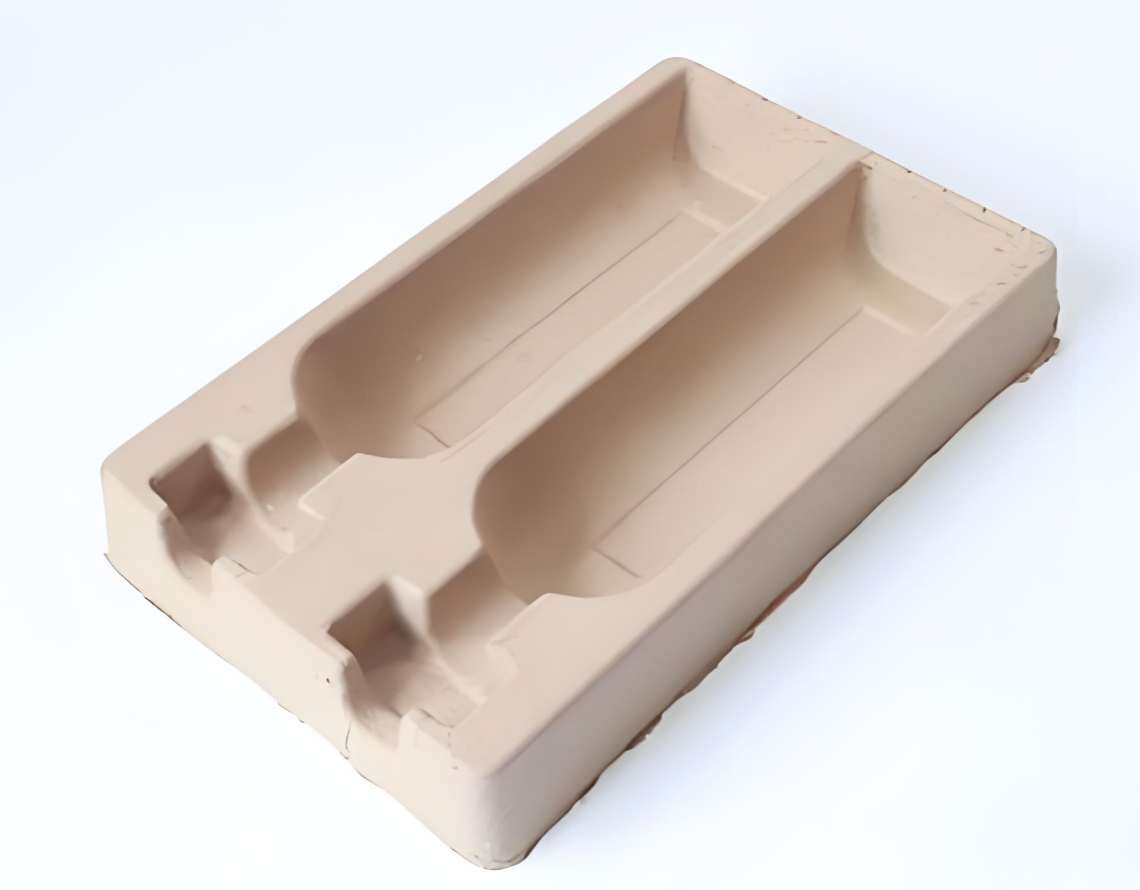
Material Science and Process Selection for Maximum Strength
Not all molded pulp is created equal, especially when the requirement is to support hundreds of kilograms. The material formulation and manufacturing process are critical. For heavy-duty applications, suppliers like Hanyang utilize high-density molded pulp formulations. This often involves blending specific long-fiber virgin or recycled pulps to achieve optimal tensile and compression strength. The choice of molding process is equally decisive. The wet-press molding technique is typically favored for these applications, as it produces parts with superior density, smooth surface finish, and exceptional dimensional stability compared to dry-press methods. The high-pressure compaction in wet-pressing creates a homogeneous, non-laminated structure that can withstand tremendous stacking pressure without delaminating or collapsing. Furthermore, the process allows for the integration of reinforcement elements, such as strategic placement of additional pulp layers or compatible strengthening fibers in high-stress zones. The resulting insert is a monolithic, robust structure that possesses the necessary structural integrity to protect not only the component inside from shock but also to ensure the entire palletized load remains stable and secure throughout the logistics chain, from factory floor to final assembly point.
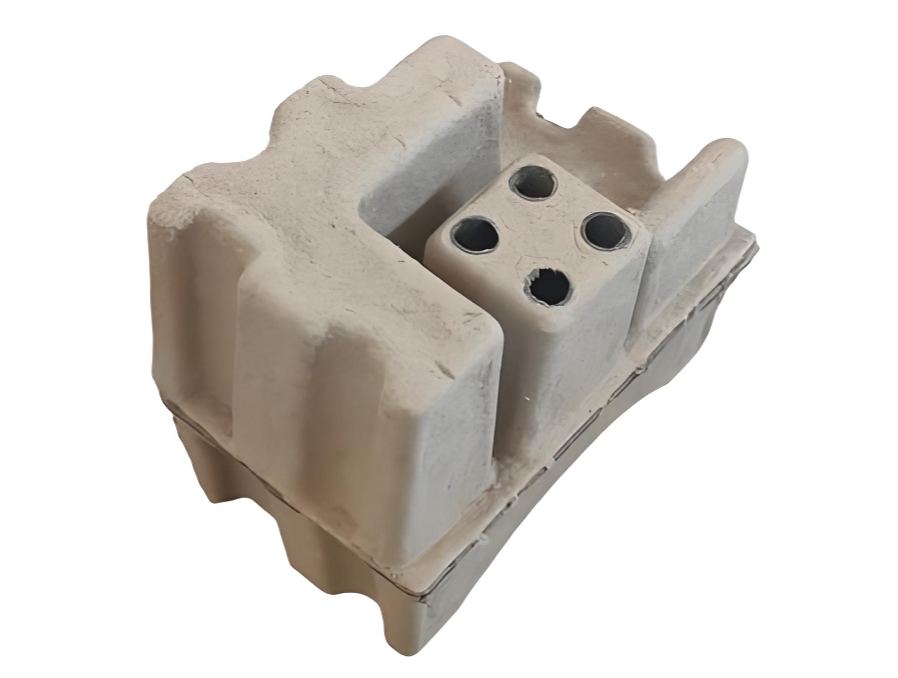
From Prototype to Pallet: Integrated Logistics and Testing
The final design must be validated in the real world. A robust development process moves from digital simulation to functional prototype testing. Full-scale prototypes undergo a battery of rigorous validation tests, including compression testing to determine maximum stacking load, vertical and horizontal vibration testing to simulate truck and sea transport, and corner drop tests to evaluate impact resistance at the unit's weakest points. This empirical testing phase is non-negotiable for ensuring the design meets the safety factor requirements for heavy components. Beyond the insert itself, successful integration into the global supply chain is paramount. The design must facilitate efficient manual or automated handling, with features like forklift pockets, ergonomic handholds, and stable stacking interfaces. Furthermore, the insert must be designed to work seamlessly within the export shipping environment, often interlocked within a heavy-duty corrugated or wooden crate. Suppliers with end-to-end capability, like Hanyang, manage this holistic view, ensuring the dedicated protective insert, the outer shipping container, and the secure blocking and bracing methods are all co-engineered. This creates a turnkey, damage-free logistics unit that guarantees the safe and cost-effective delivery of high-value capital equipment anywhere in the world.
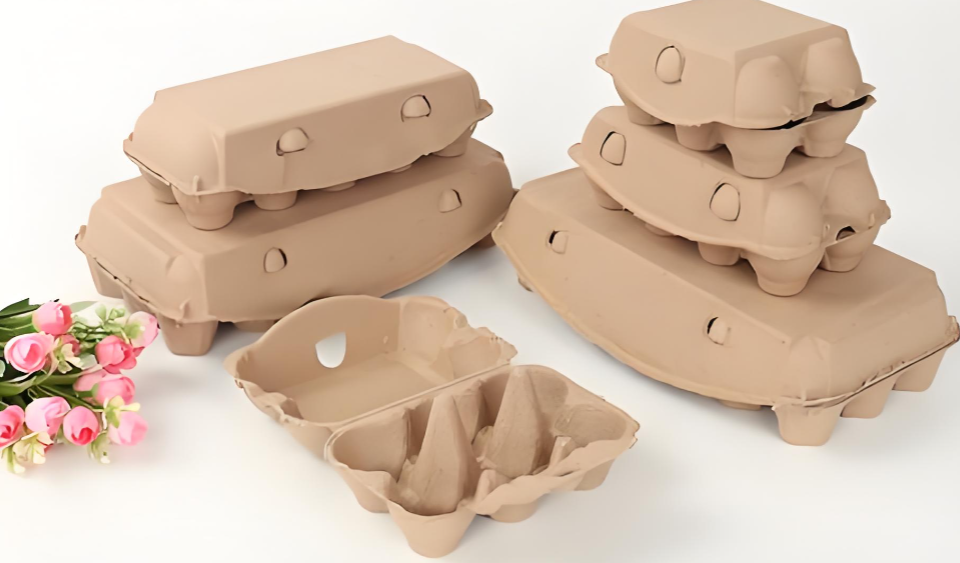
Related product and article resources
For procurement comparison and technical evaluation, readers can continue with these related product pages and supporting articles.
Designing dedicated molded pulp inserts for large, heavy-duty components is a specialized engineering discipline that blends structural mechanics, material science, and logistics intelligence. It moves far beyond simple cushioning, creating a customized, structural support system that is as integral to the component's safety as its own crate. This approach solves the critical pain points of damage, cost, and waste associated with traditional packaging like custom-cut foam or complex wooden structures. By partnering with a technically adept supplier capable of this level of co-engineering and validation, manufacturers of heavy equipment can achieve dramatically lower damage rates, optimized shipping costs through better cube utilization and weight reduction, and a stronger sustainability profile. In the end, the most reliable packaging for a massive component is not a box that contains it, but a precisely engineered system that becomes its temporary, protective counterpart.