












Introduction
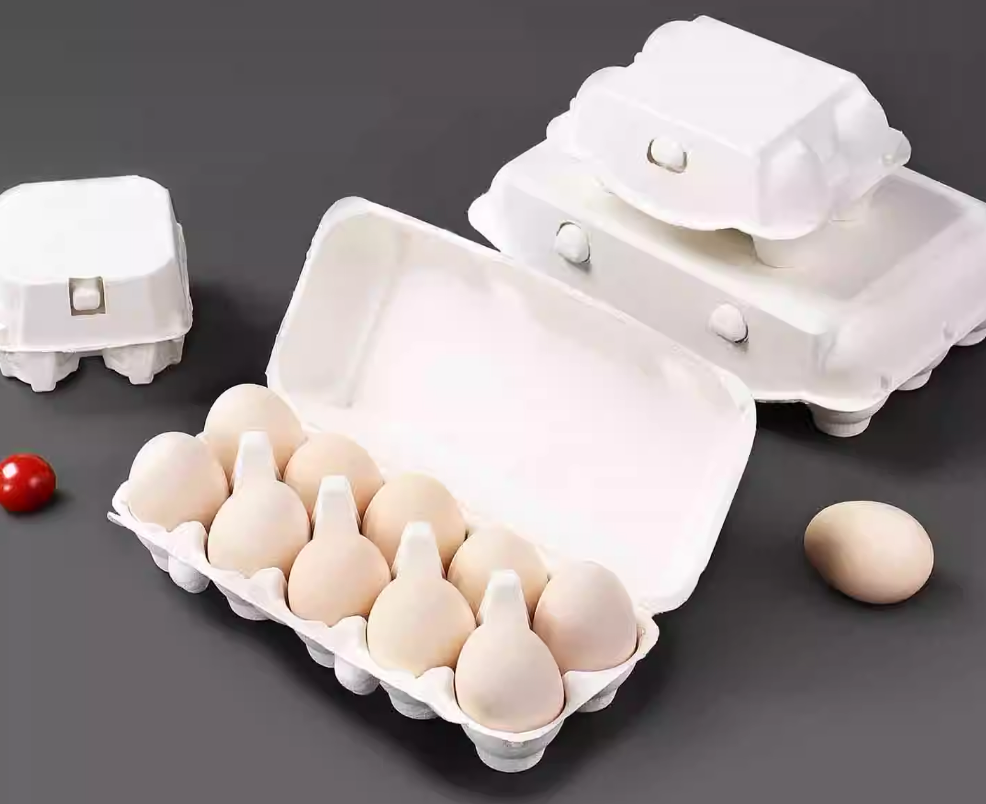
Pulp egg trays are essential for protecting eggs during storage and transportation. The quality of these trays directly impacts their ability to prevent breakage and maintain egg freshness. This article explores the technical factors determining egg tray quality and provides evidence-based solutions for manufacturers seeking to improve their products. Understanding these elements is crucial for producing trays that combine flexibility, hardness, and moisture resistance while meeting market expectations for functionality and appearance.
1 Critical Factors Influencing Egg Tray Quality
1.1 Raw Material Selection and Preparation
The foundation of quality egg trays lies in raw material selection. Waste paper serves as the primary material, with variations in quality significantly affecting the final product. While various waste papers can be used, including newspaper, cardboard, and book paper, higher-purity papers generally yield superior trays.
Distinguishing between virgin and recycled fibers is essential. Virgin fibers, typically derived from food packaging paper or high-whiteness paper, feature long, soft fibers that create more durable trays. Recycled papers often contain shorter, uneven fibers and may include impurities like plastic residues, compromising tray strength. Identification methods include examining whiteness, surface texture, and fiber length when torn.
1.2 Key Physical Properties
Flexibility and Hardness Balance: Quality trays must demonstrate sufficient flexibility to absorb impact while maintaining adequate hardness for stacking. This balance prevents egg damage during transportation and facilitates easy handling. Industrial standards suggest optimal trays should withstand dynamic loads without permanent deformation.
Moisture Resistance: Moisture resistance is critical in humid environments where trays can soften and weaken. The addition of waterproofing agents during pulping creates a protective barrier without compromising biodegradability. Research indicates proper waterproofing can reduce moisture absorption by up to 50% compared to untreated trays.
Surface Smoothness and Appearance: Smooth surfaces prevent egg abrasions and enhance visual appeal. Achieving this requires thorough pulp refining and proper molding techniques. Decorative elements like coloring can be added using safe pigments compatible with food contact standards.
2 Production Process and Technical Considerations
2.1 Manufacturing Techniques
The manufacturing process involves several stages: pulping, molding, drying, and finishing. In pulping, waste paper is broken down into fibers using a hydropulper, then screened to remove impurities. The refined pulp is diluted and suction-molded into trays using specialized equipment. Subsequent drying at 150-180°C reduces moisture content to approximately 25%.
Advanced manufacturing equipment like Japan's Robotmation EMT-5200 system can automatically measure tray parameters including weight and thickness, ensuring consistent quality with minimal human error. Such systems achieve measurement times under 17 seconds per tray with high precision.
2.2 Additives and Their Effects
Hardness Enhancers: While hardness agents can improve stackability, excessive use may reduce flexibility. Manufacturers should conduct tests to determine optimal ratios that maintain the tray's protective cushioning effect.
Waterproofing Agents: These chemicals help trays maintain structural integrity in humid conditions. Modern waterproofing adhesives are typically food-safe and environmentally friendly. Studies show they should be evenly distributed during pulping to ensure uniform protection without affecting biodegradability.
2.3 Quality Control Metrics
Several objective measurements ensure consistent quality:
Haugh Unit: Measures protein height and egg weight to calculate freshness protection capability. Grade AA trays should maintain Haugh values above 72.
Yolk Index: The ratio of yolk height to diameter, with fresh eggs typically measuring 0.38-0.44.
Air Cell Height: Should remain below 6mm for Grade A trays, indicating better freshness preservation.
3 Practical Solutions for Common Production Challenges
3.1 Cost-Effective Material Selection
For budget-conscious production, optimizing raw material costs is essential. While white cardboard enables vibrant colors, gray-white or mixed waste papers can reduce expenses by 20-30% for standard trays. Balance cost with quality requirements based on target market segments.
3.2 Enhancing Durability
To improve tray strength without increasing costs:
Ensure proper fiber bonding through adequate pulping time
Maintain consistent pulp density during molding
Implement controlled drying to prevent structural weaknesses
Production data indicates that optimizing these factors can reduce breakage rates by up to 15% during egg handling and transportation.
3.3 Environmental Considerations
Modern egg tray production emphasizes sustainability through water recycling and biodegradable material use. Many facilities employ closed-loop water systems where water used in dehydration and vacuum absorption is recycled back into the pulping process, minimizing wastewater discharge.
4 Future Trends and Innovations
The industry is moving toward increased automation and enhanced functional properties. Emerging developments include:
Smart trays with freshness indicators
Advanced moisture-resistant coatings from natural sources
Lightweight designs reducing material use while maintaining strength
These innovations align with global sustainability goals while meeting evolving market demands.
Conclusion
Producing high-quality pulp egg trays requires careful attention to raw materials, manufacturing processes, and functional additives. By understanding the technical aspects outlined above, manufacturers can create products that effectively protect eggs while meeting economic and environmental objectives. Continuous improvement in these areas will drive the industry toward higher standards of quality and sustainability.