












In the specialized field of egg tray production, the efficiency and quality of the final product are deeply rooted in the precise control of the initial manufacturing stages. Among these, the Pulp Mixing Station operation is arguably the most critical, serving as the fundamental step that determines the structural integrity and consistency of every tray produced. This article outlines the key responsibilities and best practices for personnel in this vital role, highlighting how their expertise directly impacts overall product quality.
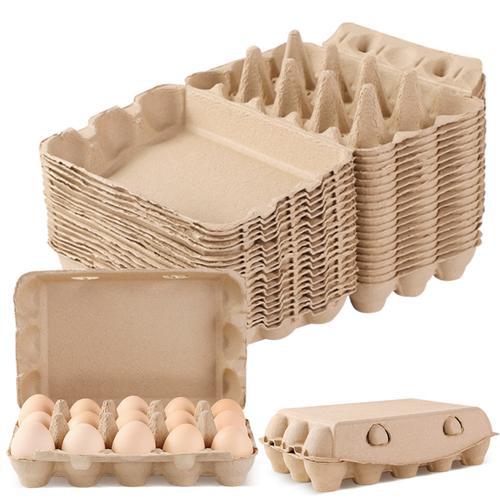
The primary duty of the pulp mixing operator is the meticulous preparation of the raw material slurry. This involves mastering the precise ratio of water to pulp fiber (often derived from recycled paper or stone powder, as mentioned in some processes) to achieve a specific and consistent viscosity, or concentration. The operator must be proficient in all batching proportions, ensuring that every batch of pulp meets the exact requirements for the subsequent molding process. This is not a routine task but one requiring constant vigilance and adjustment, as variations in raw material quality or ambient conditions can affect the mixture.
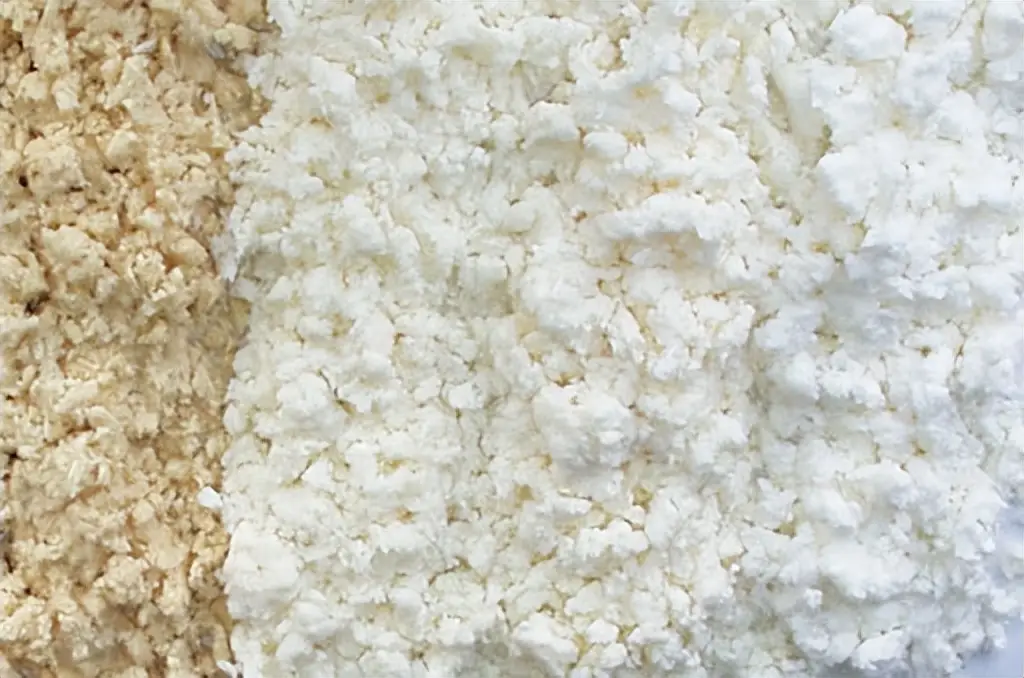
The significance of this role is most evident in its direct impact on key quality metrics. The operator is responsible for ensuring that the produced trays meet strict standards for weight and, crucially, flexibility. The right pulp consistency is essential for forming trays that are robust enough to protect eggs during transport yet possess the necessary flexibility to absorb impact. A failure in this initial stage inevitably leads to an increase in defective products, such as trays that are too brittle, too heavy, or misshapen. Therefore, the operator's skill is the first line of defense against quality non-conformities.
Furthermore, the responsibilities extend beyond the active production phase. To prevent defects in future production runs, a rigorous cleaning protocol is mandatory. After the machinery is shut down at the end of a shift, the operator must thoroughly clean the upper and lower molding dies. Residual pulp that hardens on the molds can cause critical defects in the next batch, such as holes in the trays or areas where the pulp fails to adhere properly—a phenomenon known as "poor slurry attachment." Neglecting this step compromises not only the next cycle's product quality but also leads to costly machine downtime for maintenance.
In conclusion, the Pulp Mixing Station is not merely an preparatory step but a pivotal control point that governs the entire production outcome. The operator, through a combination of precise batching, constant quality monitoring, and diligent equipment maintenance, holds direct responsibility for the plant's product qualification rate. Mastery of this role—combining technical skill, a responsible attitude, and a proactive approach to problem-solving—is essential for any egg tray manufacturing facility aiming for excellence and minimal waste. This position truly represents the cornerstone of efficient and high-quality egg tray production.
