












Why Major Brands Are Switching from EPS Foam to Molded Pulp
Meeting Consumer and Regulatory Demands
The shift from Expanded Polystyrene (EPS) foam to molded pulp is fundamentally driven by an urgent global sustainability imperative. Major brands face increasing pressure from environmentally conscious consumers and stringent government regulations targeting single-use plastics and non-biodegradable packaging. EPS foam, derived from fossil fuels, is notorious for persisting in landfills for centuries and contributing to microplastic pollution. In contrast, molded pulp from Suzhou Hanyang Paper Plastic Products Co., Ltd. is crafted from 100% recycled paper fiber, is fully biodegradable and compostable, and aligns with circular economy principles. This transition allows brands to significantly reduce their carbon footprint, meet ESG (Environmental, Social, and Governance) goals, and comply with evolving bans on plastic packaging, thereby future-proofing their operations and enhancing their brand image as responsible corporate citizens.
Performance and Economic Advantages Beyond Environmental Benefits
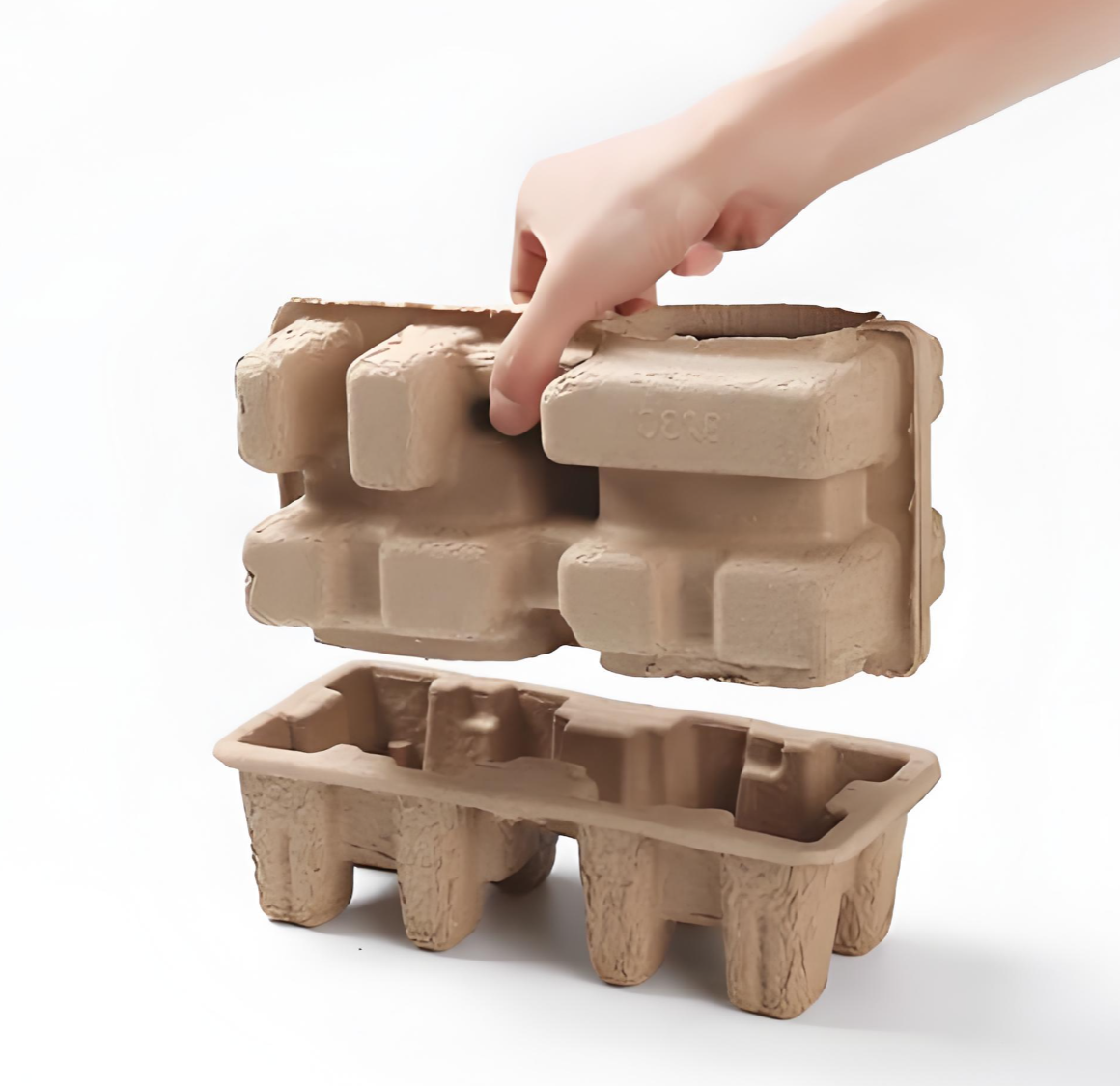
Beyond environmental credentials, molded pulp offers compelling functional and economic advantages that make it a superior alternative to EPS foam. Hanyang's molded pulp trays are engineered for excellent shock absorption and cushioning, providing comparable, if not superior, protection for fragile items like electronics, glassware, and eggs during transit. The material's inherent breathability is beneficial for packaging fresh produce. Furthermore, pulp packaging is often lighter in weight than equivalent EPS solutions, leading to tangible reductions in shipping costs—a critical factor in logistics. Economies of scale and advancements in automated production, such as Hanyang's 99 automated lines enabling a 3-day turnaround, have made high-quality molded pulp cost-competitive. The ability to easily customize designs and incorporate brand logos directly onto the pulp surface through printing adds significant marketing value, offering a premium unboxing experience that EPS foam cannot match.
Strategic Supply Chain Resilience and Brand Enhancement
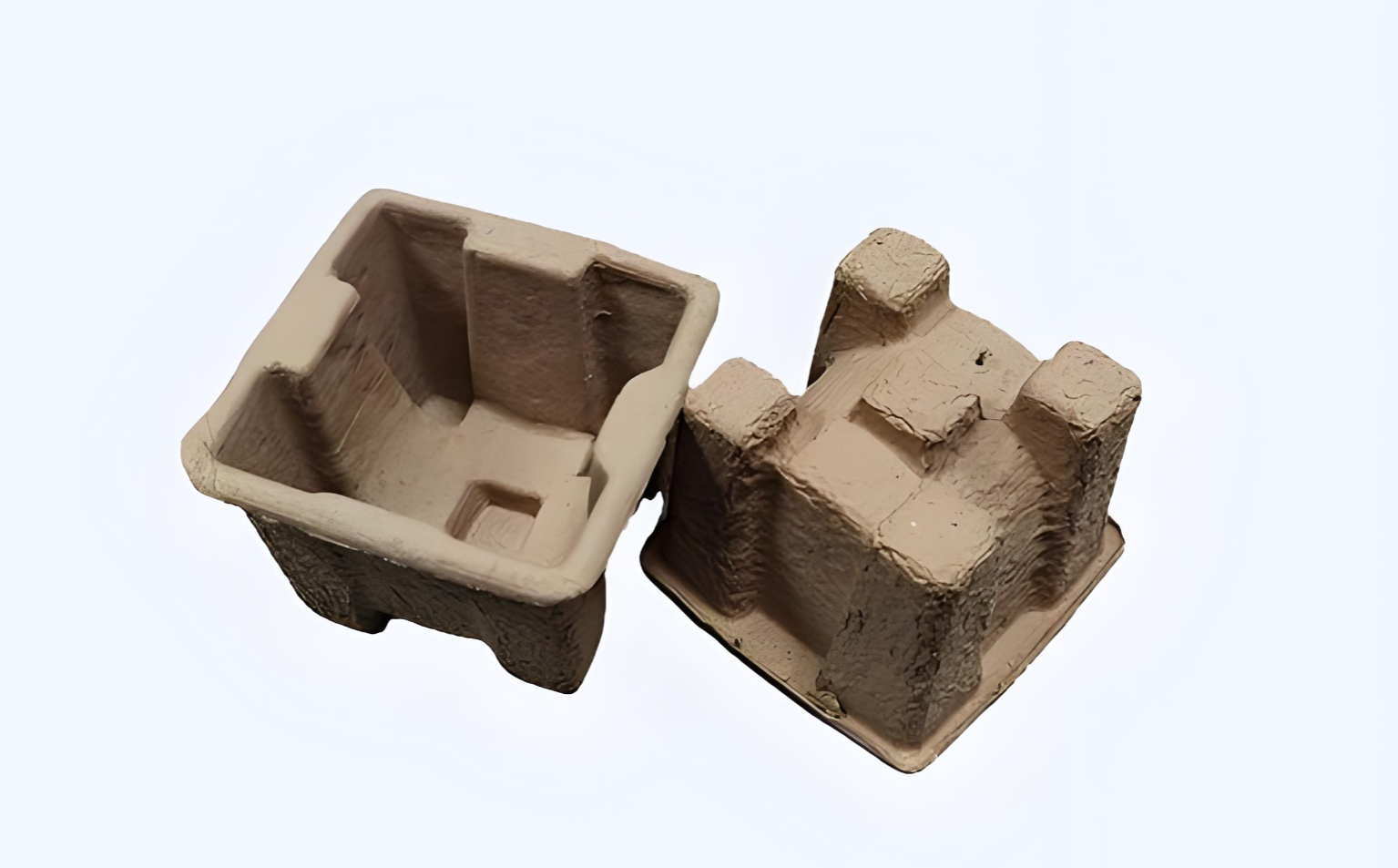
Adopting molded pulp is a strategic decision that enhances supply chain resilience and solidifies a brand's market position. EPS foam supply can be volatile, tied to petrochemical markets, whereas the raw materials for molded pulp—recycled paper—are widely available and support localized sourcing, reducing dependency on volatile commodity markets. Partners like Hanyang provide robust supply chain support with extensive mold libraries and agile manufacturing capabilities. Using molded pulp allows brands to visibly demonstrate their commitment to sustainability, a powerful differentiator in crowded markets. Case studies, such as Hanyang's partnerships with major milk tea chains (HEYTEA, Mixue) and a U.S. agri-farm, showcase how the switch improves operational efficiency, reduces breakage rates, and resonates powerfully with consumers who prefer to support eco-conscious brands, ultimately driving loyalty and sales.
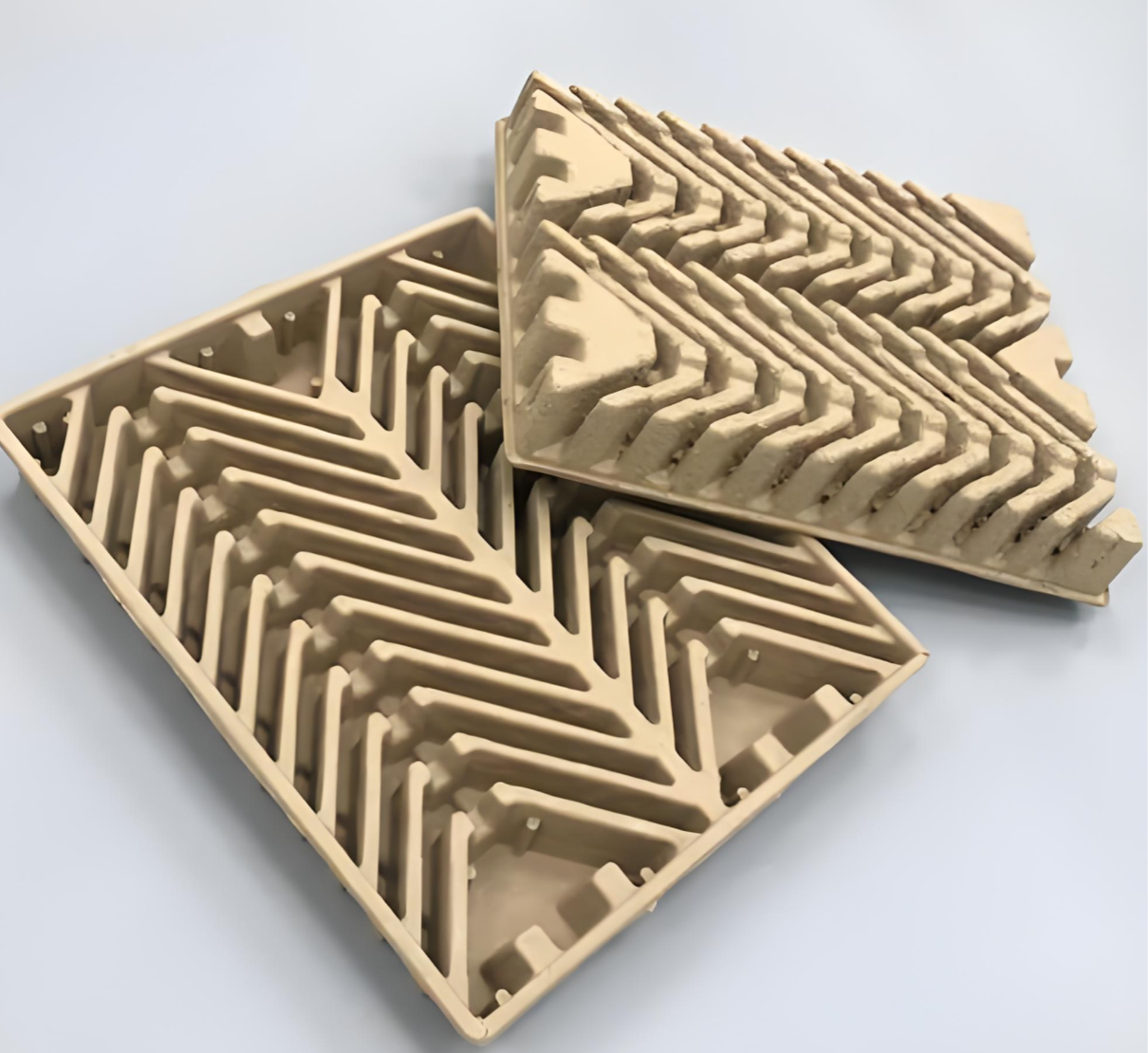
In conclusion, the transition from EPS foam to molded pulp is a multifaceted strategic move. It is no longer just an ethical choice but a smart business decision driven by sustainability demands, superior performance and economics, and the need for resilient, brand-enhancing supply chains. Suzhou Hanyang stands as a key enabler in this shift, providing the technological expertise and manufacturing scale to help major brands navigate this essential evolution in packaging.