












Comparison of Application Scenarios for Wet Pressing and Dry Pressing Processes
Process and Characteristics
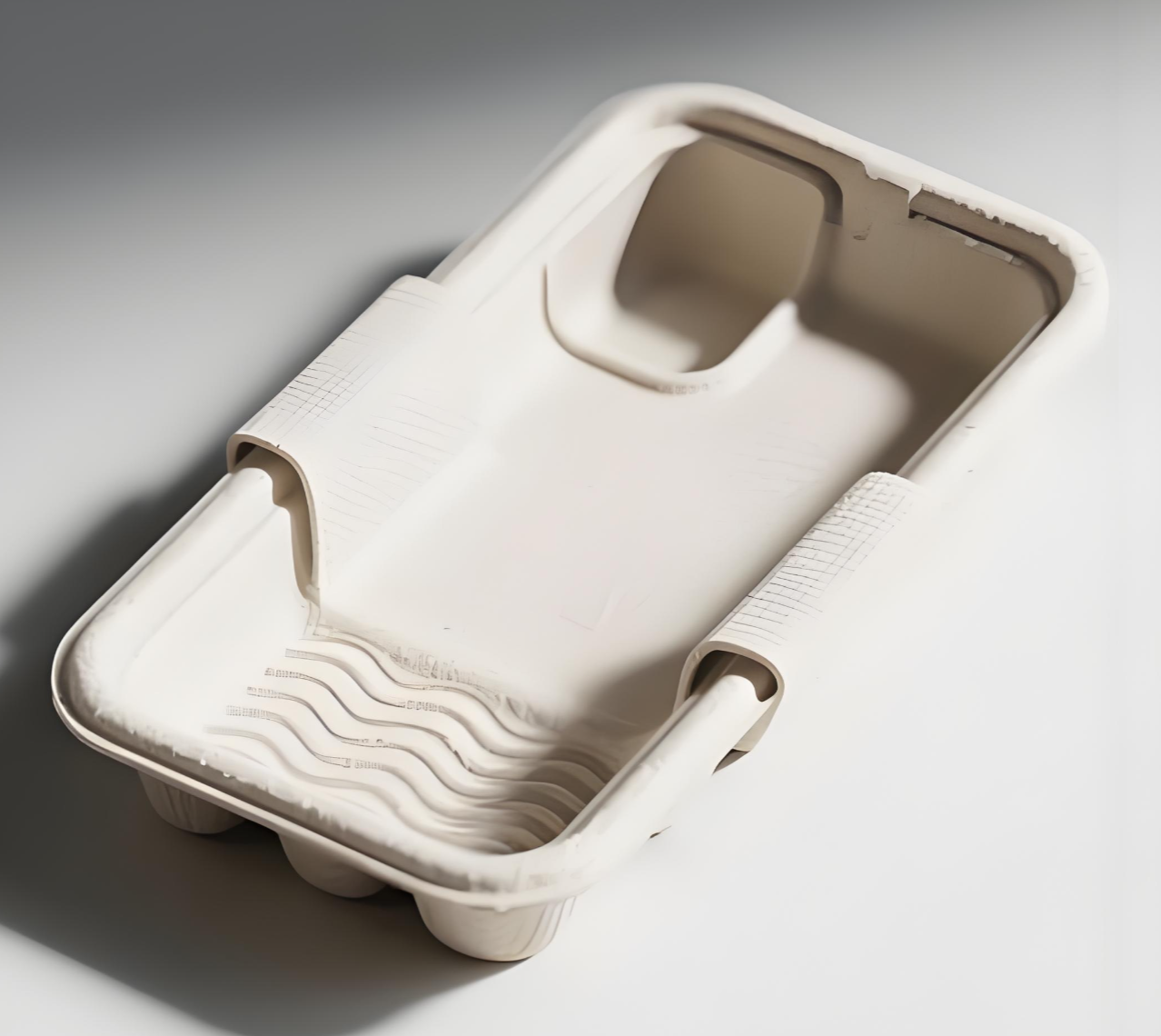
Suzhou Hanyang Paper Plastic Products Co., Ltd. employs two primary molding technologies: wet-pressing and dry-pressing, each with distinct processes and resulting product characteristics. Wet-pressing involves forming products from a pulp slurry with high water content, which are then pressed and dried under high temperature and pressure. This process creates trays with a dense, smooth surface on both sides, ideal for high-quality printing and a premium finish. In contrast, the dry-pressing process starts with a semi-dry fiber mat, requiring significantly less water and energy during formation. While this method is more energy-efficient, it typically results in one smooth side (in contact with the hot mold) and one textured side. Understanding these fundamental differences is the first step in selecting the right technology for a specific packaging application, balancing aesthetics, functionality, and cost.
Matching Technology to Product Requirements
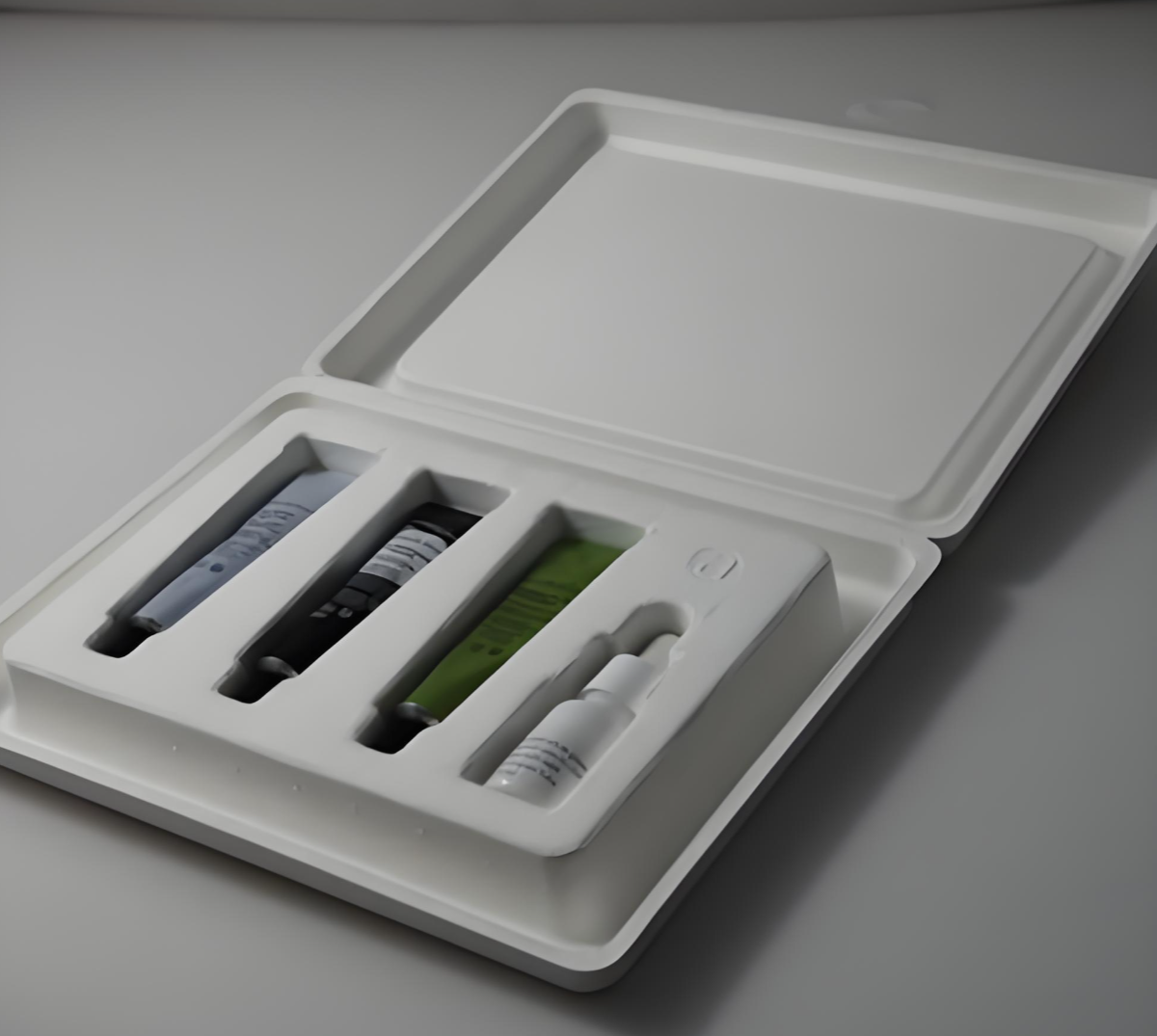
The choice between wet-pressing and dry-pressing is not about superiority but suitability, dictated by the product's end-use requirements. Wet-pressed products from Hanyang are exceptionally strong and have excellent dimensional stability, making them the preferred choice for precision packaging of high-value items such as consumer electronics, luxury goods, and high-end audio equipment. The smooth surface is perfect for detailed brand logos and information, enhancing unboxing experiences. For instance, trays for mobile phones or laptops benefit from this technology's rigidity and premium feel. Conversely, dry-pressed products are ideal for applications where cost-effectiveness, lightweight, and basic protection are priorities, such as industrial agricultural trays, egg cartons, and fruit pads. Their excellent breathability is advantageous for fresh produce packaging. Hanyang's expertise allows it to guide clients in choosing the optimal process—whether it's wet-pressing for electronics requiring anti-static properties and a sleek look, or dry-pressing for large-volume, cost-sensitive applications like disposable food containers.
Sustainability, Cost, and Production Efficiency
Beyond functional properties, the strategic implications of each technology significantly impact sustainability goals and supply chain efficiency. Dry-pressing is inherently more energy-efficient due to drastically reduced water removal needs, leading to a lower carbon footprint and lower operational costs, which is crucial for high-volume orders. Wet-pressing, while potentially more energy-intensive, produces a denser, more durable product that can be ideal for reusable or returnable packaging scenarios, contributing to a circular economy. Hanyang's capability in both technologies provides clients with flexible and agile manufacturing solutions. The company's 99 automated production lines and ability to deliver within 3 days are testaments to the efficiency of these processes. Furthermore, both methods utilize biodegradable and recycled materials, aligning with Hanyang's core mission of providing eco-friendly packaging. The decision ultimately hinges on a strategic balance between product performance requirements, environmental priorities, budget constraints, and desired production speed.
Related product and article resources
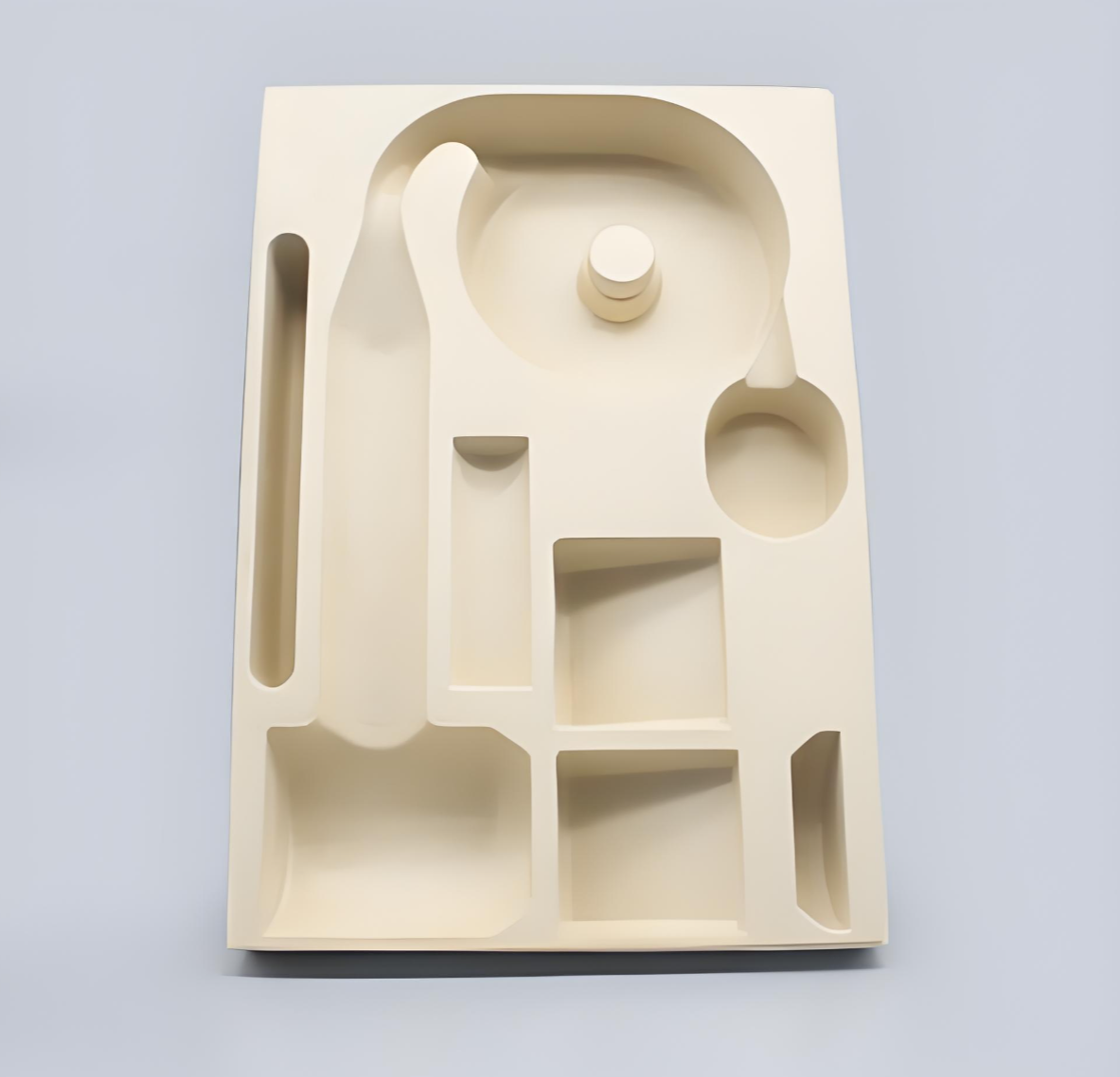
For procurement comparison and technical evaluation, readers can continue with these related product pages and supporting articles.
In summary, the choice between wet-pressing and dry-pressing is a critical strategic decision that directly influences product quality, cost, and sustainability. Suzhou Hanyang's expertise in both technologies empowers brands to make an informed choice, ensuring their packaging aligns perfectly with their product needs, brand values, and market objectives. By leveraging the right molding process, businesses can achieve optimal protection, presentation, and environmental responsibility.