












Tooling efficiency is one of the most important factors in custom molded pulp packaging development because it directly affects project speed, development cost, revision flexibility, and the time required to move from concept to mass production. Buyers often focus on final tray price, but the speed and quality of tooling development can have an even greater impact on procurement success. If tooling takes too long, requires repeated redesign, or produces unstable early samples, the project quickly loses time and confidence. In practical packaging procurement, tooling efficiency is not only about how fast a mold can be made. It is about how effectively the supplier can convert product requirements into a stable, manufacturable packaging structure.
Clear Product Input And Design Logic Improve Tooling Speed
The first factor that determines tooling efficiency is the quality of the project input. If the buyer provides incomplete dimensions, unclear risk points, or uncertain packing conditions, the tooling process will slow down because the supplier has to make more assumptions and revisions. Tooling moves much faster when the product size, weight, weak zones, carton limits, packing method, and target application are already well defined. The clearer the design goal, the fewer unnecessary mold changes are required.
Good design logic also matters. A structure that reflects real product needs is easier to tool efficiently than a design based only on appearance. When the tray layout is built around key support points, production draft angles, pulp shrinkage behavior, and realistic demolding conditions, tooling development becomes more direct and stable. In contrast, if the design ignores manufacturing logic, the mold may need repeated correction even before sampling is complete. Buyers who support suppliers with better product data and more practical development targets usually get faster tooling results.

Mold Engineering Experience And Revision Capability Reduce Development Delays
The second factor is the supplier’s mold engineering capability. Efficient tooling is rarely the result of speed alone. It usually comes from experience. Suppliers who regularly develop custom molded pulp packaging understand how to compensate for shrinkage, control wall thickness, design stable cavities, and anticipate where structural issues may appear during forming and drying. This reduces the need for repeated trial-and-error correction.
Revision capability is equally important. In custom packaging development, first-time perfection is rare. What matters is how quickly and accurately the supplier can respond when fit, shape, or support details need adjustment. A supplier with strong tooling engineering can revise the mold with minimal delay and better predict the result of each change. This shortens the development cycle significantly. For buyers, the difference between an efficient tooling supplier and an inefficient one is often seen not in the first mold release, but in how smoothly the project recovers after the first round of feedback.

Sample Validation And Cross-Team Communication Determine Final Efficiency
The third factor is how sample validation and communication are managed. Even a good mold can lose efficiency if buyer feedback is slow, unclear, or not connected to real packaging performance. Tooling development becomes much more efficient when engineering, purchasing, quality, and packing teams all review samples against the same target. Clear approval comments, prioritized revisions, and fast feedback loops reduce unnecessary tooling changes and avoid confusion.
This is why tooling efficiency should be evaluated as a project-management issue as well as an engineering issue. The supplier must communicate clearly, but the buyer must also review quickly and precisely. When both sides work with a shared understanding of fit requirements, mass-production goals, and acceptable tolerances, tooling moves faster and becomes more reliable. In real procurement, efficient tooling is usually built on both technical competence and disciplined communication.
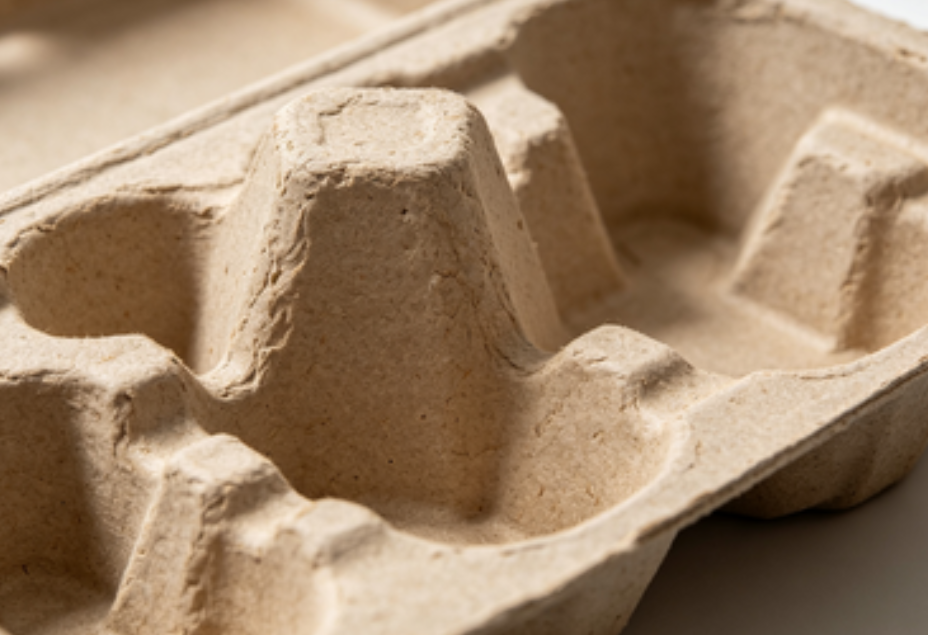
Tooling efficiency in custom molded pulp packaging development depends on clear product input, strong mold engineering, and disciplined sample communication. Buyers who manage these three areas well usually achieve faster development, lower revision cost, and smoother transition to production. In custom packaging projects, tooling efficiency is often the first real sign of whether a supplier can support long-term cooperation.