












Packing efficiency matters greatly in packaging procurement because labor time, line speed, and repeatability can influence total cost just as much as the unit price of the tray itself. A molded pulp tray that protects the product well but slows down loading, creates operator errors, or complicates carton closing may reduce the overall value of the packaging solution. Buyers should therefore look beyond protection alone and consider how the tray supports real packing operations. A well-designed molded pulp tray should guide product placement naturally, reduce handling time, and make the entire packing process smoother and more consistent. In real production, good tray design can create measurable cost savings without changing the product itself.
Design Product Location So Operators Can Place Items Quickly And Correctly
The first step in improving packing efficiency is to make the tray intuitive. Operators should immediately understand where the product goes and how it should be positioned. If the cavity shape is confusing, the product orientation is unclear, or the entry angle is too narrow, packing speed will slow and errors will rise. A good molded pulp tray makes the correct placement almost automatic. The product should settle into position naturally rather than requiring repeated adjustment.
This is especially important for medium- and high-volume projects. Buyers should observe whether the tray supports consistent loading by different workers, not only by the most experienced operator. If a tray design depends on careful manual correction, its real packing efficiency is weak. Clear geometry, simple insertion movement, and stable product seating are all signs that the packaging design supports operational efficiency. In many cases, a small improvement in tray layout can create a large improvement in packing speed.

Reduce Unnecessary Handling And Avoid Rework During Packing
A well-designed molded pulp tray should reduce extra handling steps. If the operator has to rotate the product several times, press the part into a tight area, rearrange accessories, or correct shifting before closing the carton, the packing process becomes slower and less reliable. Buyers should therefore evaluate how many touches are actually needed to complete one packing cycle. The fewer unnecessary movements, the higher the packing efficiency.
Accessory coordination matters as well. If a tray is used for multiple components, the loading order should be logical and uninterrupted. No component should block access to another or force the operator to reopen a previous step. A strong tray design creates a packing sequence that feels smooth and repeatable. This not only reduces labor time, but also helps lower fatigue and packaging errors over long production runs.
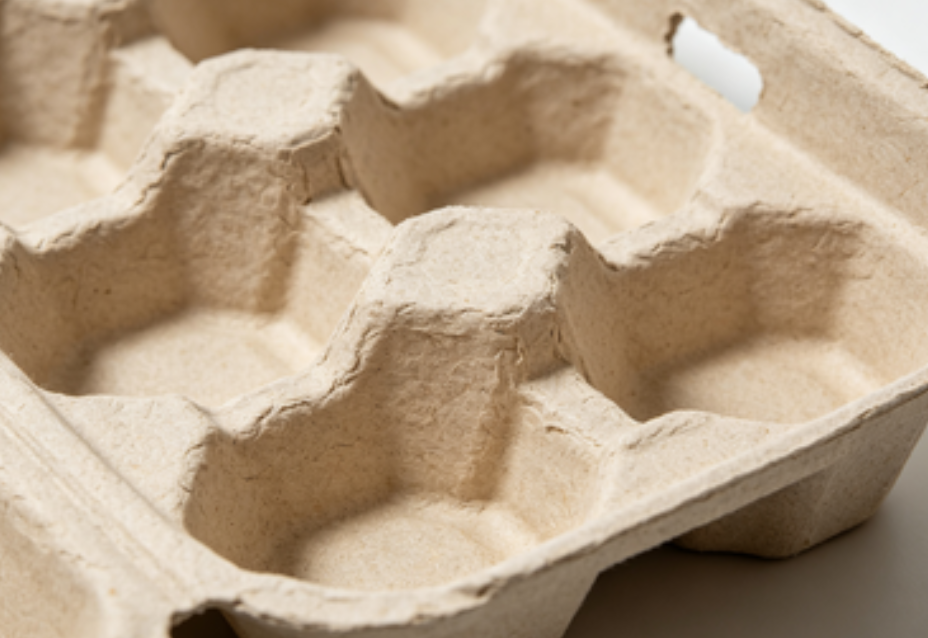
Make Sure The Tray Supports Stable Carton Closing And Repeatable Output
The final part of packing efficiency is what happens after the product is placed. A tray may hold the product well, but if carton closing becomes difficult, top clearance is inconsistent, or the product shifts when the box is moved, the overall packing cycle still loses efficiency. Buyers should therefore evaluate the tray together with the actual carton and closing process. A good design should allow the carton to close smoothly without extra force or last-minute correction.
Repeatability is just as important as speed. An efficient tray is not only fast in one trial. It remains fast and stable across many cycles and many operators. This is where dimensional consistency, tray nesting behavior, and practical carton fit all become important. In high-volume packaging operations, a tray that supports repeatable closing and stable output often has greater value than a tray that only looks technically impressive. For buyers, packing efficiency should always be judged in real operational terms.
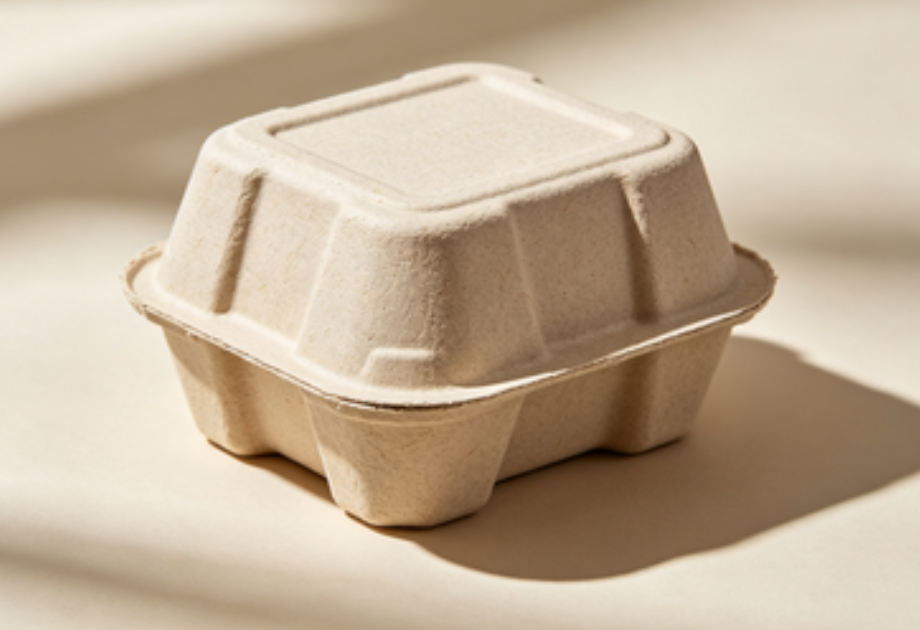
To improve packing efficiency with molded pulp trays, buyers should focus on intuitive product positioning, fewer handling steps, and smooth carton-closing performance. The best tray design is one that supports speed, accuracy, and repeatability together. That is how packaging begins to save labor and improve total operational value.