The Rise of Molded Pulp in Automotive Parts Packaging: A Case Study
The automotive industry, known for its stringent requirements for precision and safety, is increasingly adopting sustainable packaging solutions to align with global ESG goals. Molded pulp packaging, once limited to egg trays and consumer goods, has emerged as a high-performance alternative for protecting sensitive automotive components. This case study explores how manufacturers like Suzhou Hanyang are leveraging molded pulp’s unique properties to address challenges in automotive logistics, from shock absorption to carbon reduction.
1. Engineering Advantages: Precision Protection for Automotive Components
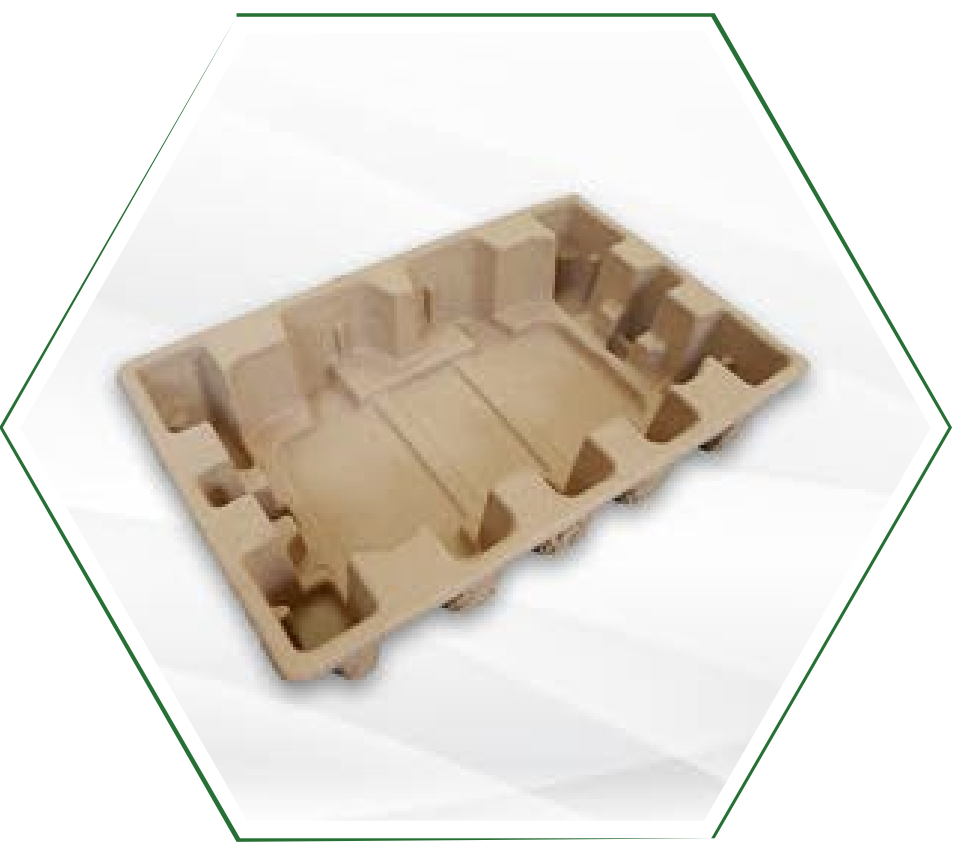
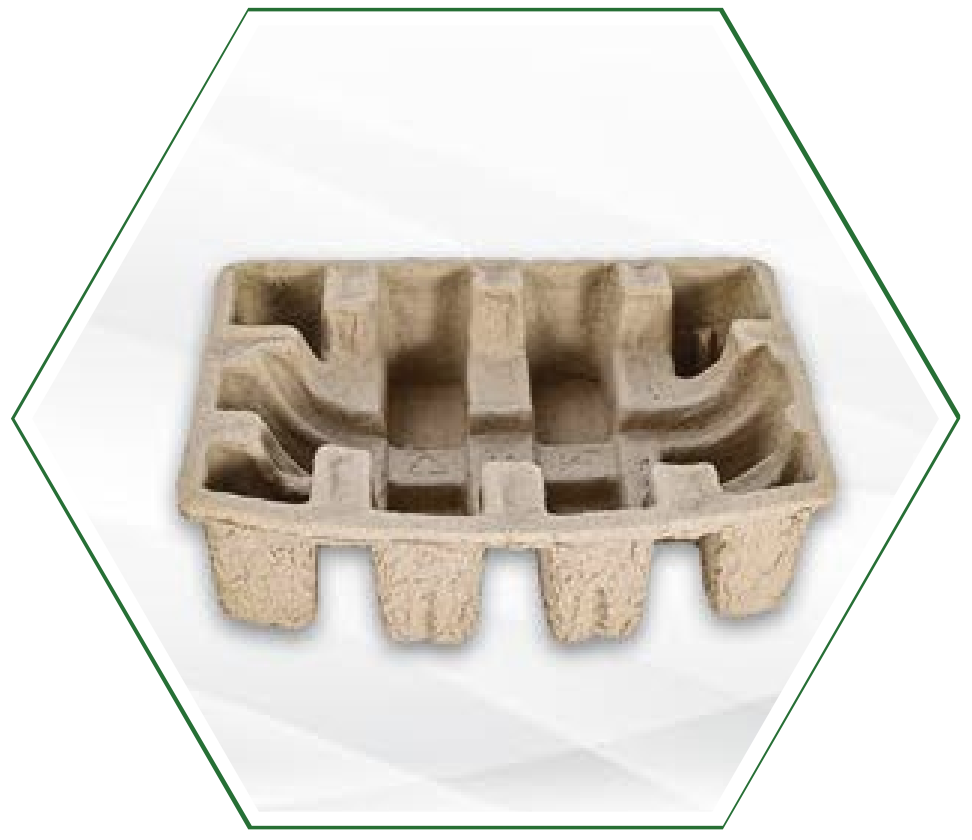
Molded pulp’s customizable structure allows it to cradle intricate parts like sensors, electronic control units (ECUs), and brake components with millimeter-level accuracy. For example, Hanyang’s dry-press molded pulp trays can be designed with cavities that snugly fit irregularly shaped parts, reducing movement during transit. Shock-absorption tests show that these trays dissipate impact forces of up to 15G, critical for fragile components like LED headlights or battery modules. Compared to expanded polypropylene (EPP) foam, molded pulp offers comparable protection while using biodegradable materials. Additionally, anti-static treatments can be integrated during pulping to safeguard sensitive electronics.
2. Sustainability Metrics: Reducing Carbon Footprint in Supply Chains
A lifecycle assessment of automotive packaging reveals that molded pulp generates 40% fewer CO₂ emissions than plastic foams like EPP or EPS. This reduction stems from renewable materials (e.g., bamboo or recycled paper) and energy-efficient production. Hanyang’s facilities, for instance, use closed-loop water systems and solar-assisted drying lines, cutting energy consumption by 25%. The trays’ lightweight nature also lowers transportation emissions; a shipment of 1,000 molded pulp packages weighs ~300 kg less than equivalent plastic options. Furthermore, end-of-life composting or recycling aligns with automakers’ circular economy targets, whereas plastic foam often ends up in landfills.
3. Case Study: Hanyang’s Partnership with an Electric Vehicle Manufacturer
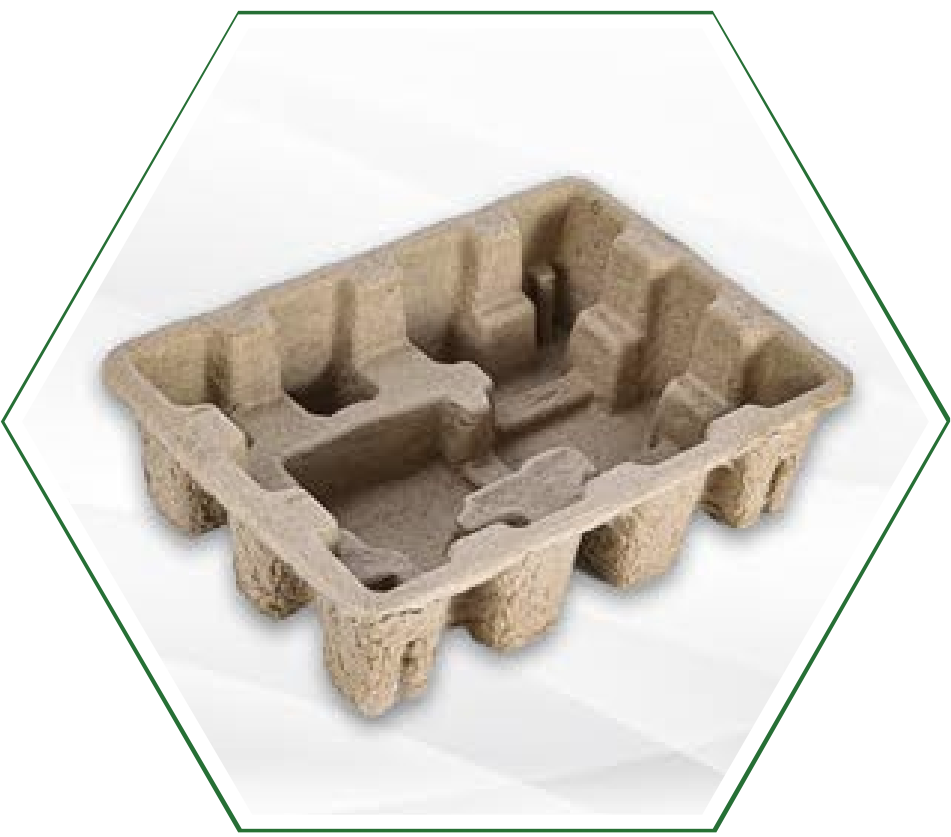
A leading EV manufacturer faced challenges with packaging delicate battery cooling plates, which required anti-vibration and anti-corrosion properties. Hanyang developed a multi-layer molded pulp design with a moisture-resistant coating, replacing PVC foam and reducing packaging costs by 18%. The solution included interlocking stacks for efficient palletization, increasing warehouse space utilization by 30%. Post-adoption, the client reported a 60% decrease in transit damage and achieved their annual carbon reduction target six months ahead of schedule. This success highlights molded pulp’s scalability for high-volume automotive applications.