












A Tale of Two Materials: Source, Structure, and End of Life
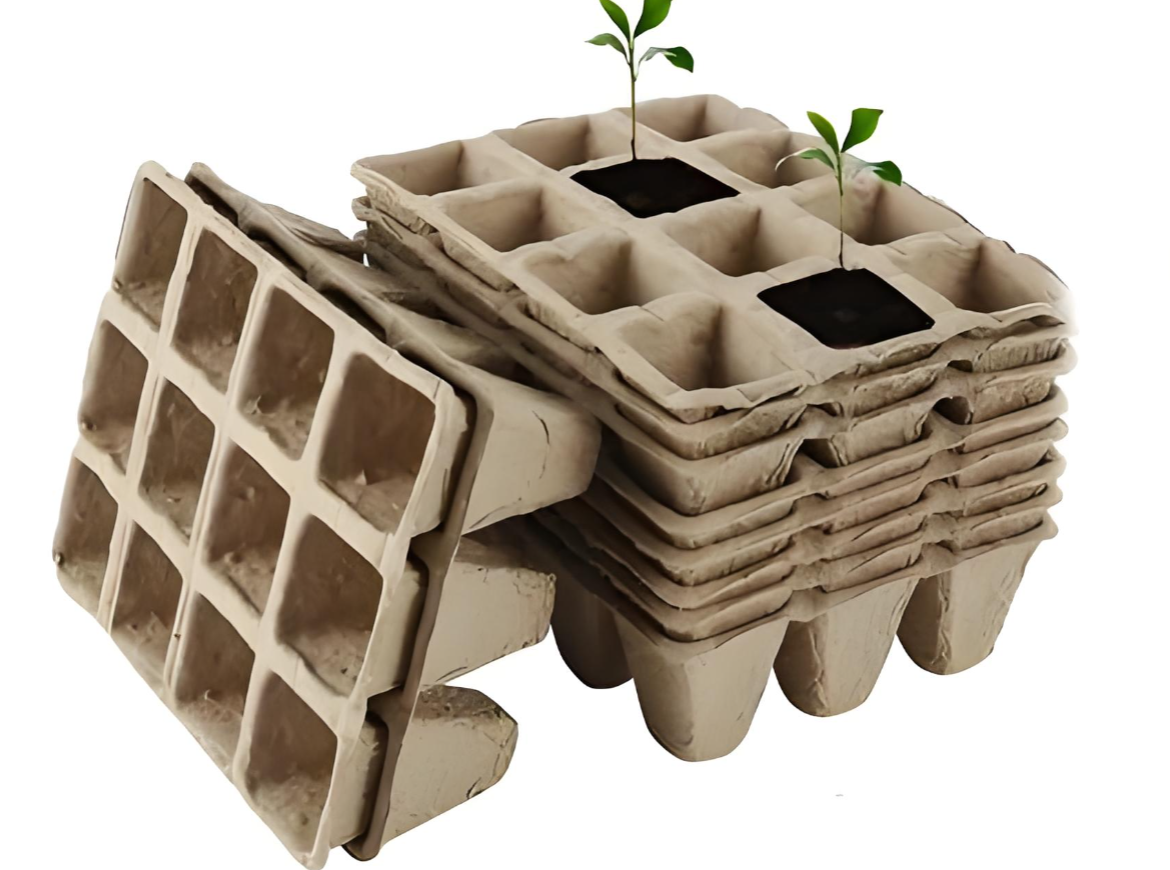
The fundamental difference between traditional plastic foam (like Expanded Polystyrene, EPS) and Hanyang's molded pulp packaging lies in their lifecycle narrative. Plastic foam is a product of the linear economy, born from non-renewable petrochemicals through an energy-intensive expansion process. Its structure, comprised of over 95% air trapped in closed plastic cells, provides cushioning but creates a persistent environmental legacy. It is notoriously difficult and uneconomical to recycle, leading to its fate as single-use packaging that clogs landfills or pollutes ecosystems for centuries. In stark contrast, Hanyang's molded pulp packaging originates from recycled paper fibers or sustainably managed virgin pulp, a renewable resource. Its three-dimensional, porous structure is formed through a hydraulic molding process, resulting in a product that is inherently biodegradable and compostable. At the end of its useful life, it can re-enter the biological cycle, decomposing into organic matter without leaving microplastic pollution. This contrast defines the first major axis of comparison: plastic foam is a terminal waste product, while molded pulp is designed for circularity and regeneration.
Performance Under Pressure: Protection, Versatility, and Supply Chain Integrity
While sustainability is paramount, packaging must first and foremost perform its protective duty. Plastic foam excels in lightweight cushioning but has notable weaknesses: it is friable and prone to shedding particles, offers minimal structural rigidity for heavy items, and is susceptible to damage from solvents. Hanyang's engineered molded pulp addresses these gaps with superior structural integrity. Through precise design and process control, it achieves excellent compression strength and shock absorption, capable of protecting heavy automotive components or delicate electronics. Its customizable design allows for complex geometries, integrated fastening points, and stackable/nestable configurations that optimize logistics space and reduce shipping costs. For specialized needs, properties like moisture resistance or ESD (electrostatic discharge) protection can be integrated directly into the material, a functional versatility foam lacks. Furthermore, as a stable and inert material, it poses no risk of outgassing or chemical interaction with sensitive products. From a supply chain perspective, Hanyang's emphasis on full-process quality control and robust export packaging ensures the packaging itself arrives intact and reliable, mitigating the risks often associated with damaged foam packaging during long-distance shipping.

The Total Cost Equation: Beyond the Unit Price Tag
The procurement decision often hinges on price, but the true cost extends far beyond the unit price of the packaging. Plastic foam may appear cheaper initially, but this sticker price ignores significant hidden costs and future liabilities. These include environmental compliance fees (like plastic taxes or EPR schemes), rising waste disposal costs for non-recyclable material, and potential brand reputation risks associated with plastic pollution. Conversely, investing in Hanyang's sustainable packaging solutions presents a model of long-term value and risk mitigation. It future-proofs operations against tightening environmental regulations. It aligns with corporate ESG (Environmental, Social, and Governance) goals, enhancing brand equity with increasingly eco-conscious consumers and B2B partners. The operational efficiency gained from optimized design (reducing shipping volume and damage rates) directly lowers logistics expenses. Hanyang’s scalable production capacity and agile supply chain (with capabilities like 3-day delivery for certain orders) ensure reliability and responsiveness, reducing inventory risks. Therefore, the choice becomes clear: plastic foam represents a short-term expense with long-term liabilities, while molded pulp is a strategic investment in supply chain resilience, brand integrity, and regulatory compliance.
Related product and article resources
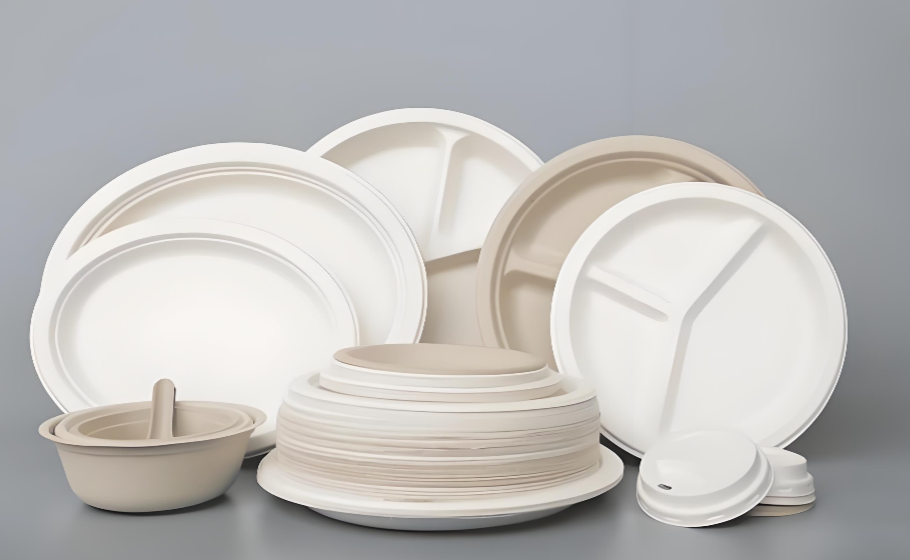
For procurement comparison and technical evaluation, readers can continue with these related product pages and supporting articles.
The comparison between traditional plastic foam and Hanyang's molded pulp packaging is not merely about substituting one material for another. It is a strategic pivot from a linear, waste-generating model to a circular, regenerative one. Hanyang's solution proves that high-performance protection, supply chain efficiency, and environmental responsibility are not mutually exclusive but are synergistic outcomes of intelligent design and responsible manufacturing. For forward-thinking businesses, choosing molded pulp is a decisive step towards eliminating plastic waste, future-proofing operations, and building a brand synonymous with genuine sustainability. It is the definitive choice for packaging that protects both the product it carries and the planet we share.