












What Buyers Should Check Before Ordering Molded Pulp Trays
Molded pulp trays are widely used for electronics, food packaging, egg trays and industrial protection. However, many buyers face issues such as poor fit, deformation, low strength or unstable quality after bulk production. Before placing an order, it is critical to evaluate several key factors to ensure packaging performance, cost control and delivery reliability.
Get Quote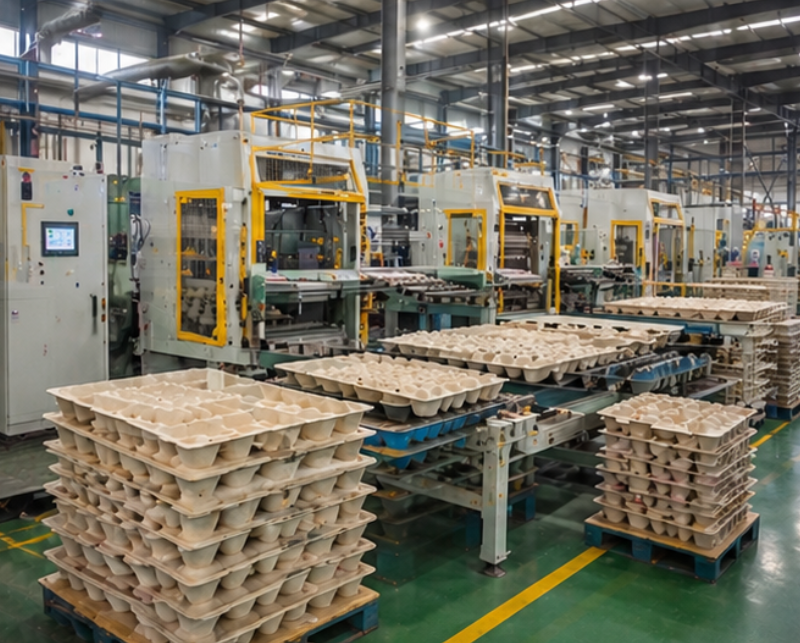
1. Product Size, Fit And Structural Design
The most common problem in molded pulp trays is incorrect sizing or poor fit. Buyers must confirm whether the tray is designed according to the actual product dimensions, including tolerance, positioning structure and stacking method.
A well-designed molded pulp tray should hold the product firmly, prevent movement during transportation and provide enough cushioning for fragile parts. For electronics and precision products, even small design deviations can cause damage during shipping.
2. Material Type And Surface Quality
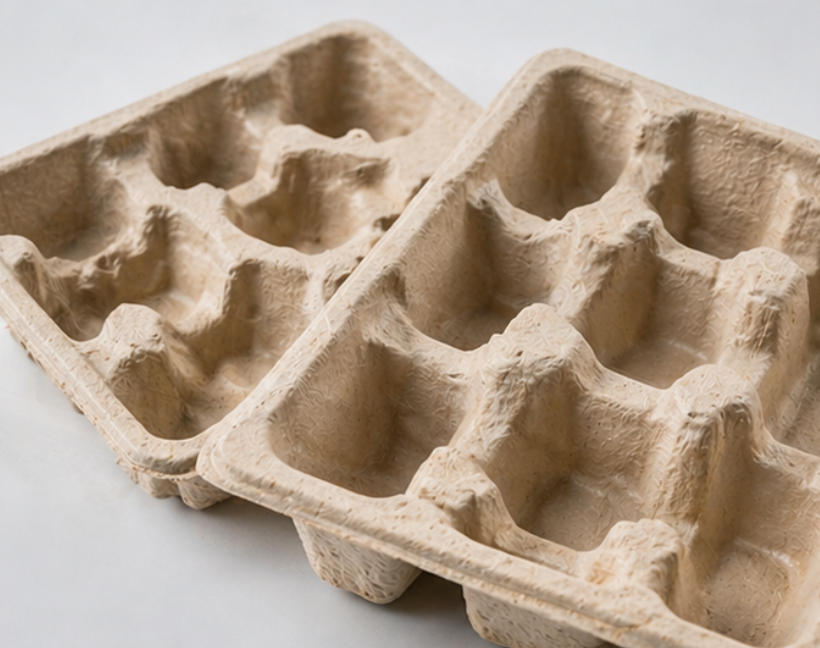
Molded pulp trays can be made from recycled paper pulp, virgin pulp, or mixed fibers. Different materials affect strength, color, surface smoothness and cost.
If the trays are used for food or branded retail products, buyers should also check cleanliness, odor, surface finishing and color consistency. A rough surface may affect product image, while low-density material may reduce strength.
3. Strength, Protection And Drop Resistance
The core function of molded pulp trays is protection. Buyers should confirm whether the packaging can withstand stacking pressure, transportation vibration and drop impact.
Manufacturers should design reinforced structures such as ribs, edges and buffer zones. If necessary, drop tests and compression tests should be conducted to verify real-world performance.
4. Mold Cost, Sampling And Lead Time
Custom molded pulp trays require molds. Buyers should clearly understand mold cost, sample time and production lead time before placing orders.
A professional manufacturer should provide a clear process: design confirmation → mold development → sample testing → modification → mass production. Fast sampling capability is especially important for new product launches.
5. Production Capacity And Quality Consistency
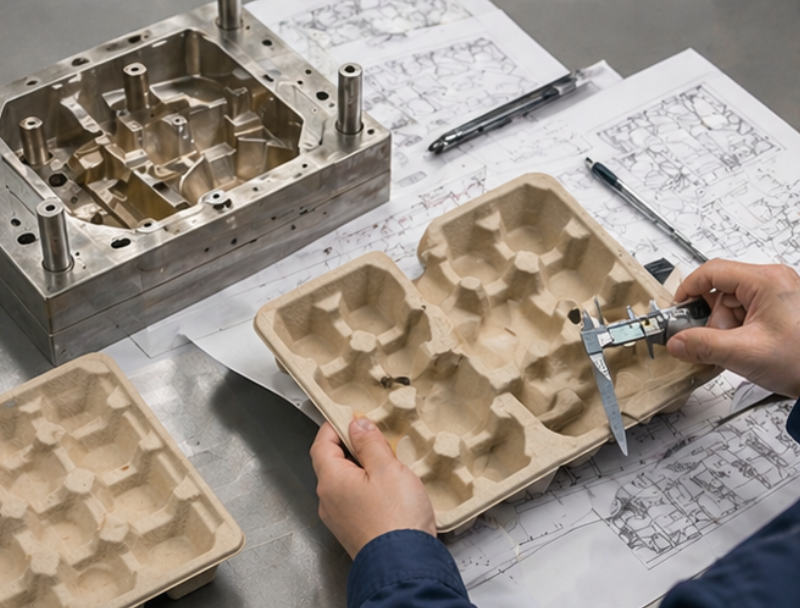
Many buyers face quality inconsistency between samples and bulk orders. It is important to check whether the manufacturer has stable production lines, drying systems and trimming processes.
Consistency in thickness, shape, moisture content and stacking stability is critical for export orders. Buyers should also confirm inspection standards and defect control.
6. Packaging, Shipping And Export Experience
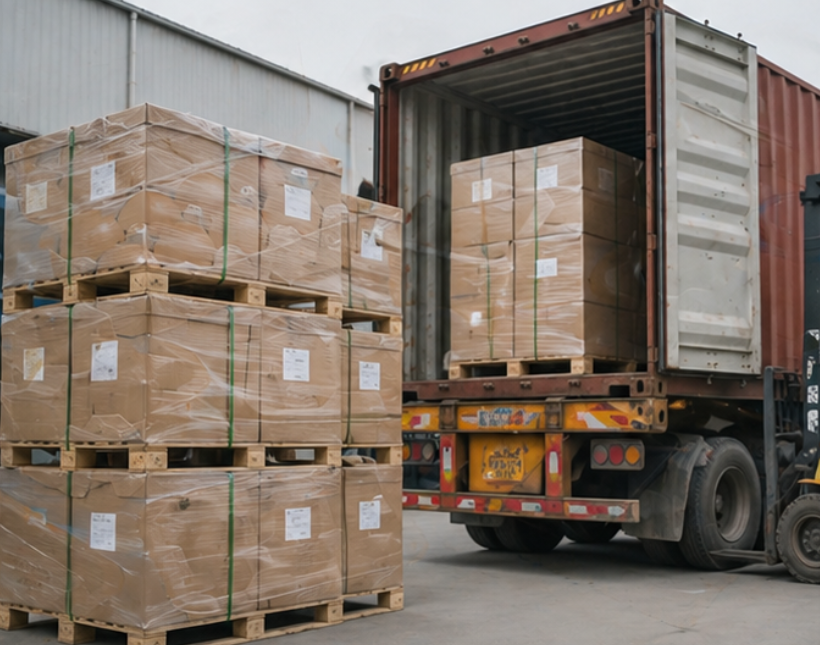
Molded pulp trays are lightweight but bulky. Proper packing is important to reduce deformation and save shipping cost. Buyers should confirm carton packing, pallet loading and container optimization.
An experienced exporter can help reduce logistics risks and ensure the trays arrive in good condition.
What Information Should You Provide Before Quotation?
To receive an accurate quotation, buyers should provide product size, weight, application, quantity, packaging requirements, material preference and reference images. If 3D drawings are available, it will significantly improve design efficiency.
Clear information helps manufacturers deliver faster samples, more accurate pricing and better packaging solutions.
Looking For A Reliable Molded Pulp Tray Manufacturer?
Hanyang Paper provides custom molded pulp tray solutions for electronics, food packaging, egg trays and industrial applications with fast sampling and stable production.
Contact Us Get Quote