












An international molded pulp packaging RFQ should do more than ask for a unit price. Two suppliers can quote the same product at very different prices because they have assumed different materials, tooling scope, tolerances, sample rounds or export packing. The lowest number may therefore represent a different solution.
A useful RFQ makes those assumptions visible. It gives every supplier the same technical and commercial baseline, so buyers can compare protection, project cost and delivery risk on equal terms. The checklist below focuses on building one clear, revision-controlled RFQ pack instead of sending requirements through a long email chain.
Start with the product and its risk map
Provide the product dimensions, weight and drawings for every model or size. A 3D file is valuable, but photos should also identify fragile corners, buttons, ports, polished surfaces, handles and areas that may carry load. State the product orientation inside the box and note any accessories that share the package.
Suppliers also need the center of gravity and the surfaces that must not be touched. These details help them place cavities, ribs and support points around real risks rather than simply copying the outside shape.
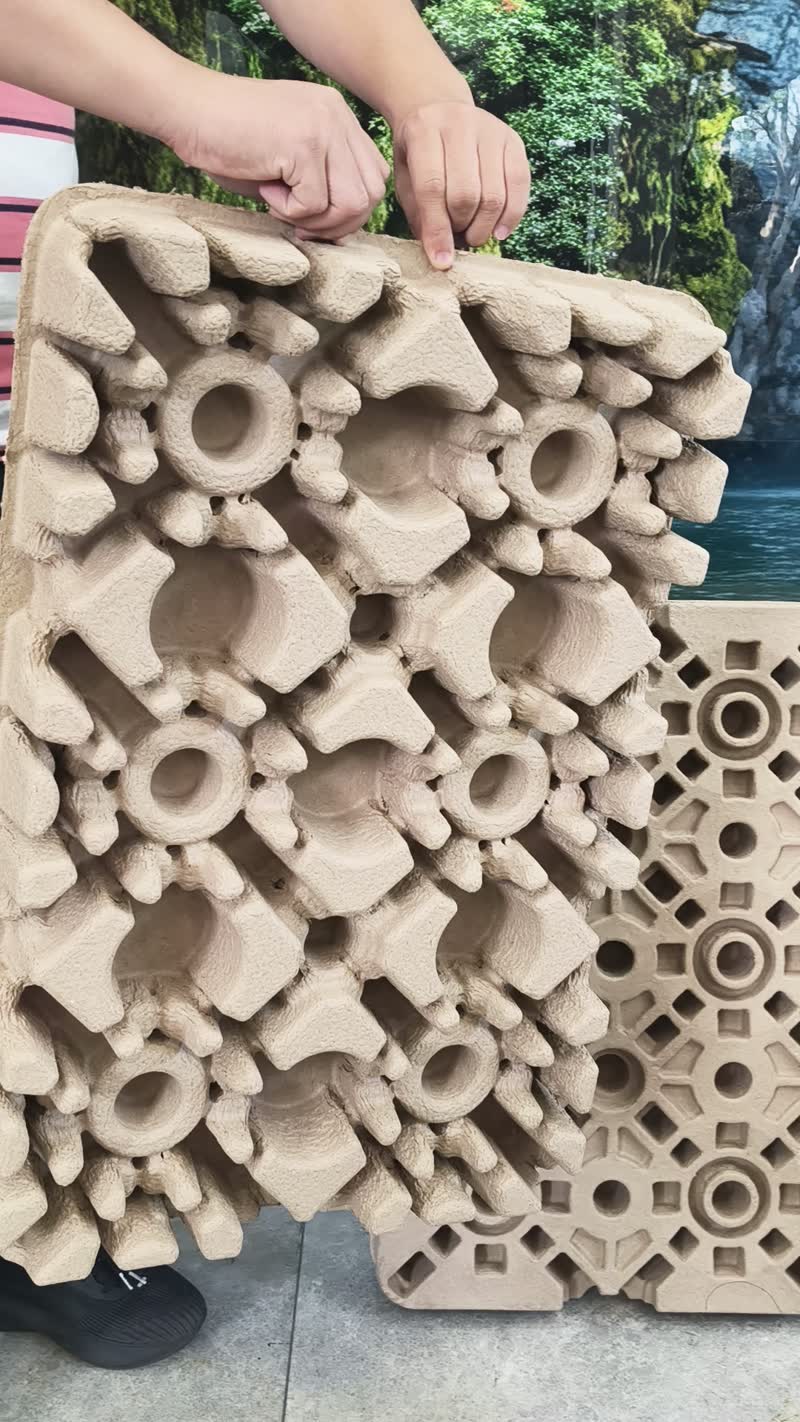
Product shape, weight and fragile zones should be mapped before suppliers quote the tray structure.
Define the complete packaging system
Specify whether the molded pulp part is a base, lid, end cap, divider or complete set. Include the retail box and outer carton dimensions, carton board limits, pieces per box and required packing direction. If the project must use an existing carton, mark the internal space that cannot change.
Explain how operators load the product and how the customer removes it. A design that protects well but slows the packing line or traps the product may still fail commercially. Reviewing physical samples with the full pack prevents this disconnect.
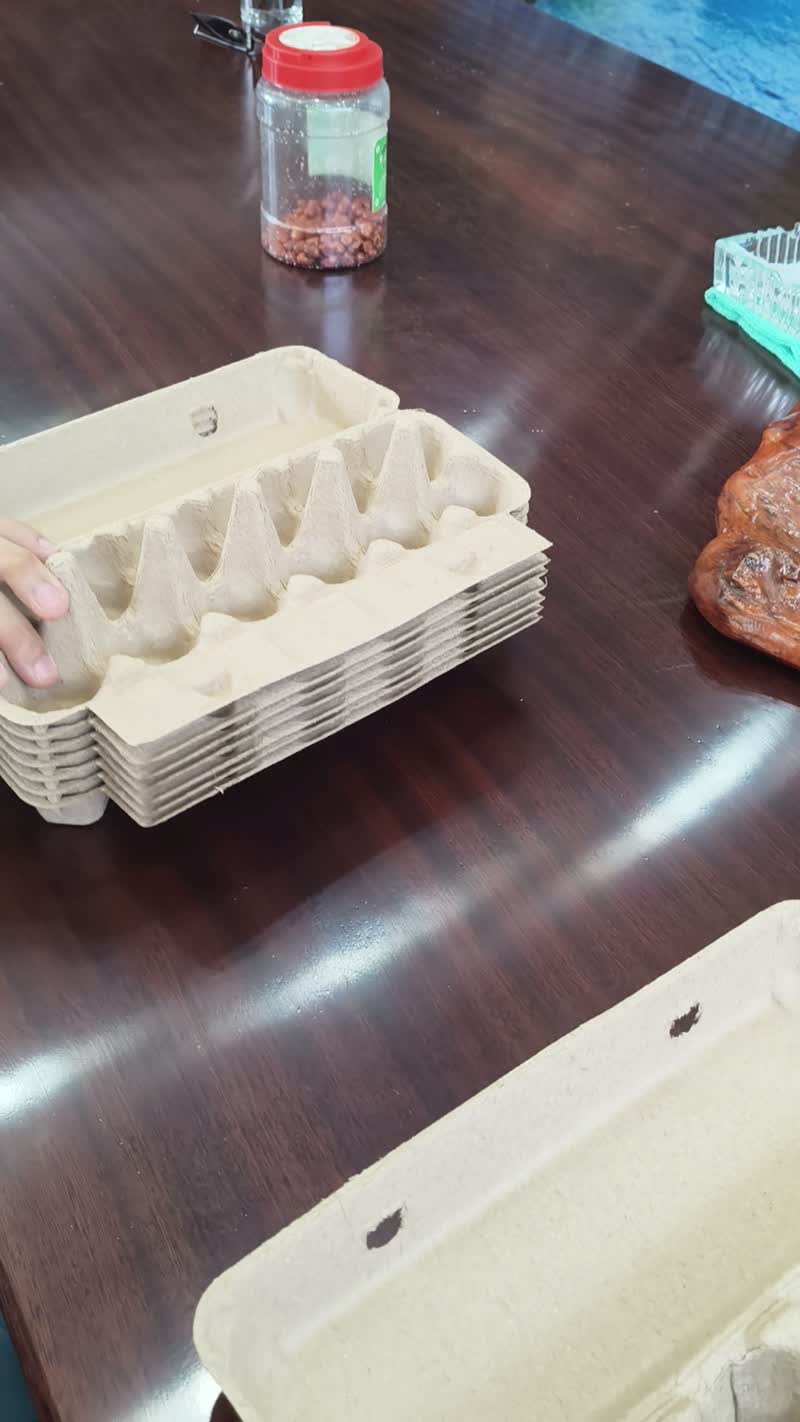
Review the tray together with the product, retail box and outer carton rather than as an isolated part.
Separate material and appearance requirements
State whether recycled pulp, virgin fiber, bagasse or another material is preferred. Define visible color, odor, cleanliness and surface expectations, and clarify whether the insert will be visible during unboxing. Do not request a coating or premium finish unless the application actually needs it.
If sustainability claims or destination-market documentation are required, list the exact standard or evidence that the supplier must provide. Buyers can review the existing guide to materials used in molded pulp packaging before fixing the specification.
Make tooling and sampling quotable
Ask suppliers to separate tooling, samples and production parts in the quotation. Confirm whether the mold is new or shared, who owns it, how long it will be retained and how engineering changes will be priced. State the required sample quantity, expected revision rounds and courier destination.
The approval record should identify the drawing version, critical dimensions and final physical reference. Hanyang Paper's sample approval guide explains why a golden sample should be supported by measurable specifications.
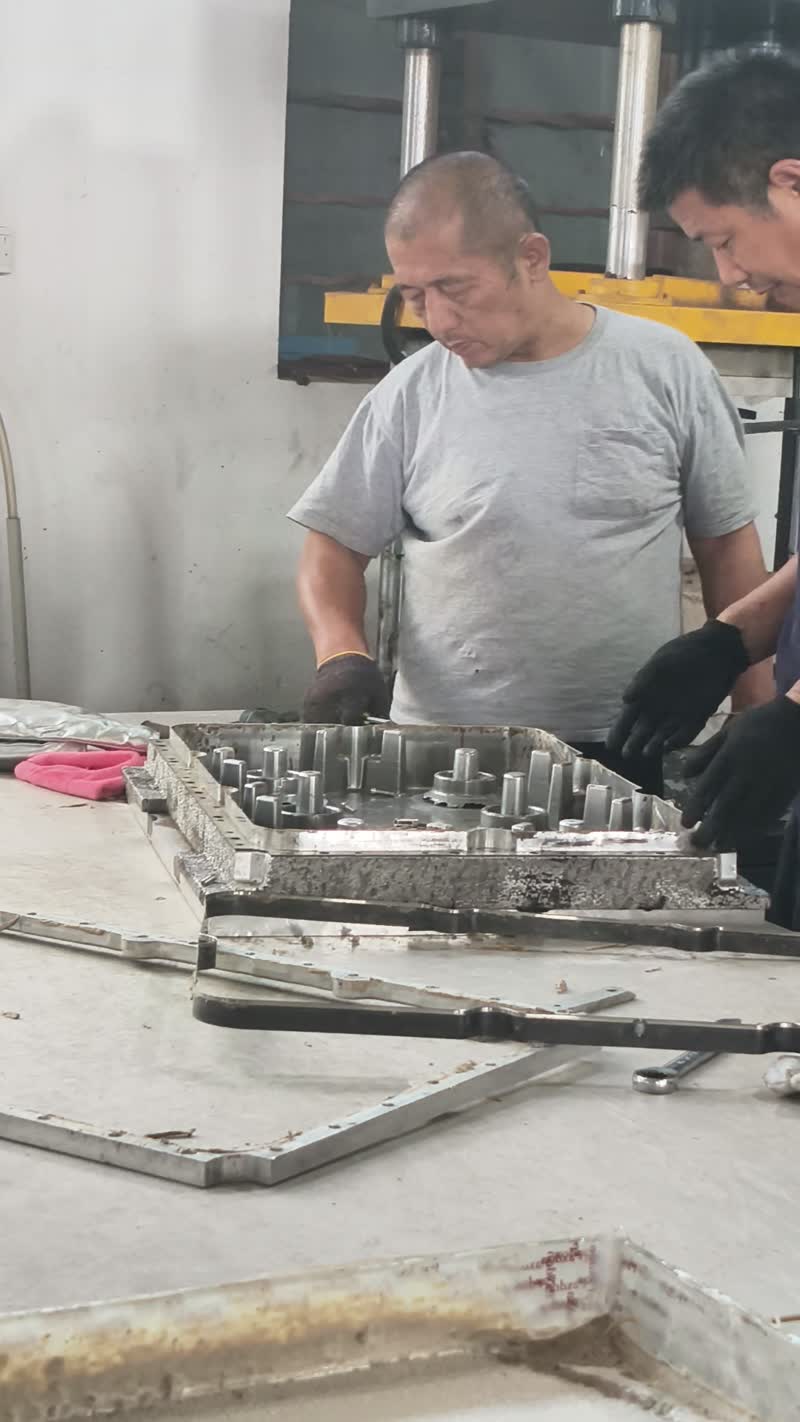
Tooling scope, revision rounds and sample approval should be defined in the RFQ.
Add tolerances and an acceptance plan
List only the dimensions that affect product fit, assembly or stacking as critical. Define acceptable tray weight, moisture condition, edge trimming, surface defects and product movement. Overly tight tolerances on cosmetic areas can raise cost without improving protection.
Name the required checks and pass criteria. These may include fit, compression, drop, vibration, stacking or humidity conditioning. Also state whether testing applies to a single tray, the complete retail pack or the master carton, and who will issue the report. The factory product testing center shows the types of inspection that can support an approval plan.
State volume and commercial assumptions
Provide the first order quantity, annual forecast, order frequency and target launch date. Ask suppliers to show unit price, tooling cost, sample cost, inner packing, export carton and pallet cost separately. The quotation should also state currency, validity period, Incoterm and production lead-time assumptions.
This structure makes quotations comparable. It also shows which cost can change if volume, carton quantity or shipping terms are revised later.
Include export packing and the shipping route
Tell the supplier whether goods will move by sea, air or parcel network and identify the destination country. Add expected warehouse transfers, humidity exposure, pallet restrictions, carton labels and any container-loading requirements. For nested products, confirm stack quantity and how workers will separate trays at arrival.
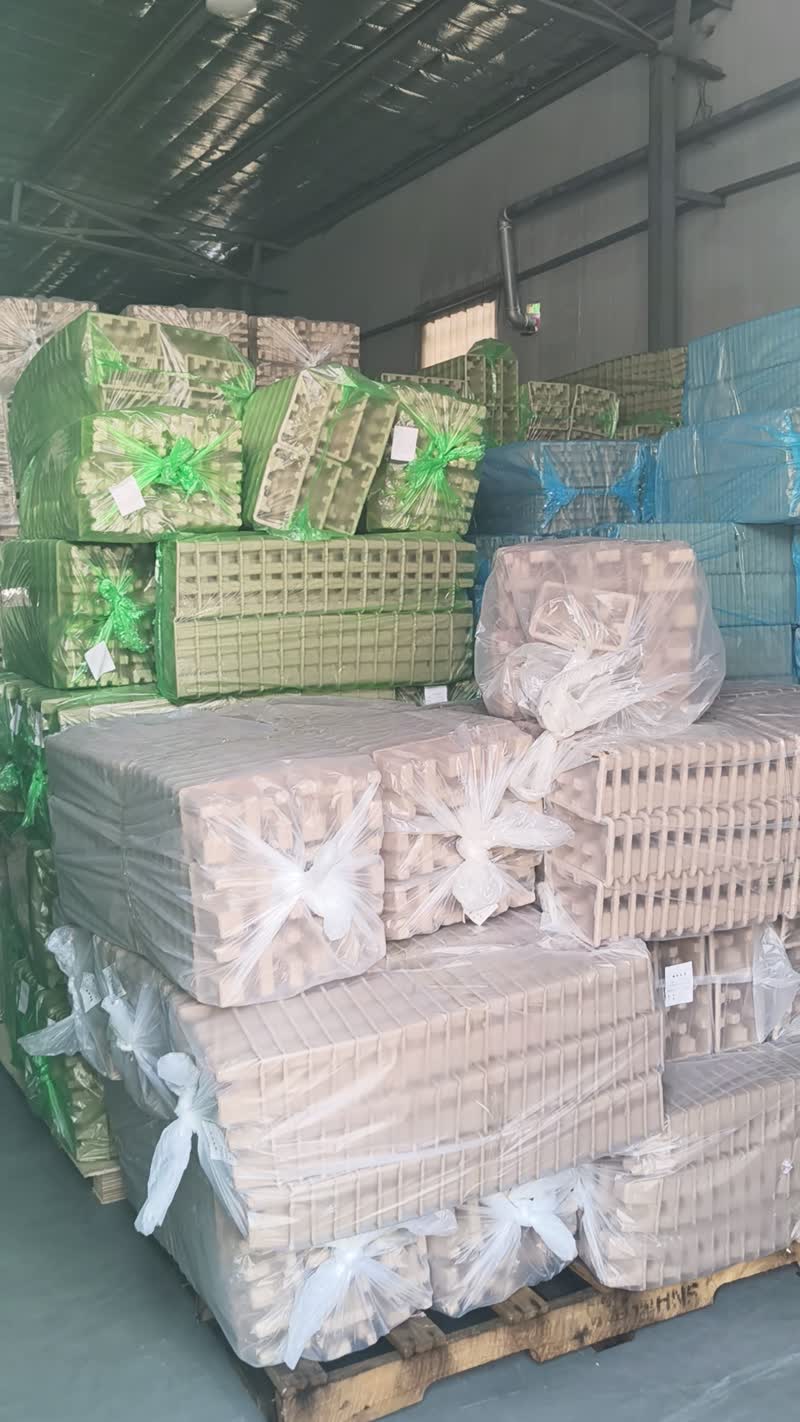
Carton quantity, wrapping and pallet configuration affect the true delivered cost.
Forklift handling, pallet wrapping and carton compression can influence product condition before the shipment even reaches the port. The RFQ should therefore cover the finished shipping unit rather than ending at the factory pack table.
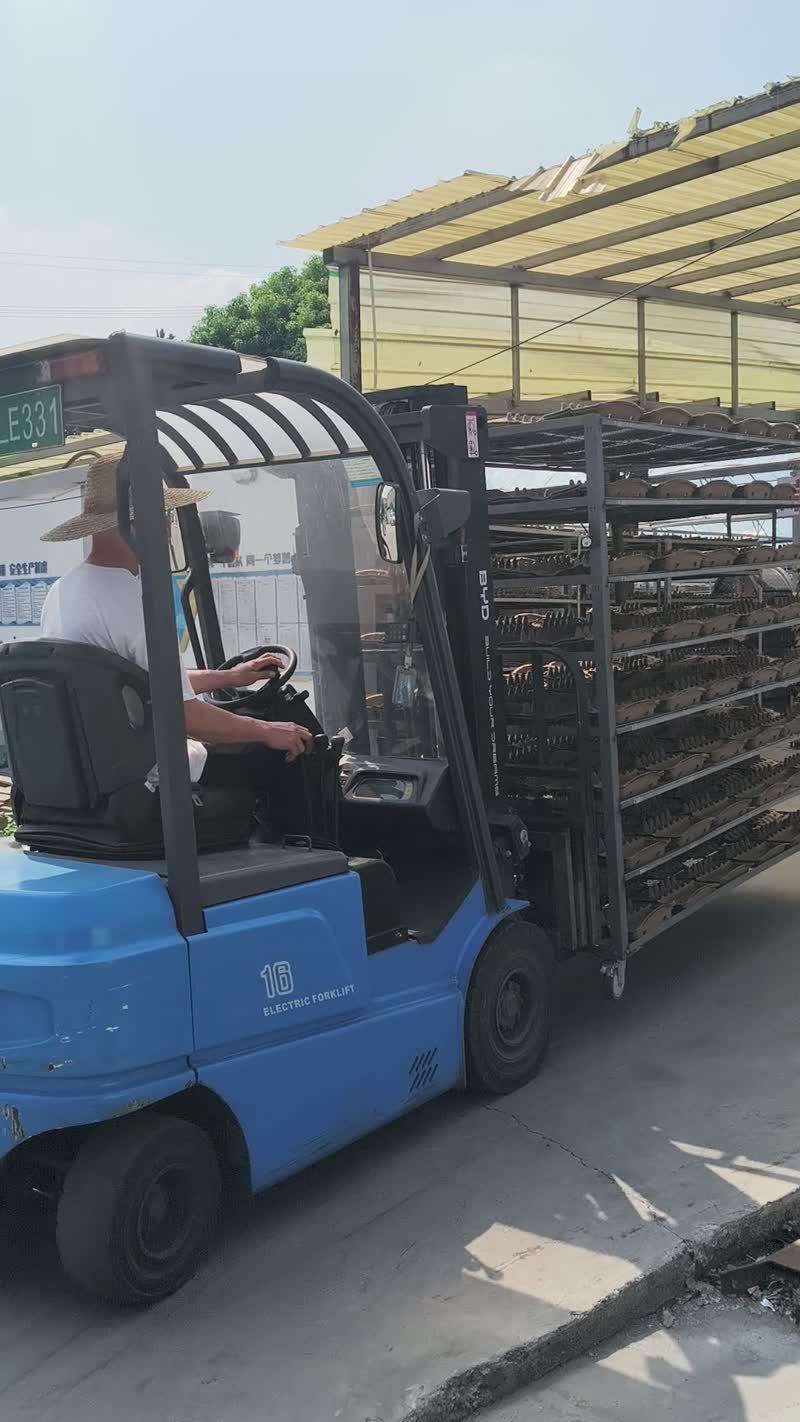
The shipping route and handling method help the supplier plan suitable export protection.
Send one controlled RFQ package
Give the project a code, date and revision number. List every attached drawing, photo, test standard and carton specification on the first page. When something changes, issue a new revision with a short change log. Suppliers should answer open questions against the same version before submitting a final price.
Before sending the request, confirm that the pack includes product data, packaging architecture, material and finish, tooling ownership, sample approval, critical tolerances, testing, order volume, commercial terms and export packing. A one-page summary can link to detailed files without repeating them.
Suzhou Hanyang Paper Plastic Products Co., Ltd. develops custom molded pulp trays for electronics, appliances, industrial components, food and beverage products. Send the completed RFQ pack through the contact page to receive a quotation based on clear and comparable project requirements.