












🔍 1. Raw Material Safety: The Foundation of Quality
The journey to a high-quality egg tray begins with strict control over raw materials. Manufacturers prioritize food-grade materials such as virgin HDPE plastic or certified recycled pulp, which are non-toxic, odorless, and comply with international food safety standards like FDA and EU regulations
. These materials are selected for their durability, chemical resistance, and ability to protect eggs without releasing harmful substances. For pulp-based trays, suppliers often use high-purity paper sources (e.g., white cardboard or untreated newspaper) to ensure fiber consistency and structural integrity . Advanced production facilities implement 100% QC checks on incoming raw materials to detect impurities or inconsistencies before processing, ensuring every batch meets hygiene and performance benchmarks .
🏭 2. Comprehensive In-Process Quality Control
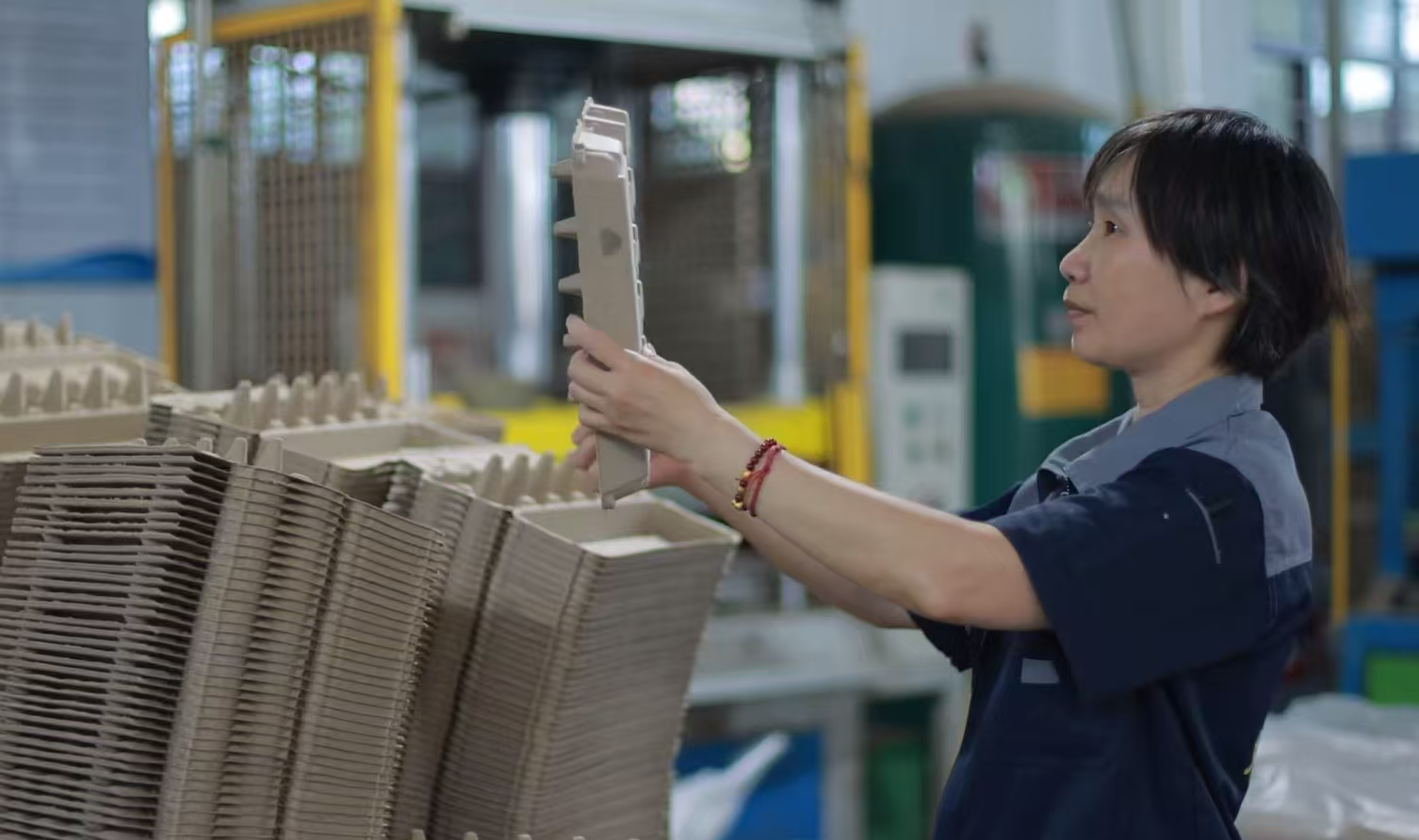
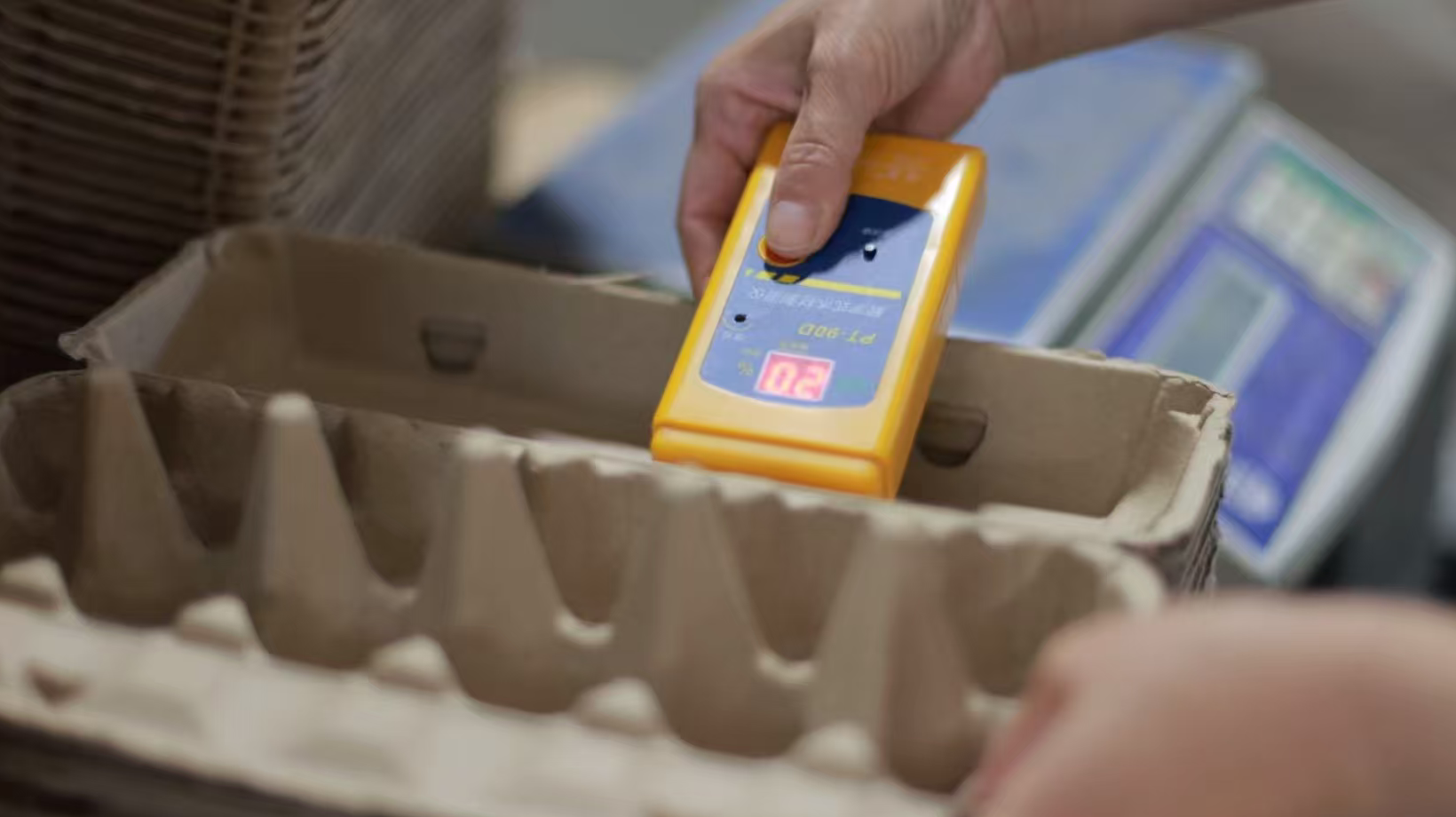
During production, real-time monitoring and full-inspection systems track key physical performance metrics to guarantee consistency and reliability. Critical checks include:
Load-Bearing Capacity: Trays are tested to withstand pressures of ≥5 kg per tray without deformation, ensuring stability during stacking and transport.
Rebound Rate: A ≥90% rebound rate after compression confirms optimal flexibility and shock absorption, preventing cracks under impact.
Structural Integrity: Automated systems monitor parameters like brittleness, water resistance, and dimensional accuracy to align with industry standards such as BB/T 0015-2021 for pulp-molded trays.
Manufacturers leverage OEM egg tray machines with automated sensors and data loggers to track these metrics continuously, minimizing human error and enabling immediate corrections.
📦 3. Third-Party Transportation Testing: Validating Real-World Performance
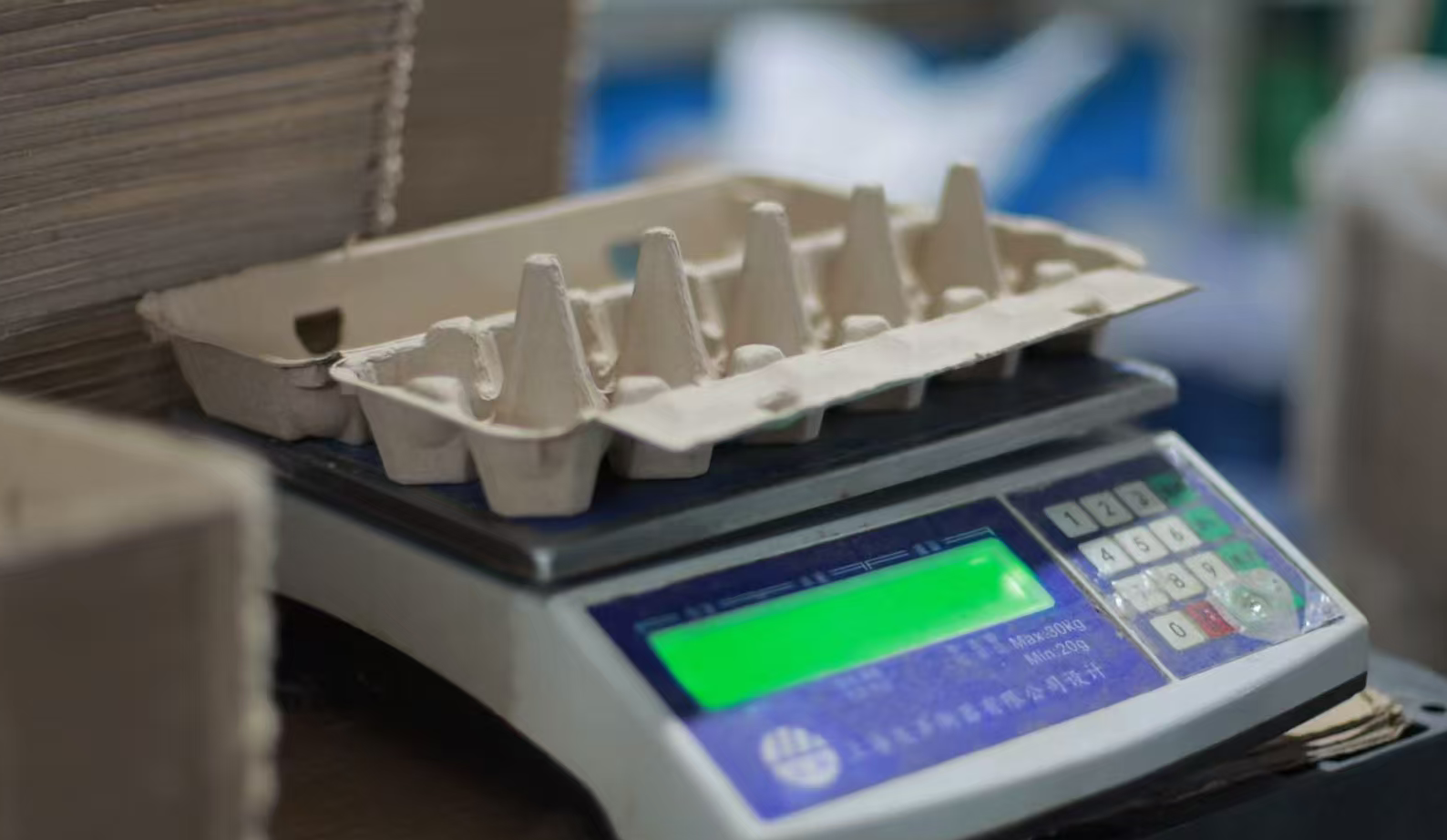
To objectively verify durability, reputable companies submit samples to independent testing labs for simulated transport scenarios. Key evaluations include:
Drop Tests: Trays are dropped from heights of 1.5 meters onto hard surfaces to simulate handling accidents, with pass/fail criteria based on zero egg breakage.
Vibration and Compression Tests: Using ISTA (International Safe Transit Association) protocols, labs replicate vibrations during truck transport and stack pressures in warehouses. Tests measure the tray’s ability to prevent damage under sustained stress.
These validations provide data-backed proof of performance, enhancing credibility for global clients who prioritize supply chain resilience.
✅ Building Trust Through Verifiable Quality
By integrating rigorous material selection, in-process controls, and independent verification, manufacturers can deliver egg trays that meet the highest standards of safety and functionality. This multi-layered approach not only reduces breakage and waste but also strengthens brand trust in competitive markets.