












Humidity is one of the most important environmental factors affecting molded pulp packaging during shipping. Because molded pulp is made from fiber, its performance can change when exposed to moisture during warehousing, port handling, sea transport, and final delivery. A tray that feels rigid and stable when it leaves the factory may soften, warp, or lose part of its dimensional consistency after long exposure to humid conditions. For import and export buyers, this means that packaging performance should never be judged only in dry sample-room conditions. The real question is whether the packaging can maintain protection when humidity becomes part of the logistics environment.
Material Absorption, Density, And Drying Quality Affect Humidity Resistance
The first factor is the packaging material itself. Different fiber systems, density levels, and drying conditions create different moisture responses. If the tray is not dried consistently or if the fiber structure retains too much residual moisture, it is more likely to change shape in humid conditions. Lower-density or less stable material may absorb moisture faster and lose rigidity sooner. This is why buyers should not only ask what pulp is used, but how the tray is dried and stabilized before shipment.
Humidity resistance begins in manufacturing. A properly dried molded pulp tray with controlled material density is usually more stable in shipment than one that simply looks acceptable on the surface. Buyers should also ask whether the supplier has experience shipping to humid markets or long sea routes. In real procurement, humidity resistance is not a marketing feature. It is a result of material control and process discipline.
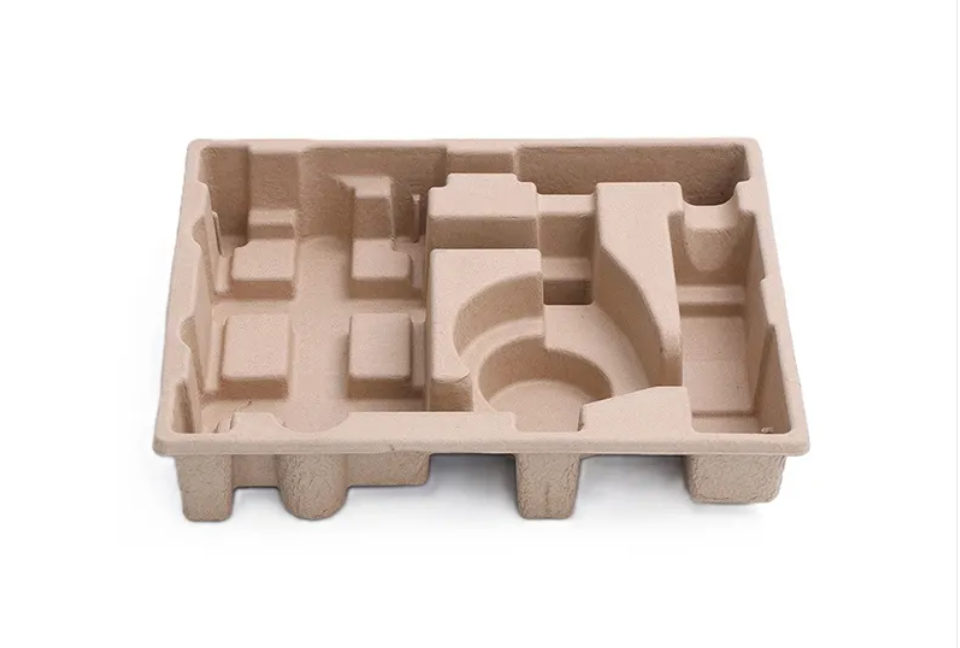
Export Packing And Container Conditions Can Increase Or Reduce Humidity Risk
The second factor is export packing. Even a well-made tray can perform poorly if the packing method allows moisture exposure during storage or shipment. Buyers should confirm whether molded pulp products are packed in a way that reduces moisture contact, whether cartons are suitable for long-distance transport, and whether pallets are wrapped or protected appropriately. If cartons weaken in humid conditions, the tray inside may also lose support and become more vulnerable to deformation.
Container conditions are equally important. Sea containers can experience large temperature swings, condensation, and long periods of closed humid air. Buyers should therefore consider how long the shipment will remain in transit and whether the packaging will sit in coastal warehouses or ports before final delivery. In humid shipping conditions, packaging performance depends on the whole logistics environment, not just the molded pulp tray alone.
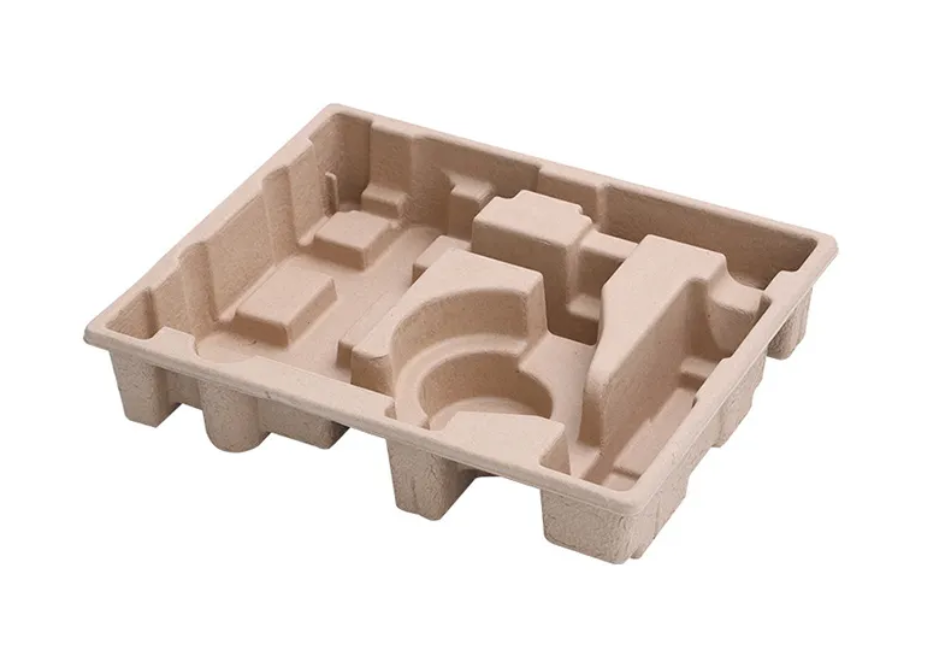
Storage Time, Compression, And Arrival Inspection Influence Final Usability
The third factor is what happens after shipment begins. The longer molded pulp packaging stays under humidity, the more important storage time and compression become. If trays are tightly nested, heavily stacked, or stored for extended periods after arrival, moisture-related softening may combine with compression and create more serious deformation. A tray that might recover under light storage conditions may fail under long-term pressure.
That is why buyers should plan arrival inspection as part of humidity-risk control. When goods arrive, the buyer should check carton condition, visible moisture signs, tray shape, nesting recovery, and fit consistency. If packaging has been exposed to humid shipping conditions, early inspection helps catch problems before the trays enter production use. For import buyers, good performance in humidity is not only about what leaves the supplier’s factory. It is also about how the product arrives and behaves in real warehouse conditions.
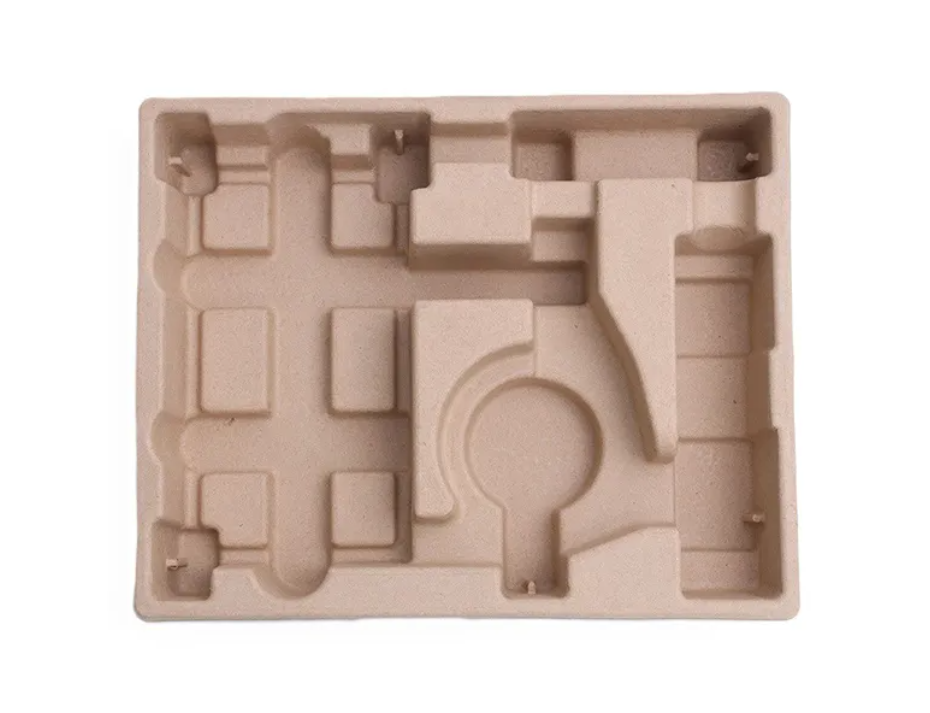
Packaging performance in humid shipping conditions is affected by material control, export packing, logistics environment, and post-arrival storage. Buyers who want reliable molded pulp packaging should evaluate humidity risk across the whole shipping chain, not just at the sample stage. This is the best way to reduce deformation, protect usability, and improve import confidence.