












Science of Freshness: Engineered Protection from Farm to Fridge
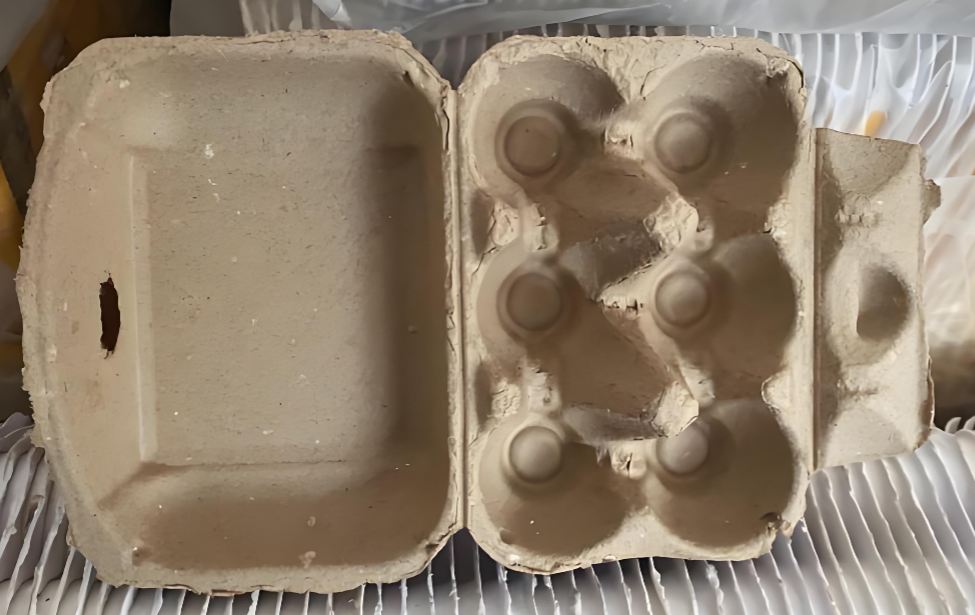
The primary function of an egg carton is preservation, and sustainable designs achieve this through intelligent engineering. Molded pulp egg cartons, like those produced by Suzhou Hanyang, are not mere containers; they are precision-designed ventilated packaging systems. The pulp molding process creates a naturally breathable structure that allows for optimal moisture and gas exchange. This controlled ventilation prevents the buildup of humidity and gases like ammonia around the eggshell, a critical factor in slowing microbial growth and maintaining the egg's natural protective bloom. Furthermore, the rigid yet resilient pulp structure provides superior impact resistance and shock absorption during transportation. Each egg is securely cradled in an individual cell, minimizing contact and preventing the transfer of cracks or damage—a phenomenon known as "domino effect" breakage. This combination of breathable protection and secure cushioning ensures eggs arrive at their destination with their structural integrity and freshness maximized, directly reducing food waste at the retail and consumer levels.
The Green Footprint: A Lifecycle Analysis from Pulp to Compost
The environmental superiority of sustainable egg cartons is measured across their entire lifecycle. Traditional plastic or polystyrene foam cartons are derived from fossil fuels and persist in landfills for centuries. In contrast, eco-friendly egg cartons from Suzhou Hanyang begin with recycled paper pulp or sustainably sourced virgin fibers, creating a product that is 100% biodegradable and compostable. The manufacturing process for molded pulp packaging itself is generally less energy-intensive than that for plastic foams. After use, these cartons complete a virtuous cycle: they can be recycled with paper products or, ideally, composted in industrial facilities, where they break down into nutrient-rich soil amendment within weeks, leaving no toxic residue. This circular economy model stands in stark contrast to the linear "take-make-dispose" model of plastics. By choosing these cartons, retailers and egg producers make a direct, verifiable contribution to carbon footprint reduction and waste diversion, aligning with consumer demand for plastic-free packaging and advancing corporate sustainability pledges.
Scalable Sustainability: Meeting Global Demand with Reliable Supply
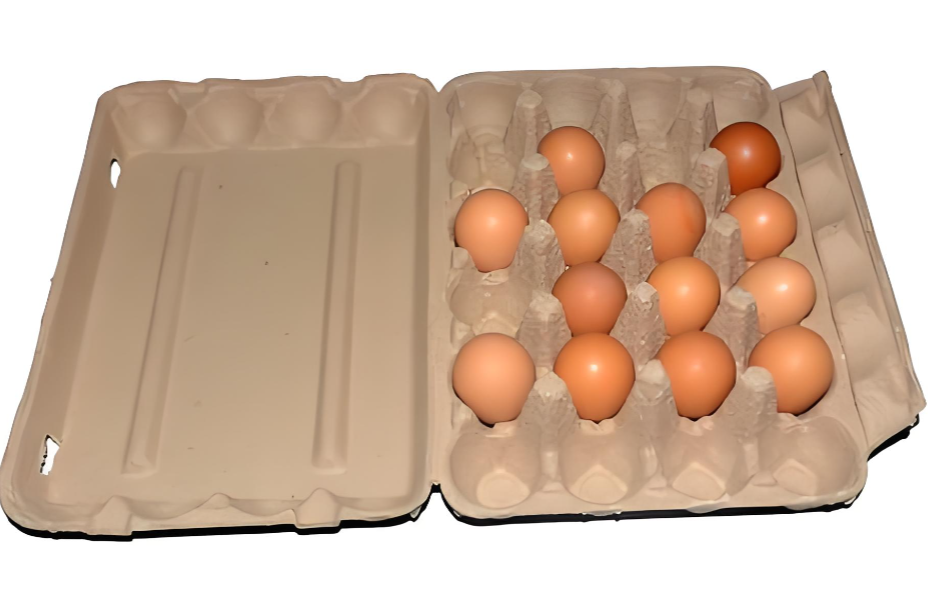
For sustainability to have a real-world impact, it must be viable at the scale of modern agriculture. Suzhou Hanyang bridges the gap between eco-innovation and commercial practicality. With over 10 automated production lines and a deep understanding of high-volume manufacturing, Hanyang can deliver the consistent quality and massive quantities required by large-scale egg producers and distributors. Their expertise in custom packaging solutions allows for branding, size variations, and specific functional enhancements. Crucially, their robust supply chain and efficient production processes ensure that switching to sustainable packaging does not mean compromising on reliability or cost-effectiveness. By providing a reliable eco-friendly packaging source that integrates seamlessly into existing filling and distribution lines, Hanyang empowers the food industry to make the green transition without operational disruption. This turns the ethical choice into a practical, scalable, and smart business decision, proving that environmental responsibility and supply chain efficiency are not mutually exclusive but are powerful drivers of modern, resilient agri-business.
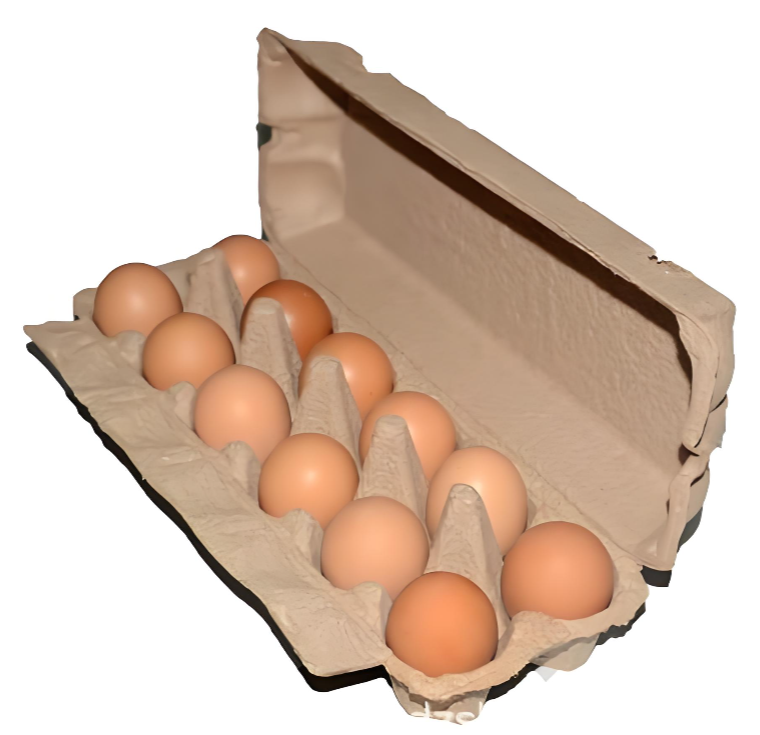
Sustainable molded pulp egg cartons represent a powerful convergence of food science, environmental stewardship, and supply chain logistics. They deliver superior protection that extends shelf life and reduces breakage, directly tackling food waste. Simultaneously, their biodegradable nature and circular lifecycle offer a tangible solution to plastic pollution and carbon emissions. As demonstrated by manufacturers like Suzhou Hanyang, this sustainability is now achievable at the scale and reliability demanded by the global market. Choosing these cartons is no longer just an eco-statement; it is a comprehensive strategy for ensuring product quality, meeting consumer expectations, future-proofing against regulatory shifts, and actively contributing to a healthier planet—one egg at a time.