












Risk Mitigation Through Production Redundancy and Flexibility
A supplier’s most critical vulnerability is a single point of failure. Relying on a sole production line exposes your supply chain to catastrophic disruption from unexpected events: a mechanical breakdown, a localized power outage, or a mandatory maintenance shutdown can bring all output to an immediate halt. Suppliers with multiple production lines, such as Hanyang with its 10+ automated lines, inherently possess production redundancy. This means if one line requires servicing or encounters an issue, production can be seamlessly re-routed to other lines, minimizing downtime. This built-in redundancy is a fundamental pillar of supply chain resilience. Furthermore, multiple lines often enable specialization and flexibility. Different lines can be configured for different molding processes (e.g., dedicated wet-press lines for high-precision, smooth-finish items and dry-press lines for high-volume standard products) or different product families. This allows the supplier to optimize production scheduling, dedicate a line to a complex, long-run order without disrupting smaller, quick-turn projects, and efficiently manage a diverse product portfolio. For the buyer, this translates to reliable order fulfillment and protection against the volatile disruptions that plague single-line operations.
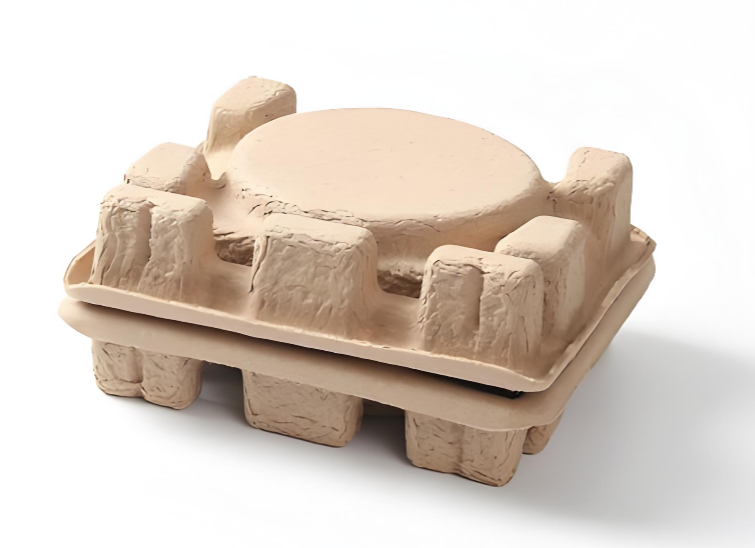
Scalability to Meet Fluctuating and Surge Demand
Market demand is inherently volatile. A sudden large order, a seasonal spike, or a new product launch can strain a supplier’s capacity to the breaking point. A single-line operation faces a binary choice: refuse the new business or dangerously delay all existing commitments. A multi-line supplier operates with inherent scalable capacity. They can ramp up production by activating idle lines, adding shifts to specific lines, or reallocating resources across the facility. Hanyang’s extensive infrastructure allows it to absorb demand surges without compromising on the lead times or quality of other client projects. This demand responsiveness is crucial for buyers who operate in fast-paced industries or who themselves face variable demand from their end customers. It provides the agility to capitalize on market opportunities without the fear of supply bottlenecks. Moreover, multiple lines facilitate better capacity planning and load balancing. Production managers can distribute orders efficiently to prevent any single line from becoming a bottleneck, ensuring smoother workflow and more predictable output. This creates a stable and responsive supply partnership where buyers can grow confidently, knowing their packaging supply can scale in lockstep with their business ambitions.
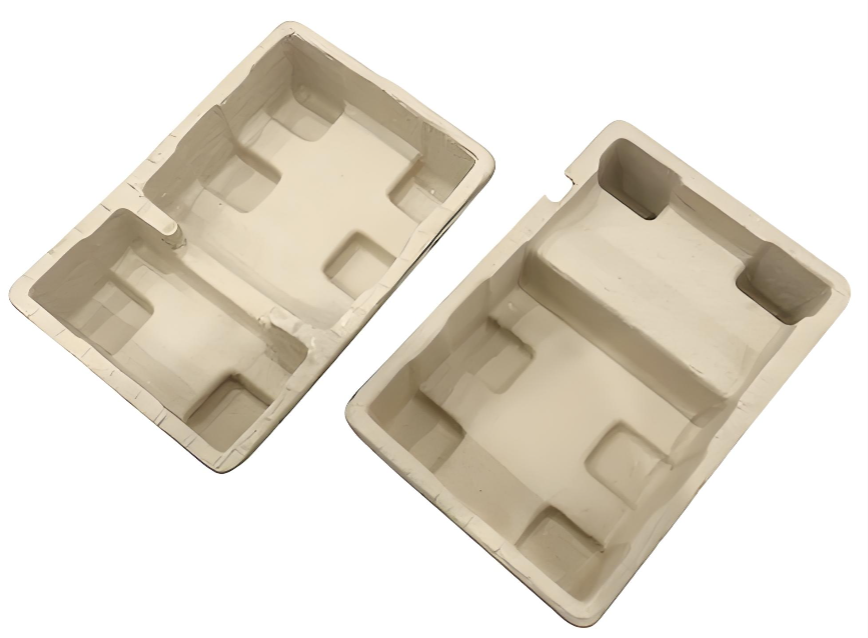
Enhanced Quality Control and Continuous Improvement
Resilience is not just about maintaining output volume; it’s about consistently maintaining high-quality standards under varying pressures. A single, overburdened production line increases the risk of quality deviations as operators rush and equipment is pushed beyond optimal parameters. A multi-line setup enables a more controlled and sustainable operational tempo. It allows for dedicated quality control protocols on each line and facilitates line-specific process optimization. For instance, a line producing high-precision ESD trays for electronics can be fine-tuned and monitored separately from a line producing heavy-duty automotive trays, ensuring each product receives focused attention. This compartmentalization also enhances traceability and problem containment. If a non-conformance issue arises, it can be isolated to a specific line and batch without halting the entire factory’s output. Furthermore, multiple lines provide a platform for continuous improvement and innovation. Suppliers can test new mold designs, material mixes, or process parameters on one line without disrupting mainstream production. This ability to experiment and refine processes in parallel with live production, as seen in advanced suppliers like Hanyang, fosters a culture of innovation that directly benefits buyers through product enhancements, cost optimization, and process breakthroughs.
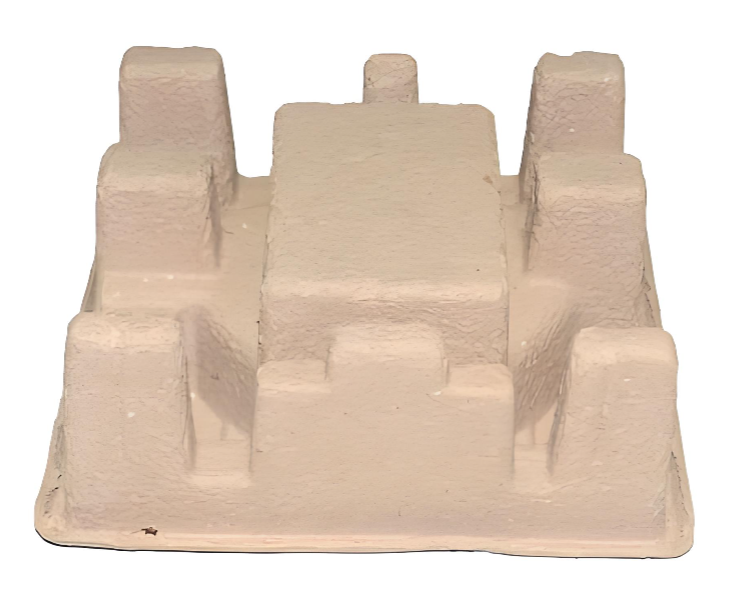
In today’s unpredictable global landscape, a supplier’s production infrastructure is a direct determinant of your supply chain’s robustness. Choosing a partner with multiple production lines is a strategic decision that invests in risk mitigation, scalable growth, and quality assurance. It moves the relationship from a transactional vendor agreement to a resilient partnership capable of absorbing shocks, seizing opportunities, and driving mutual improvement. For procurement professionals, a supplier’s factory floor—specifically the number and configuration of its lines—is not just an operational detail; it is a clear indicator of their commitment to reliability and their capacity to be a true, long-term extension of your own enterprise. Hanyang’s multi-line model exemplifies this, offering not just products, but the foundational stability required for business continuity and growth.