












Why Recycled Pulp Trays Are Revolutionizing Food Packaging
The Sustainable Lifecycle of Recycled Pulp
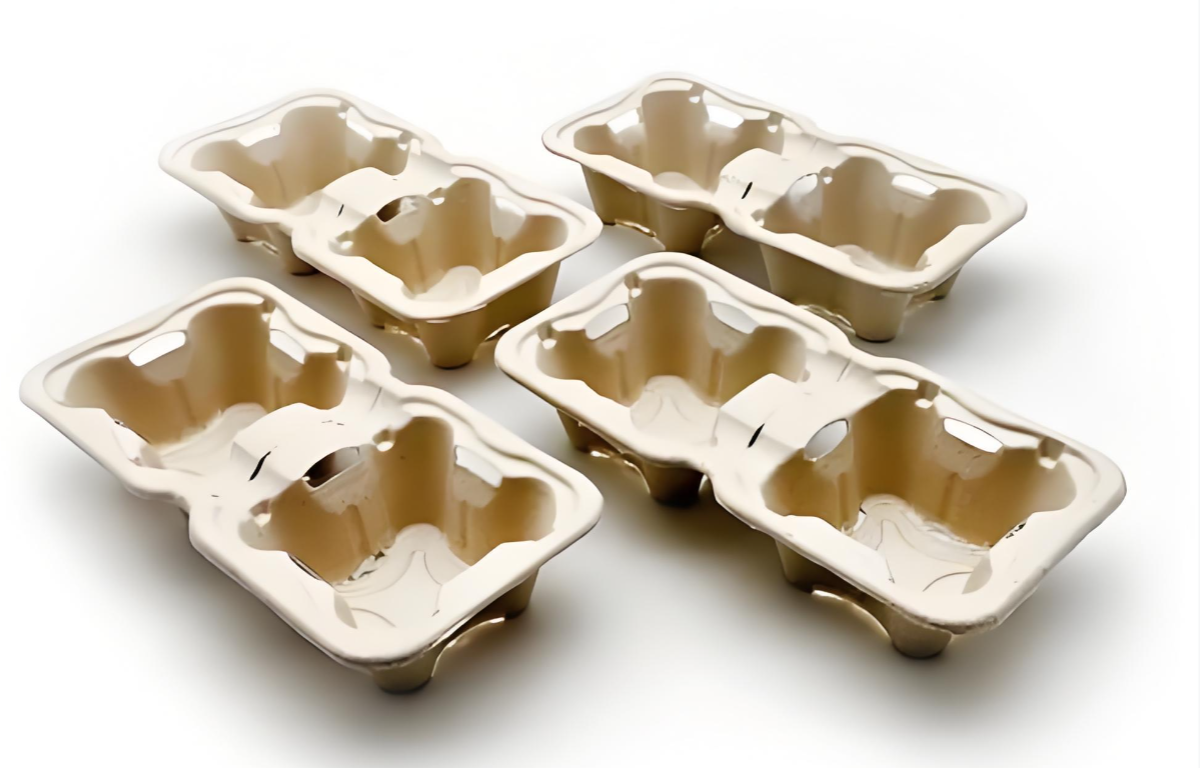
Recycled pulp trays represent a paradigm shift in food packaging, turning waste into a valuable resource while addressing the global plastic pollution crisis. Suzhou Hanyang Paper Plastic Products Co., Ltd. utilizes post-consumer paper waste—including A4 paper, corrugated cardboard, and newspaper—as raw materials for their food-grade trays. This process not only diverts waste from landfills but also requires significantly less energy compared to virgin plastic production. The company's food-grade pulp trays for eggs, fruits, and beverages undergo stringent safety certifications, ensuring they meet international standards for direct food contact.The transformation from discarded paper to sturdy, functional packaging demonstrates a perfect example of circular economy principles in action, where waste becomes food for new products rather than environmental pollution.
Superior Functionality Meets Environmental Responsibility
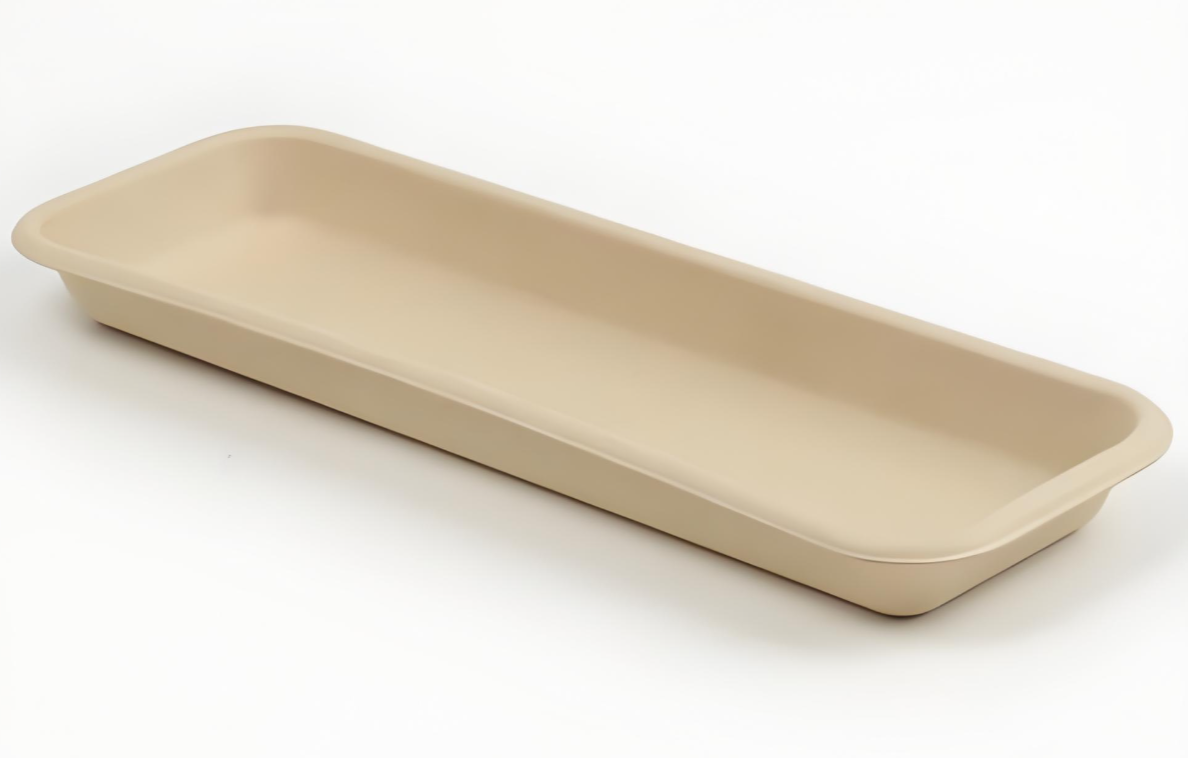
Beyond their environmental credentials, recycled pulp trays provide exceptional functional benefits that make them ideal for food packaging. Hanyang's engineering expertise ensures these trays offer excellent shock absorption—crucial for protecting fragile items like eggs during transportation—while their porous structure allows for natural breathability, extending the shelf life of fresh produce. The trays can be customized through various pressing techniques (wet/dry) to achieve specific strength and absorption properties for different food types. Unlike plastic alternatives, pulp trays are fully compostable, typically breaking down within 60-90 days in appropriate conditions, and leave no harmful residues. This combination of practical protection and end-of-life sustainability makes them particularly valuable for brands seeking to reduce their environmental footprint without compromising on product safety and quality.
Why Food Brands Are Making the Switch
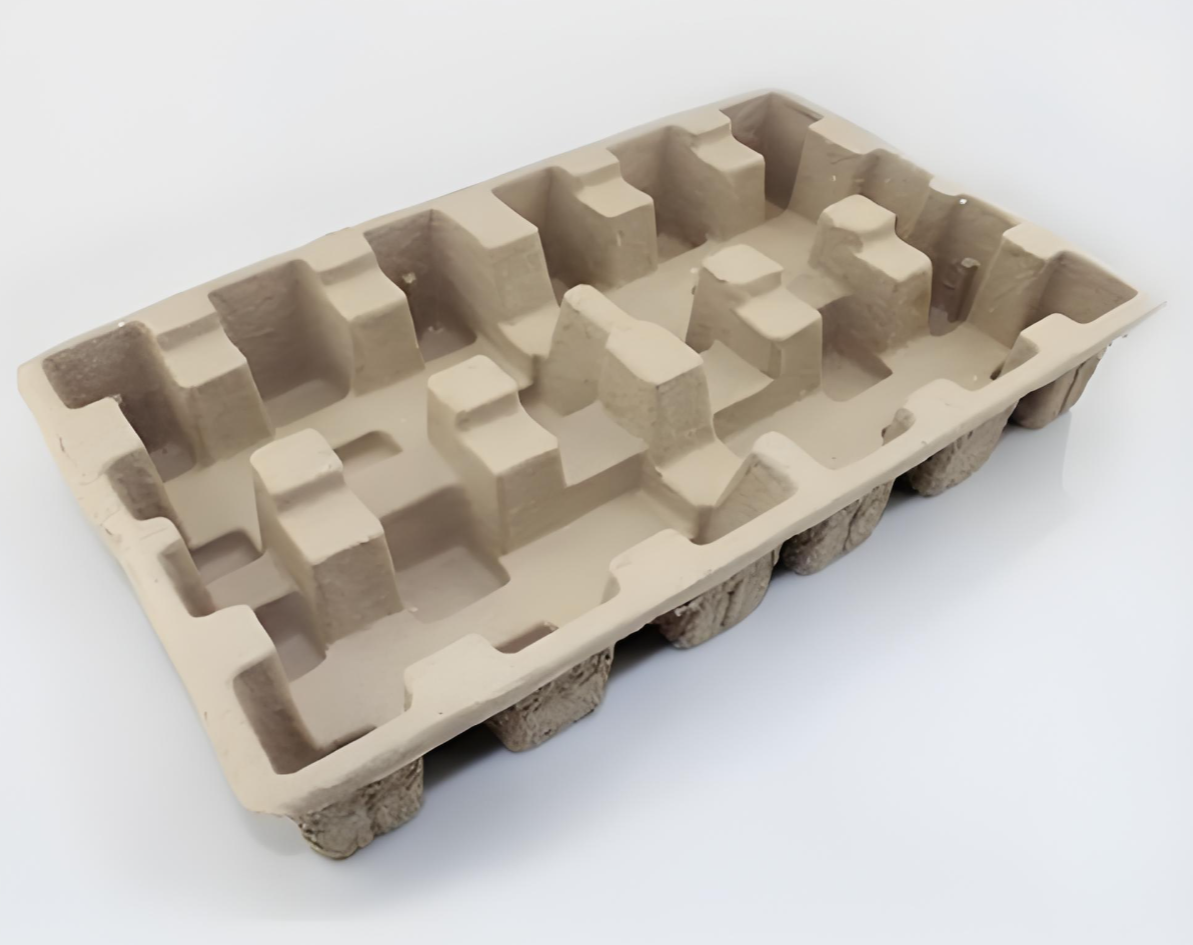
The food packaging industry is experiencing a fundamental transformation as major brands and retailers increasingly adopt recycled pulp trays. This shift is driven by multiple factors: consumer demand for sustainable packaging, regulatory pressures to reduce single-use plastics, and the economic advantages of lightweight, cost-effective solutions. Hanyang's experience with leading milk tea brands like HEYTEA and Mixue demonstrates how pulp trays can enhance brand image while meeting practical operational needs. The company's ability to produce customized designs with low minimum order quantities makes sustainable packaging accessible to businesses of all sizes. As supply chains become more environmentally conscious, recycled pulp trays offer a viable solution that aligns with both commercial objectives and ecological responsibilities, positioning early adopters for competitive advantage in an increasingly sustainability-focused marketplace.
Recycled pulp trays are revolutionizing food packaging by offering a sustainable alternative that doesn't compromise on functionality or safety. They represent the convergence of environmental responsibility, practical innovation, and market-ready solutions that address the most pressing challenges in modern food distribution. As pioneers in this field, Suzhou Hanyang is helping to shape a future where packaging protects both products and the planet.