












The Shock-Absorbing Science Behind Hanyang's Egg Trays
Engineering Resilience: The Strategic Architecture of Molded Pulp
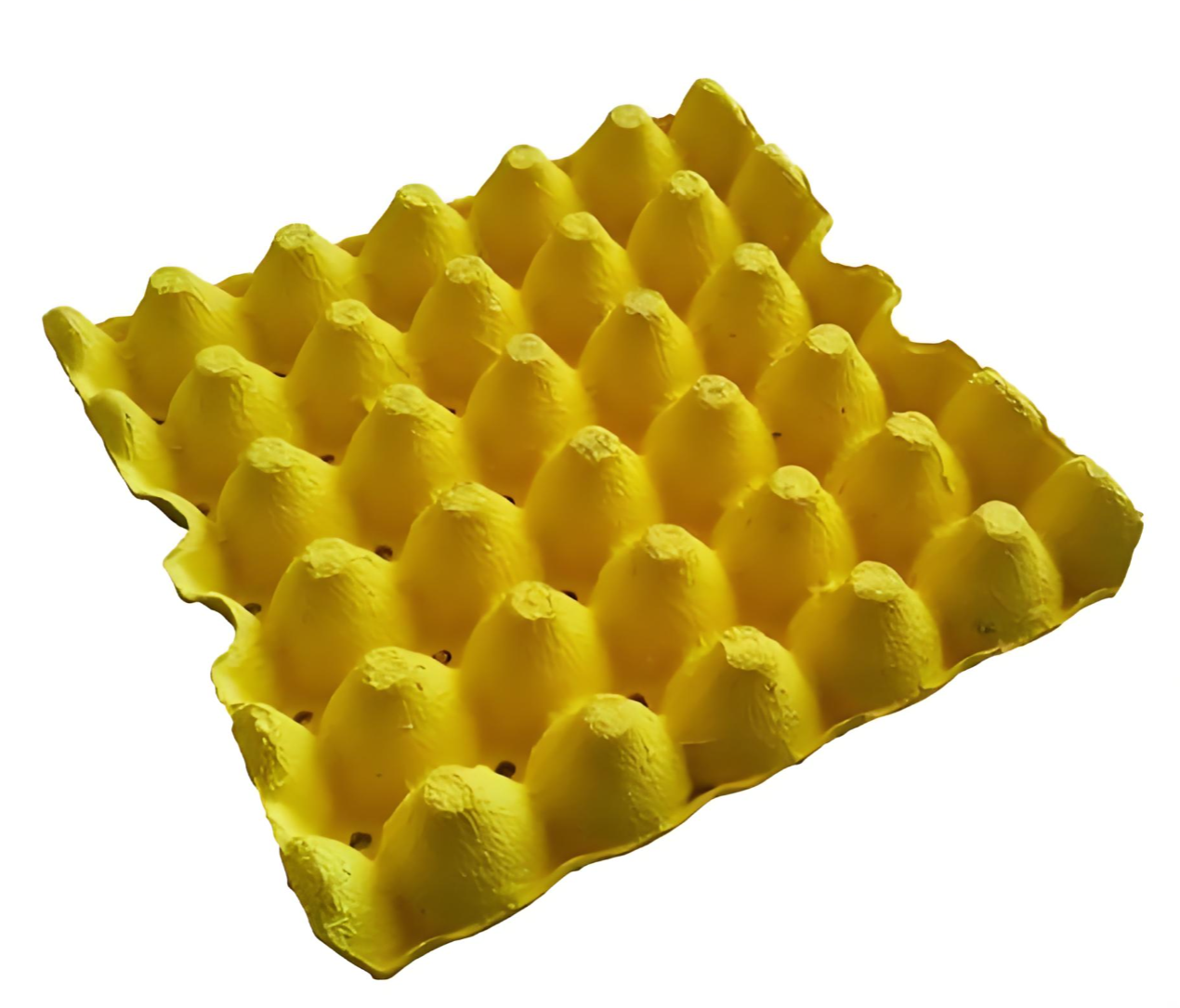
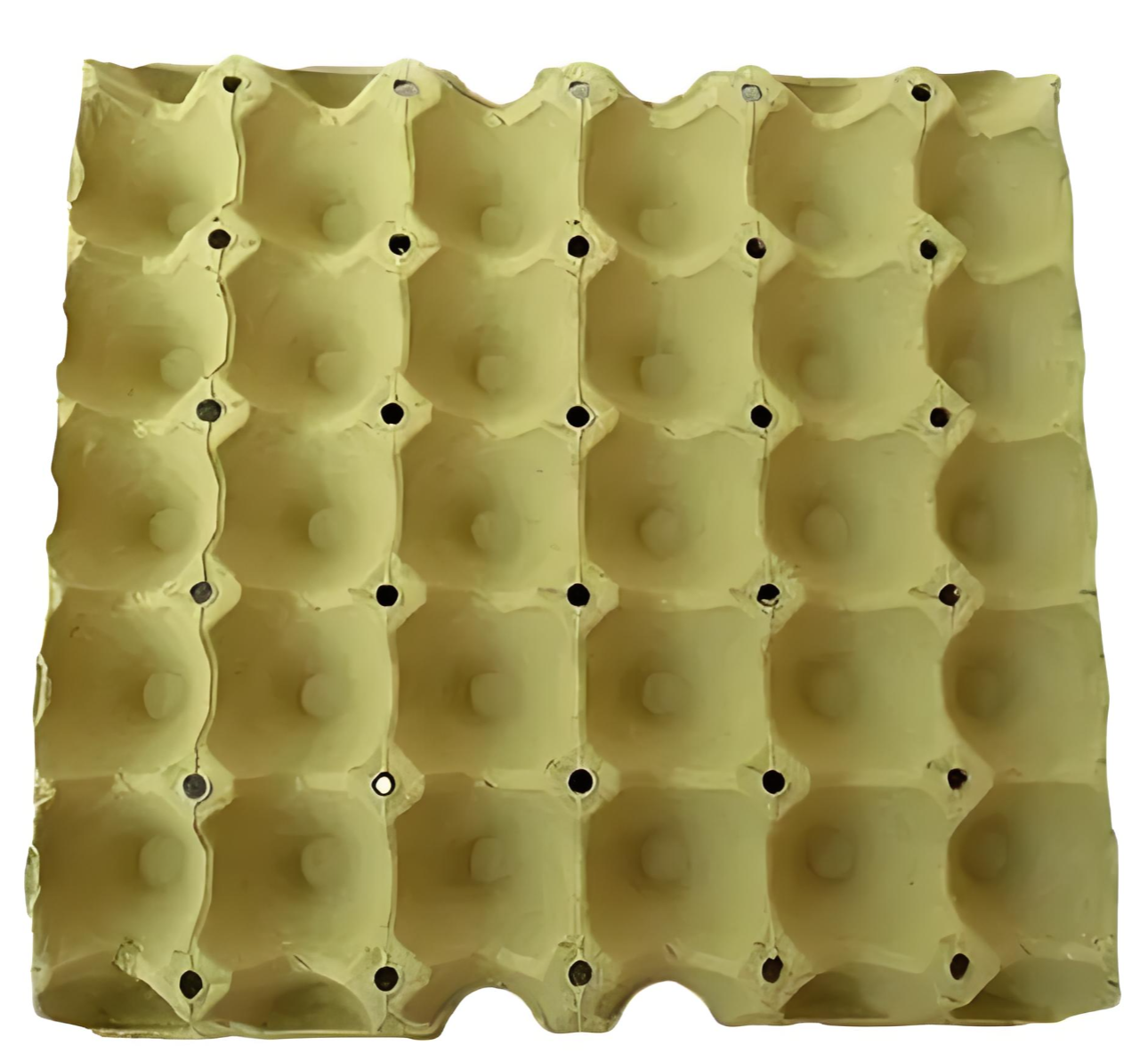
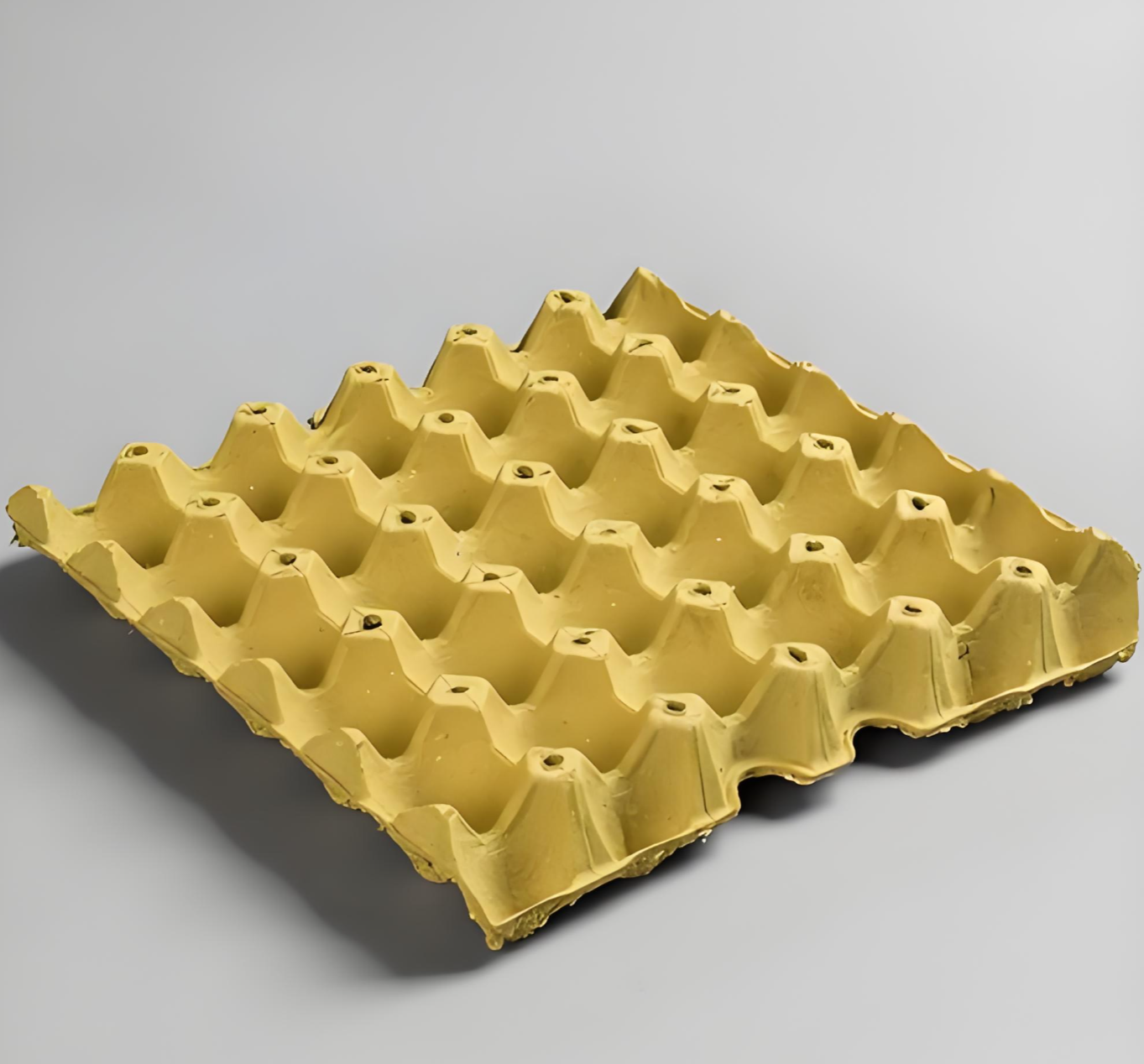
At first glance, Hanyang's egg trays appear to be simple containers. In reality, they are a product of meticulous engineering, where geometry and material science converge to create a formidable protective system. Each tray is composed of a complex network of precisely engineered, dome-shaped cavities connected by a web of sturdy ribs. This three-dimensional honeycomb-like structure is the first line of defense. When external pressure or impact force is applied, this architectural matrix is designed to deform and absorb energy across its entire surface, rather than concentrating it on a single point. The deep, contoured cavities cradle each egg snugly, preventing lateral movement and contact that could lead to cracking. This strategic use of form – the careful angling of walls, the strategic thickness gradients, and the interconnected ribbing – transforms the humble paper pulp from a passive material into an active, energy-dissipating structure, ensuring forces are distributed and neutralized before they reach the fragile shell within.
Material Mastery: The Dynamic Response of Recycled Pulp
The structural genius of Hanyang's trays is perfectly matched by the dynamic properties of its core material: 100% recycled paper pulp. This is not a rigid, brittle substance, but a sophisticated composite with inherent viscoelastic characteristics. Under sudden impact, the fibrous network of the pulp flexes, compresses, and rebounds in a controlled manner. This behavior, a form of hysteresis, allows the material to convert a significant portion of destructive kinetic energy from shocks and vibrations into harmless, dissipative heat energy. Hanyang achieves this optimal performance through strict sourcing of quality recycled paper and a proprietary pulping and molding process. The result is a material that is both strong enough to maintain its shape under stacking loads, yet yielding enough to "give" under impact, acting as a highly effective, natural cushion. This combination of structural integrity and material compliance ensures that eggs are isolated from the harsh forces encountered during transit, from sudden stops to constant road vibrations.
From Lab to Logistics: Validating Protection in Real-World Transit
The science of protection is meaningless without empirical validation. Hanyang subjects its egg trays to a battery of rigorous laboratory tests that simulate the grueling conditions of real-world logistics. Standardized drop tests from various heights and angles measure the tray's ability to withstand sudden impacts. Compression tests evaluate its stacking strength, ensuring stability in palletized transport. Vibration table tests replicate the constant, low-amplitude shaking experienced during truck or rail shipments, assessing the tray's ability to prevent cumulative damage from abrasion and fatigue. Hanyang's design consistently excels in these trials, thanks to the synergy between its engineered form and responsive material. The final, most critical test occurs in the field, where the trays prove their worth by delivering eggs from farm to supermarket shelf with a demonstrably lower breakage rate. This end-to-end verification process transforms theoretical shock-absorption into a reliable, quantifiable guarantee of product integrity for global supply chains.
In conclusion, the exceptional shock-absorption of Hanyang's egg trays is no accident. It is the deliberate outcome of a scientific approach that harmonizes three core elements: intelligent structural architecture, the optimized viscoelastic response of recycled pulp, and relentless real-world performance validation. This triad operates in concert to create a protective ecosystem that is both simple in its natural composition and sophisticated in its performance. More than just a container, Hanyang's egg tray is a testament to how thoughtful engineering applied to sustainable materials can solve a fundamental logistical challenge—delivering fragility with resilience—while upholding an unwavering commitment to environmental responsibility.