












Scaling molded pulp packaging across multiple SKUs is a common challenge for buyers managing broader product lines, family packaging programs, or export collections with similar but not identical items. A packaging project that works for one SKU may become difficult and expensive if every new variation requires a completely different development path. That is why buyers should think about scalability from the beginning. A scalable molded pulp packaging project is not only one that protects a product well. It is one that can expand across related products with manageable tooling cost, consistent design logic, and operational efficiency. In long-term procurement, scalability often determines whether the packaging strategy remains practical as the product range grows.
Shared Packaging Logic Makes Multi-SKU Expansion More Efficient
The first factor that makes a project scalable is shared packaging logic. If multiple SKUs belong to the same product family, buyers should look for common support principles, shared packing methods, and repeated carton concepts. Even if the products are not identical, their packaging may still be built around the same structural idea. For example, main load-bearing zones, accessory positions, and carton stacking logic can often be standardized across related items.
This helps reduce development complexity because each new SKU does not begin from zero. Instead, the supplier can adapt an established packaging architecture. Buyers should therefore identify which packaging features truly need to be customized and which can remain common. The more logic can be standardized, the easier it becomes to scale the project without creating excessive variation in structure or process.
Tooling Strategy And Tolerance Planning Affect Expansion Cost
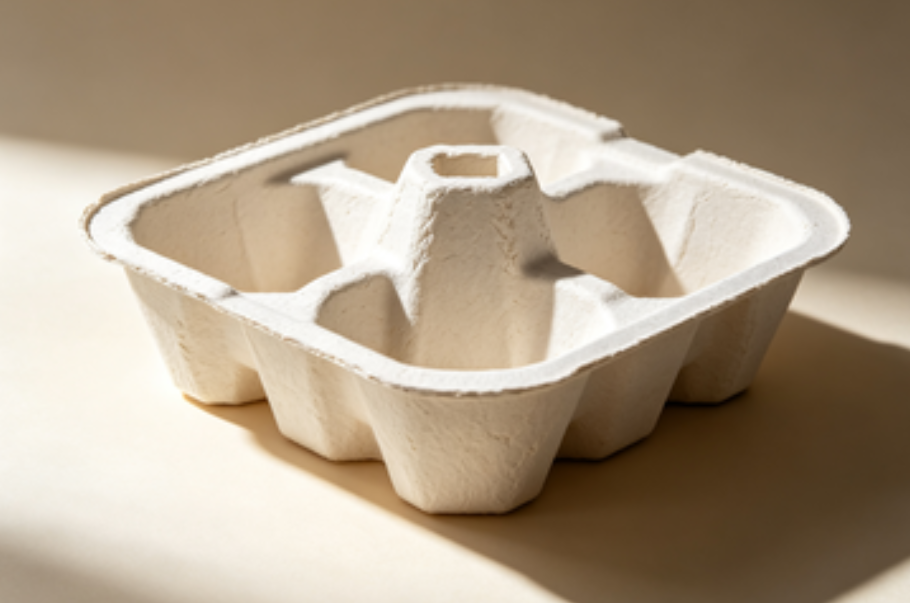
The second factor is tooling strategy. If every new SKU requires a completely independent mold with no shared design discipline, scaling quickly becomes expensive. Buyers should work with suppliers who understand modular thinking, dimensional family planning, and how to reuse proven structural elements where possible. While each SKU may still need its own tooling, the total project becomes easier to manage when development is guided by a shared framework.
Tolerance planning is equally important. Products in the same family often differ only slightly in size or feature detail. If the packaging project is designed without considering that variation, each new SKU may require disproportionate redesign. Buyers should therefore assess whether the structure can absorb some dimensional difference intelligently while still maintaining fit and protection. Scalable packaging is usually built with controlled flexibility rather than absolute rigidity.
Operational Consistency Across SKUs Supports Better Long-Term Management
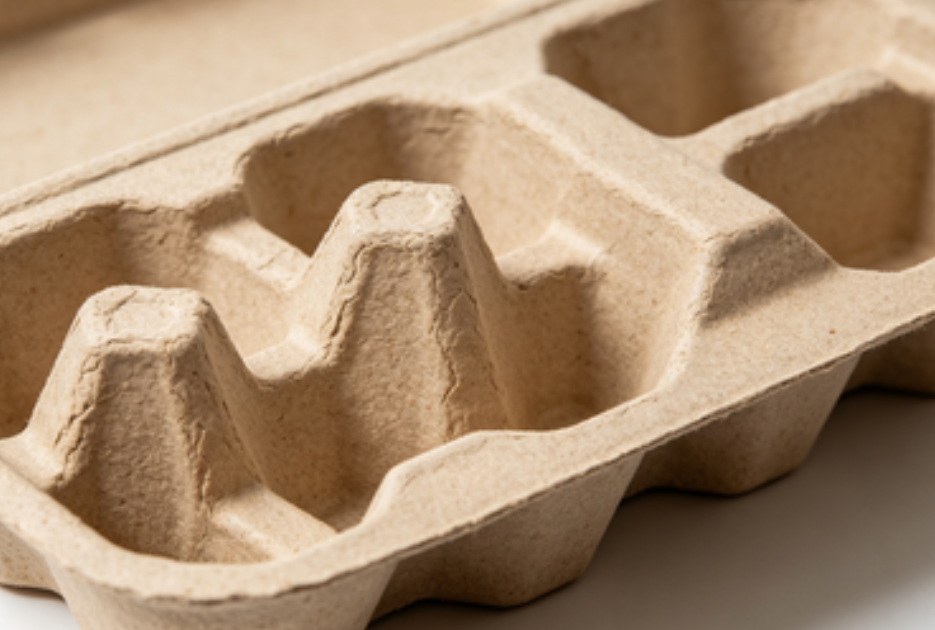
The final factor is operational consistency. A scalable molded pulp packaging project should not force the factory or packing team to relearn the system every time a new SKU is introduced. If tray orientation, packing sequence, carton logic, and quality criteria remain broadly consistent, training becomes easier and error rates stay lower. Buyers should therefore consider not only engineering scalability but also how the packaging family will be used in real operations.
This is where scalable projects create the most long-term value. When multiple SKUs share packaging logic, tooling philosophy, and packing rhythm, the buyer gains better control over procurement, inventory, training, and repeat-order management. A project becomes easier to scale not when every SKU has the most custom design, but when the overall packaging strategy is built to grow without becoming chaotic.
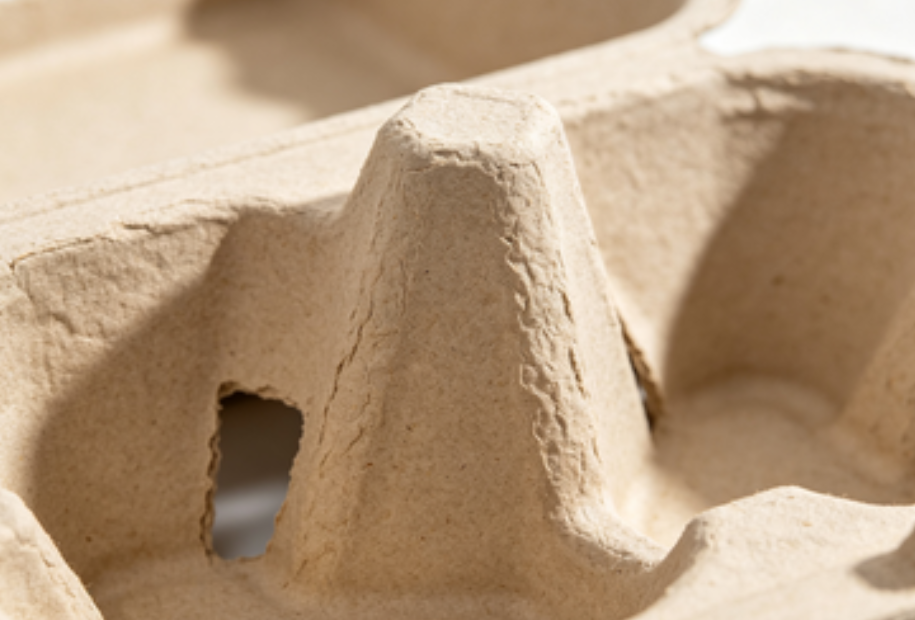
A molded pulp packaging project becomes easier to scale across multiple SKUs when it uses shared packaging logic, controlled tooling strategy, and operational consistency. Buyers who plan for scalability early usually achieve lower development cost, simpler management, and better long-term packaging performance. In growing product lines, scalable packaging is a strategic advantage, not just a design preference.