












The Versatility of Pulp Packaging
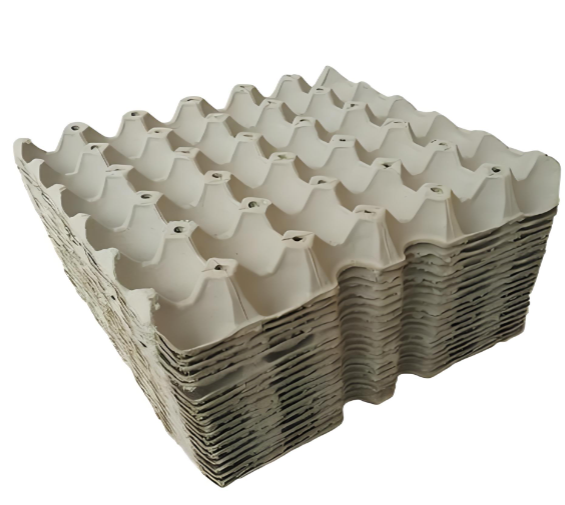
When people think of paper pulp packaging, the humble egg carton often comes to mind. While this is a classic example, it barely scratches the surface of what this remarkable material can achieve. The true power of pulp molding lies in its incredible versatility. Suzhou Hanyang Paper Plastic Products Co., Ltd. exemplifies this by producing an astonishingly wide range of products from the same sustainable base material. Through a combination of custom mold design and advanced manufacturing techniques, they create packaging solutions that are as diverse as the industries they serve. This adaptability means that the same fundamental process that produces a simple tray can be engineered to protect a fragile smartphone, a delicate cosmetic bottle, a heavy automotive component, or a sensitive electronic circuit board. The ability to shape paper pulp into virtually any form makes it a universal packaging language, speaking to the needs of electronics, cosmetics, food and beverage, and industrial goods with equal proficiency. This versatility is the first clue that pulp packaging is not a niche product but a mainstream solution.
How Customization Drives Function
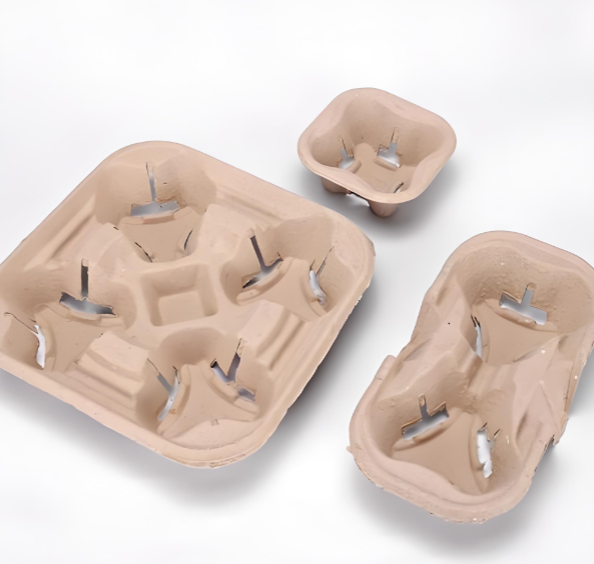
The versatility of pulp packaging is not accidental; it is engineered through precision and expertise. The heart of this process is the custom mold. Hanyang's experience in developing over 500 sets of molds allows them to create packaging with a perfect, snug fit for any product geometry. This custom-fit design is paramount for shock absorption, as it immobilizes the item, preventing damage from impacts and vibrations during shipping. Beyond physical shape, the functionality is further tailored through specific manufacturing processes. The choice between wet-press and dry-press techniques, for instance, allows for the creation of trays with different densities, surface finishes, and strengths. A wet-pressed tray, with its smooth, dense surface, is ideal for high-end cosmetic packaging or sensitive liquid crystal displays. A dry-pressed tray, with its more porous and resilient structure, might be perfect for fruit pads or industrial cushioning. Additionally, the pulp mixture itself can be enhanced with additives to provide anti-static protection for electronic components or anti-corrosion properties for metal automotive parts. This level of engineering adaptability ensures that the packaging is not just a container but an active, functional component of the product's safety system.
The Scope of Protection
The practical evidence of pulp packaging's versatility is visible across the entire spectrum of the consumer and industrial markets. A walk through Hanyang's product portfolio is a tour through modern commerce. In the electronics sector, precision trays securely cradle mobile phones, computer accessories, and wearables. For home electrical appliances, custom pulp holders protect everything from small kitchen gadgets to larger audio equipment speakers. The food and beverage industry relies on it for safe transportation of eggs, fruits, and wine bottles. Even niche applications are covered, including shoe supports (trees), furniture edge protectors, and cosmetic palettes. This wide-ranging versatility provides a significant strategic advantage for brands and suppliers. It means that a business working with multiple product lines can standardize its packaging philosophy around a single, sustainable material. This simplifies sourcing, strengthens brand consistency around sustainability, and reduces the complexity of waste management. The ability of one material system to provide certified, high-performance protection for such a vast array of items is what sets pulp packaging apart, proving that simplicity and adaptability are the ultimate sophistication.
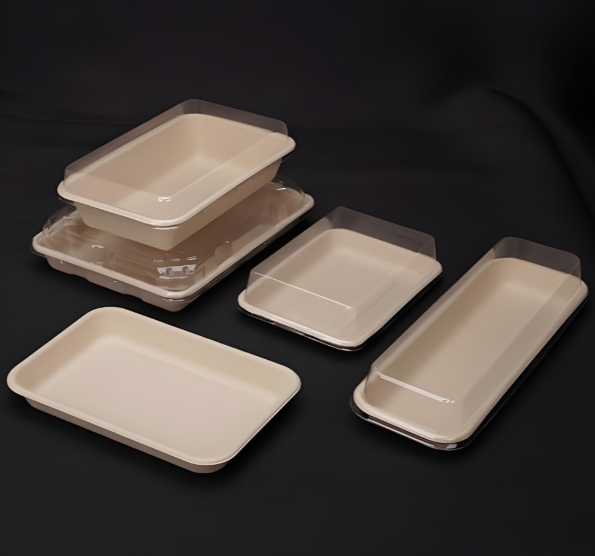
The versatility of pulp packaging is its defining characteristic. It is a chameleon-like material that adapts to the exact needs of the product it protects, from the simplest to the most complex. Companies like Hanyang have mastered the art and science of harnessing this versatility, offering everything from cost-effective recycled pulp solutions to high-performance virgin pulp trays for the most demanding applications. This one-material-fits-all approach does not imply compromise; rather, it signifies a unifying solution for a fragmented packaging world, proving that the most effective answers are often the most adaptable and widely applicable ones.