












The Tech Behind High-Performance Pulp Trays
At first glance, a paper tray might seem like a simple product. However, the journey from a pile of paper pulp to a high-performance, custom-fit protective solution is one of sophisticated engineering and precise manufacturing. Suzhou Hanyang Paper Plastic Products Co., Ltd. leverages 25 years of experience to master this process, transforming basic materials like virgin pulp, waste paper pulp, and wood pulp into robust packaging. The foundation of this transformation is pulp molding, a highly adaptable manufacturing method. It begins with the creation of a slurry, where water and fibrous materials are mixed. This slurry is then suction-formed over intricate, custom-designed molds that define the final product's exact shape and structural details. The choice of raw material is crucial, as it determines the tray's fundamental properties, such as strength, texture, and environmental footprint. This initial stage sets the groundwork for creating a product that is far more complex and capable than its humble appearance suggests.
Wet-Press vs. Dry-Press Techniques
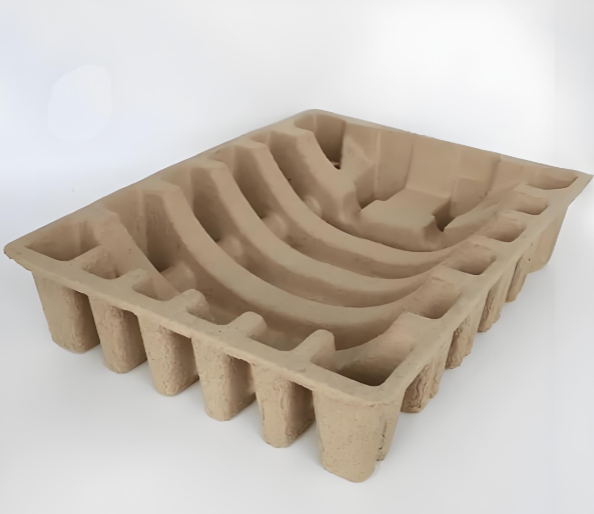
The core of achieving high performance lies in the dewatering and drying stages, primarily distinguished by two advanced techniques: wet-press and dry-press. These are not merely different steps but represent different philosophies in pulp molding, directly impacting the final product's quality and application. The wet-press technique involves removing a significant amount of water from the newly formed pulp piece under high pressure and heat while it is still on the molding wire. This results in a denser, smoother, and stronger tray with superior surface detail and dimensional accuracy. It is the preferred method for high-end electronics, cosmetics, and medical device packaging where a premium finish and precise fit are non-negotiable. In contrast, the dry-press technique involves transferring the wet pulp piece to a separate drying oven. This process is generally faster and more cost-effective, producing trays that are slightly thicker and have a more textured, "natural" feel. It is ideal for applications like egg trays, fruit pads, and industrial cushioning where extreme surface smoothness is less critical. Hanyang's ability to offer both methods provides clients with the flexibility to choose the optimal balance of cost, performance, and aesthetics for their specific products.
Customization and Functional Enhancements
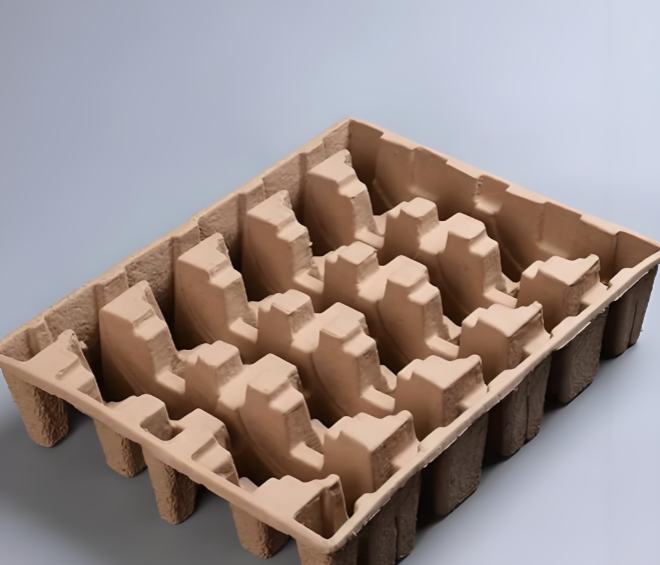
The technological prowess of a pulp molding specialist is truly tested by its capacity for customization and functional enhancement. This is where Hanyang's expertise, evidenced by the development of over 500 sets of molds, becomes a critical advantage. The mold is the heart of the operation, and its precision engineering allows for the creation of trays that provide a perfect, snug fit for everything from delicate mobile phone components and liquid crystal screens to heavy electrical appliance parts. This custom-fit design is paramount for superior shock absorption, as it immobilizes the product, preventing damaging movement during transit. Beyond physical shape, the technology allows for functional enhancements through additives and treatments during the pulping stage. For instance, anti-static agents can be integrated to protect sensitive electronic circuits from electrostatic discharge (ESD). Similarly, anti-corrosion treatments can be applied to safeguard metal components. The entire manufacturing process, supported by 10 forming machines and 10 shaping machines, is streamlined for efficiency, enabling a remarkably short 3-day sample turnaround. This speed and flexibility ensure that high-performance pulp trays are not just a theoretical ideal but a practical, accessible solution for businesses needing reliable packaging quickly.
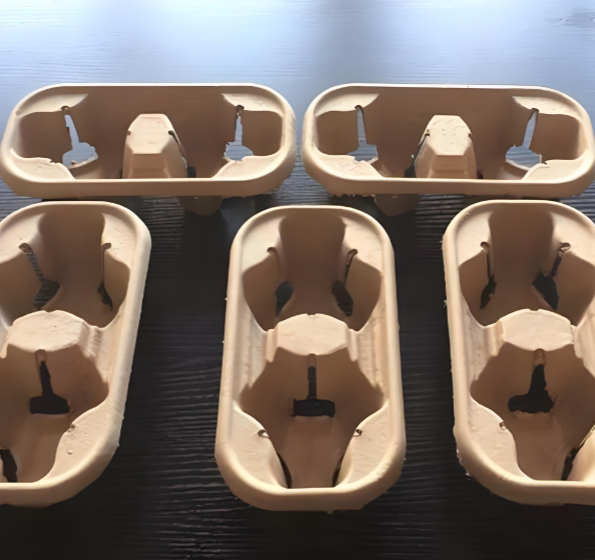
The humble paper tray is, in fact, a product of advanced manufacturing technology. Through the precise application of pulp molding techniques like wet-pressing and dry-pressing, coupled with deep expertise in custom mold design and functional enhancements, companies like Hanyang transform basic paper fibers into high-performance packaging solutions. This technology delivers the trifecta of modern packaging needs: uncompromising product protection, significant environmental benefits, and scalable economic efficiency. It proves that true innovation lies not in complexity, but in the intelligent application of science to create simple, effective, and sustainable answers to complex challenges.