












The Science Behind Shockproof Molded Pulp for Fragile Devices
Material Composition: The Foundation of Impact Resistance
Molded pulp packaging utilizes a carefully engineered blend of recycled paper fibers, water, and specialized additives to create a structure that is both lightweight and robust. The unique composition allows for a high degree of customization, enabling manufacturers to adjust the density, thickness, and fiber orientation to meet specific impact resistance requirements. Through advanced pulping and molding processes, the material forms a multi-layered matrix that acts as a natural shock absorber. This matrix distributes external forces across a wider surface area, significantly reducing the peak stress on the protected device. The result is a packaging solution that can withstand the rigors of shipping and handling, ensuring that fragile electronics, glassware, and precision instruments arrive at their destination unscathed.
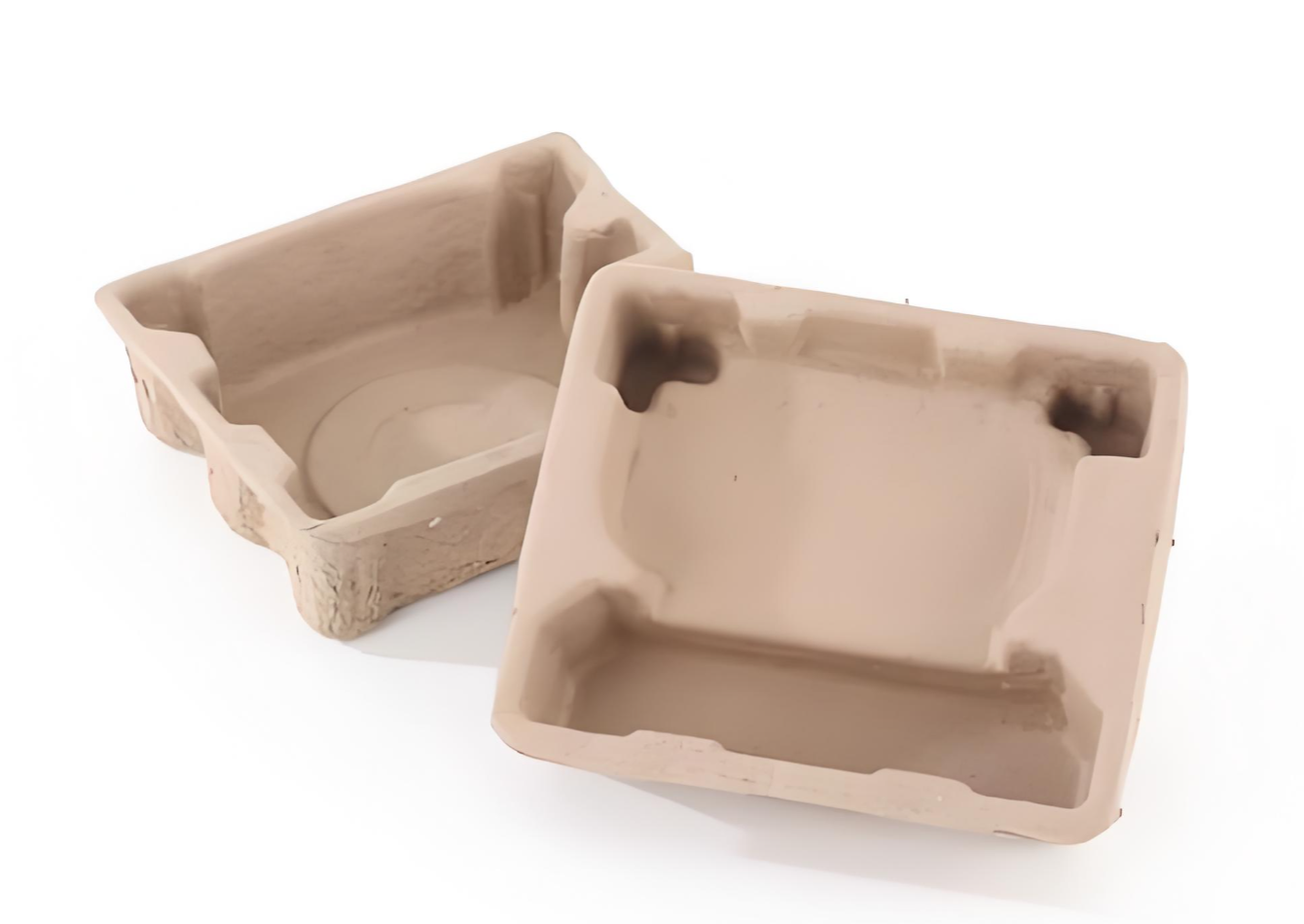
Structural Engineering: Design Principles for Maximum Protection
The protective capabilities of molded pulp are not solely derived from the material itself but are also a function of intelligent structural design. Engineers employ principles of mechanical engineering to create packaging with strategic geometries, such as honeycomb patterns, ribbed sections, and contoured cavities. These features are designed to absorb and dissipate kinetic energy through controlled deformation, preventing it from being transferred to the fragile contents. The design process often involves sophisticated computer simulations, including Finite Element Analysis (FEA), to predict how the packaging will perform under various impact scenarios. This scientific approach ensures that every curve, angle, and thickness is optimized to provide the highest level of protection for the specific product it is designed to hold.
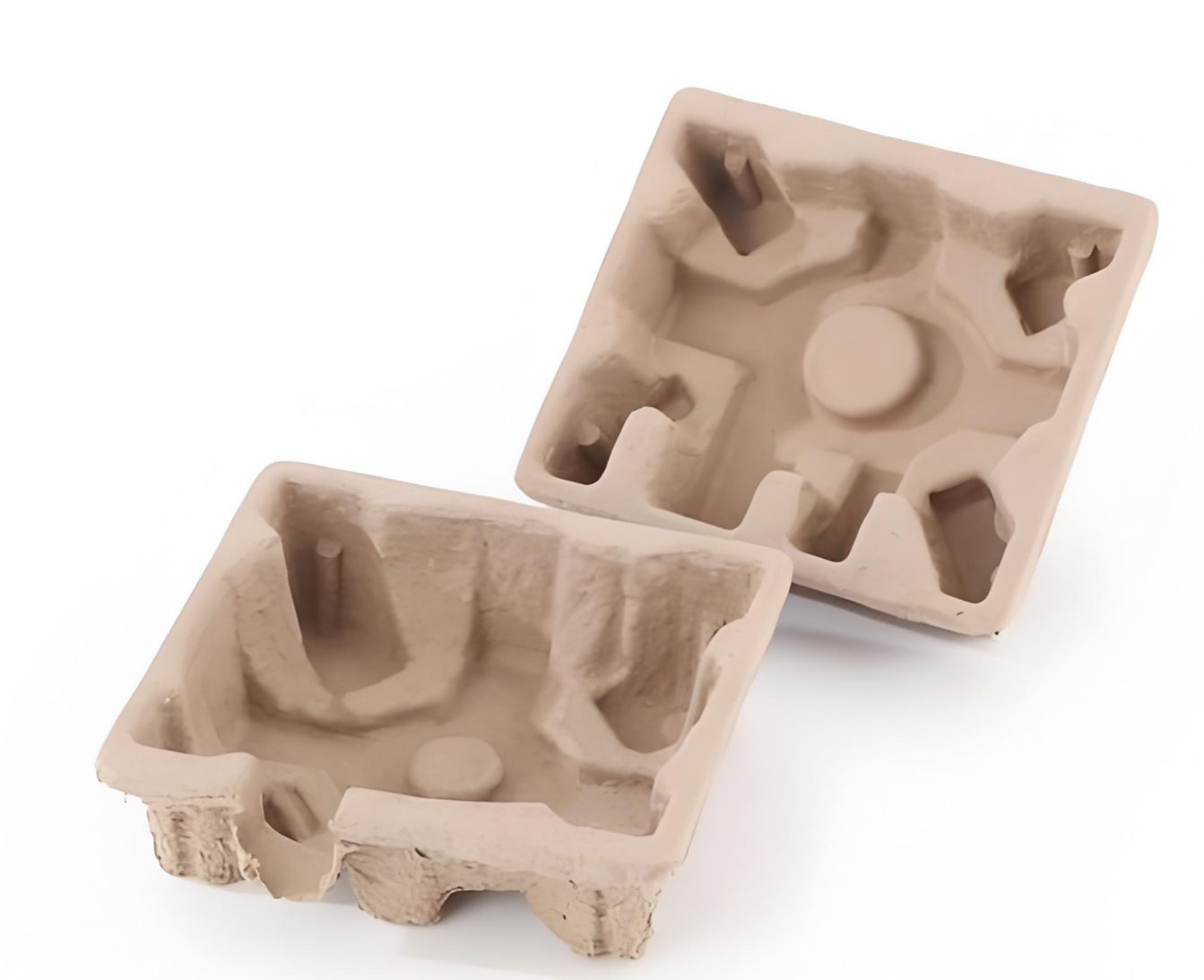
Testing and Validation: Ensuring Reliability Through Scientific Methods
The efficacy of any shockproof packaging solution must be rigorously validated through standardized testing protocols. Organizations like Centre Testing International (CTI) play a critical role in this process, conducting a battery of tests to evaluate the performance of molded pulp materials. These tests include drop tests, vibration tests, compression tests, and climate conditioning to simulate real-world logistics environments. The data collected from these tests provides objective metrics, such as the G-factor (shock absorption efficiency) and cushion curves, which are essential for verifying the packaging's ability to protect sensitive devices. This commitment to scientific validation ensures that molded pulp packaging meets the stringent requirements of industries ranging from consumer electronics to medical devices.
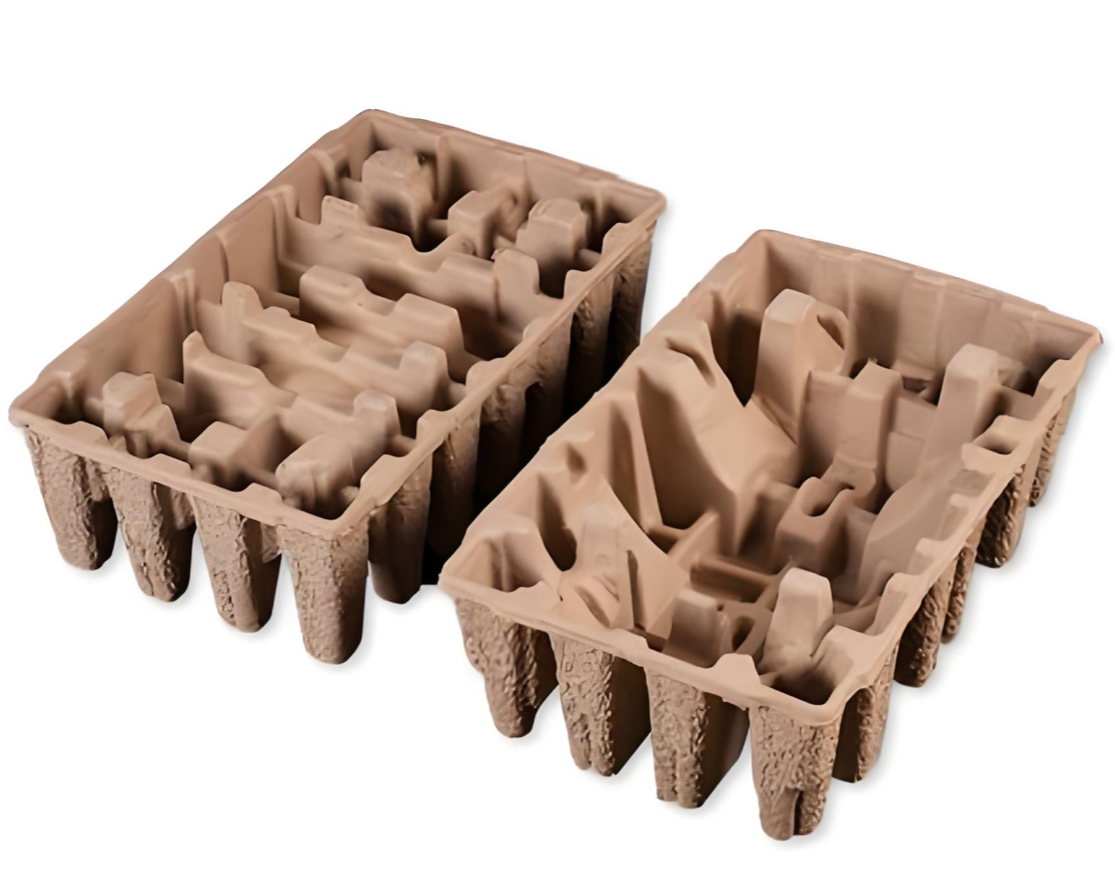
The science behind shockproof molded pulp packaging is a multidisciplinary endeavor that combines material science, structural engineering, and rigorous testing. By understanding the principles of material composition, structural design, and validation, manufacturers can create packaging solutions that offer unparalleled protection for fragile devices. This scientific approach not only ensures product safety but also contributes to sustainability by utilizing renewable and recyclable materials. As technology advances and the demand for eco-friendly packaging grows, the role of science in developing high-performance, sustainable packaging solutions will only become more critical.