












The Perfect Combination of Wet Pressing and Dry Pressing Processes
Wet Pressing: The Art of High-Precision Surface Finishing
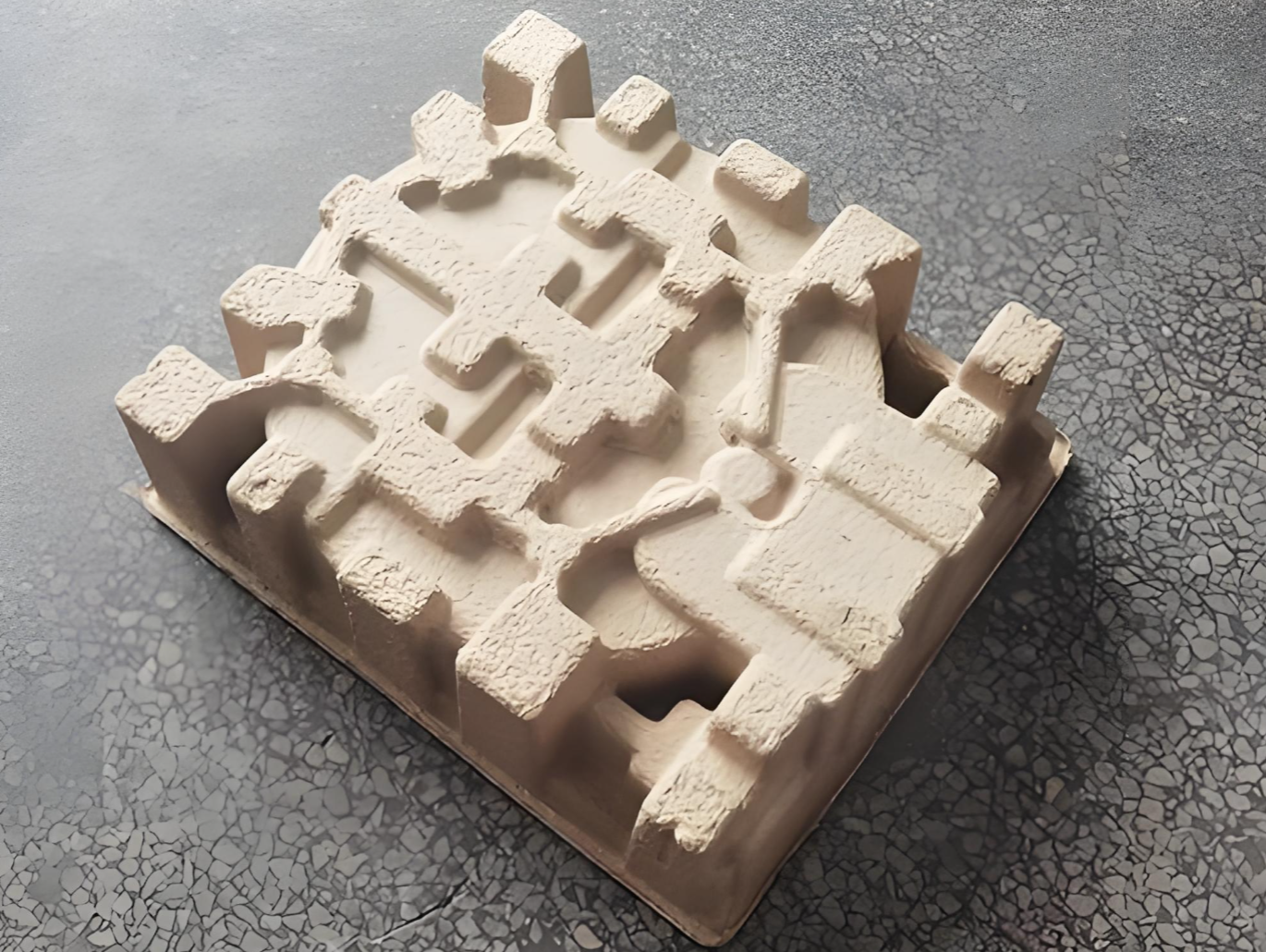
The Wet Pressing Process is a highly advanced technique that sets the benchmark for premium paper pulp molding. At its core, this method involves transferring the freshly formed wet pulp directly from the forming mold to a hot-pressing mold for immediate drying and shaping. This "in-mold drying" mechanism is the key to its superior quality. By applying heat and pressure while the fibers are still saturated, the process compacts the fiber structure, resulting in a product with an exceptionally smooth and glossy surface that rivals the texture of plastic. This high density and fine finish make wet-pressed products ideal for high-end consumer electronics (such as smartphone and laptop packaging), cosmetics, and premium food packaging where visual appeal and structural integrity are paramount. The process yields products that are not only aesthetically pleasing but also possess excellent structural strength and dimensional stability, ensuring that delicate items are cradled with precision and protection.
Dry Pressing: The Science of Efficient and Eco-Friendly Production
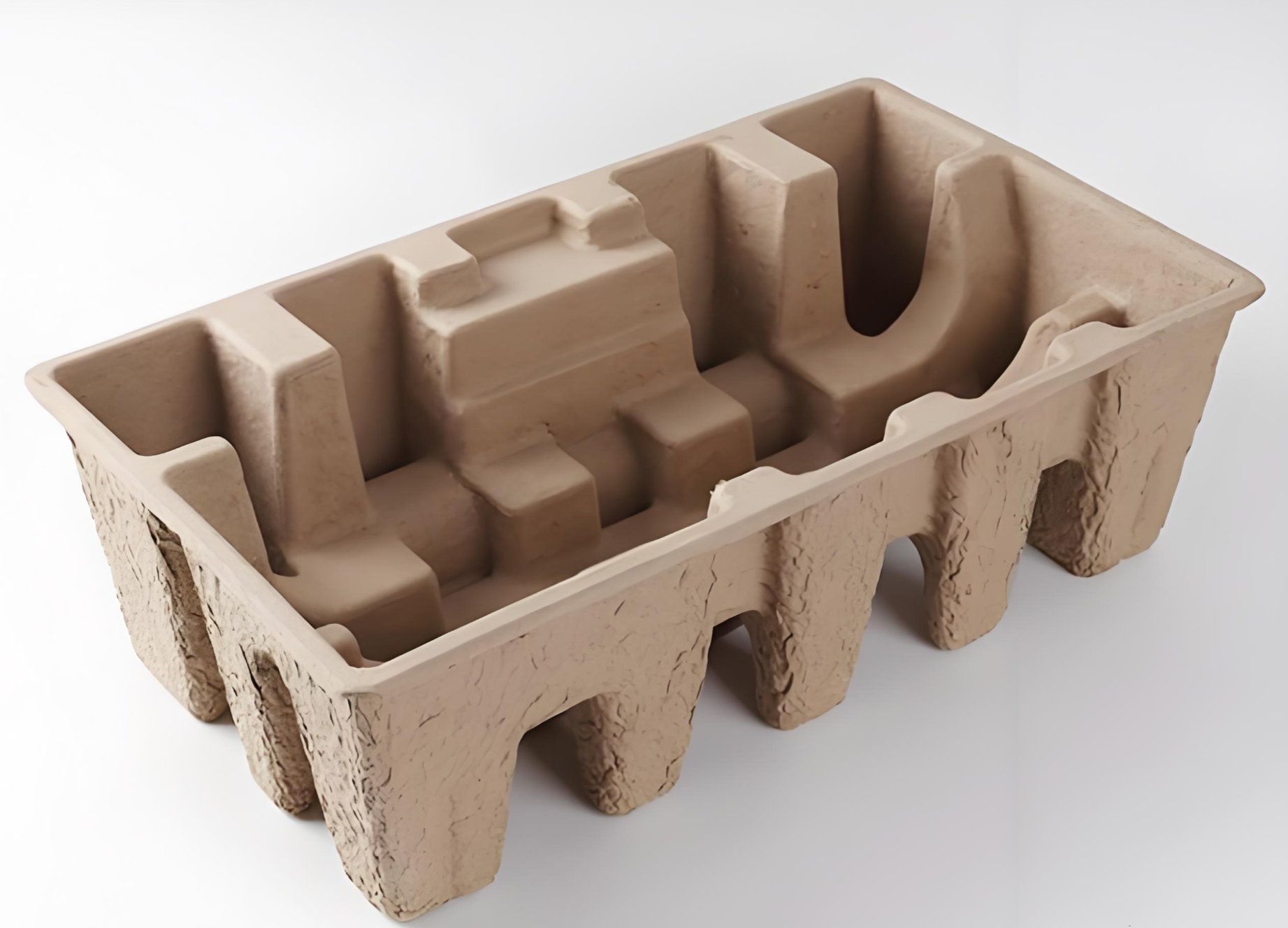
In contrast, the Dry Pressing Process is the workhorse of the paper pulp industry, celebrated for its efficiency and environmental friendliness. This process involves a distinct two-step approach: first, the wet pulp is formed and then dried in a separate stage (often in a drying tunnel or oven) to reduce its moisture content significantly. Only after this initial drying phase is the semi-dry product transferred to a hot-pressing mold for final shaping. This separation of drying and shaping allows for much faster production cycles and lower energy consumption compared to the energy-intensive wet pressing method. While the surface finish of dry-pressed products is typically more textured and natural (often with a visible fiber pattern), this process excels in producing cost-effective, highly absorbent, and excellent cushioning products. It is the preferred choice for industrial packaging, egg trays, fruit trays, and agricultural products where structural protection and biodegradability are more critical than a glossy appearance.
The Perfect Synergy: Tailoring Solutions for Every Need
The true strength of a modern paper pulp manufacturer like Hanyang Paper Plastic lies not in choosing one process over the other, but in mastering both. This dual-capability allows for the perfect synergy to meet diverse market demands. The company can leverage the Wet Pressing Process for high-margin, high-visibility products that require a premium look and feel, while simultaneously utilizing the Dry Pressing Process for high-volume, cost-sensitive applications. This strategic combination ensures that whether a client needs the smooth, protective shell for a luxury smartphone or the robust, shock-absorbent tray for industrial components, the appropriate technology is deployed. By offering both Wet Pressing (for high-end applications) and Dry Pressing (for standard/eco applications), manufacturers can provide a complete portfolio of sustainable packaging solutions that are both beautiful and functional, covering the entire spectrum from consumer goods to industrial machinery.
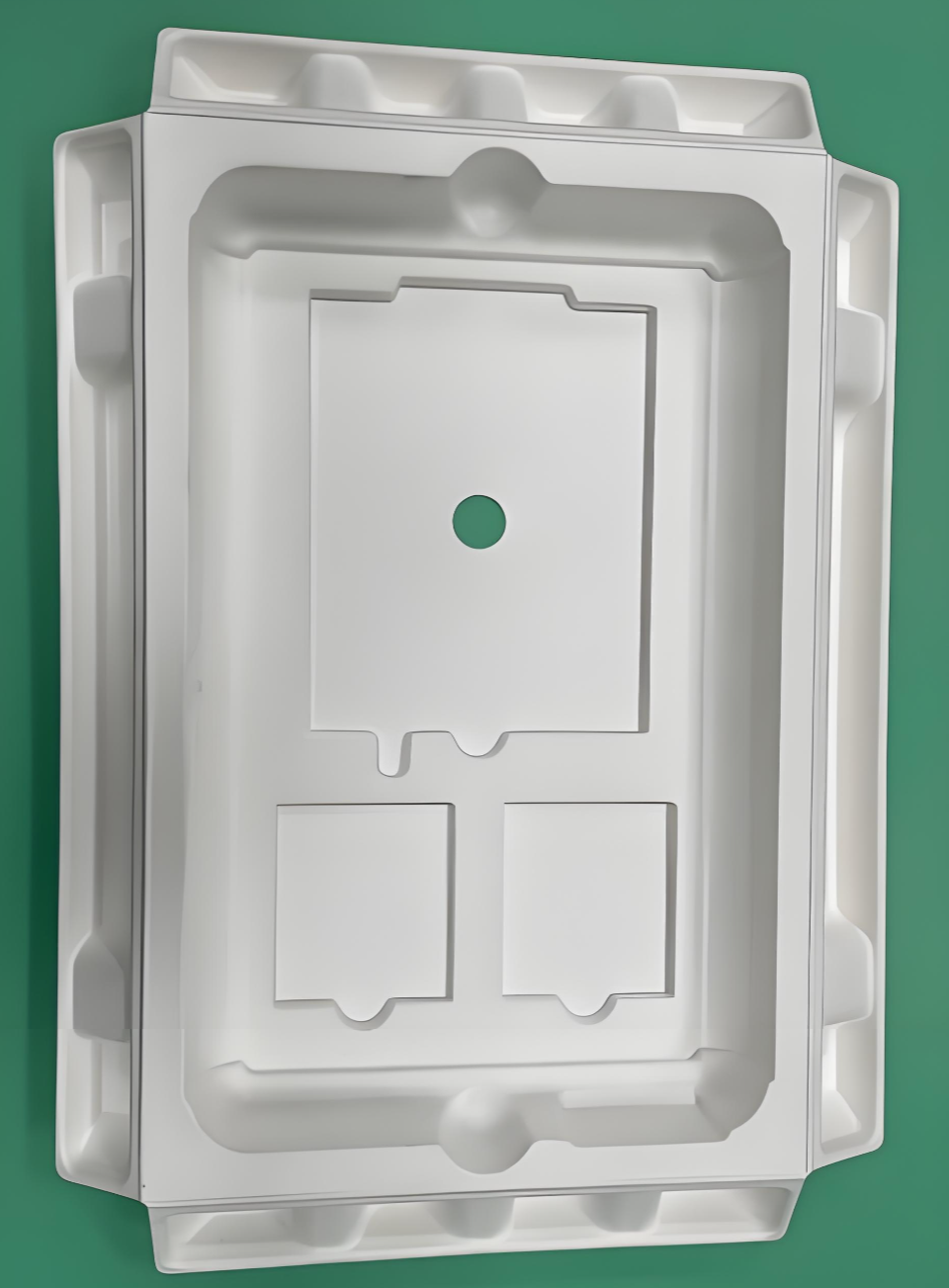
The coexistence of Wet Pressing and Dry Pressing is not a competition but a complementary relationship. Wet Pressing delivers the aesthetic excellence and structural density required for premium markets, while Dry Pressing offers the scalability and cost-efficiency for mass-market sustainability. Together, they form the backbone of a versatile and resilient paper pulp manufacturing strategy, enabling companies to navigate the complex landscape of modern packaging with agility and precision.