












The Future of Pulp Molded Packaging
Intelligent and Functionalized Material Breakthroughs
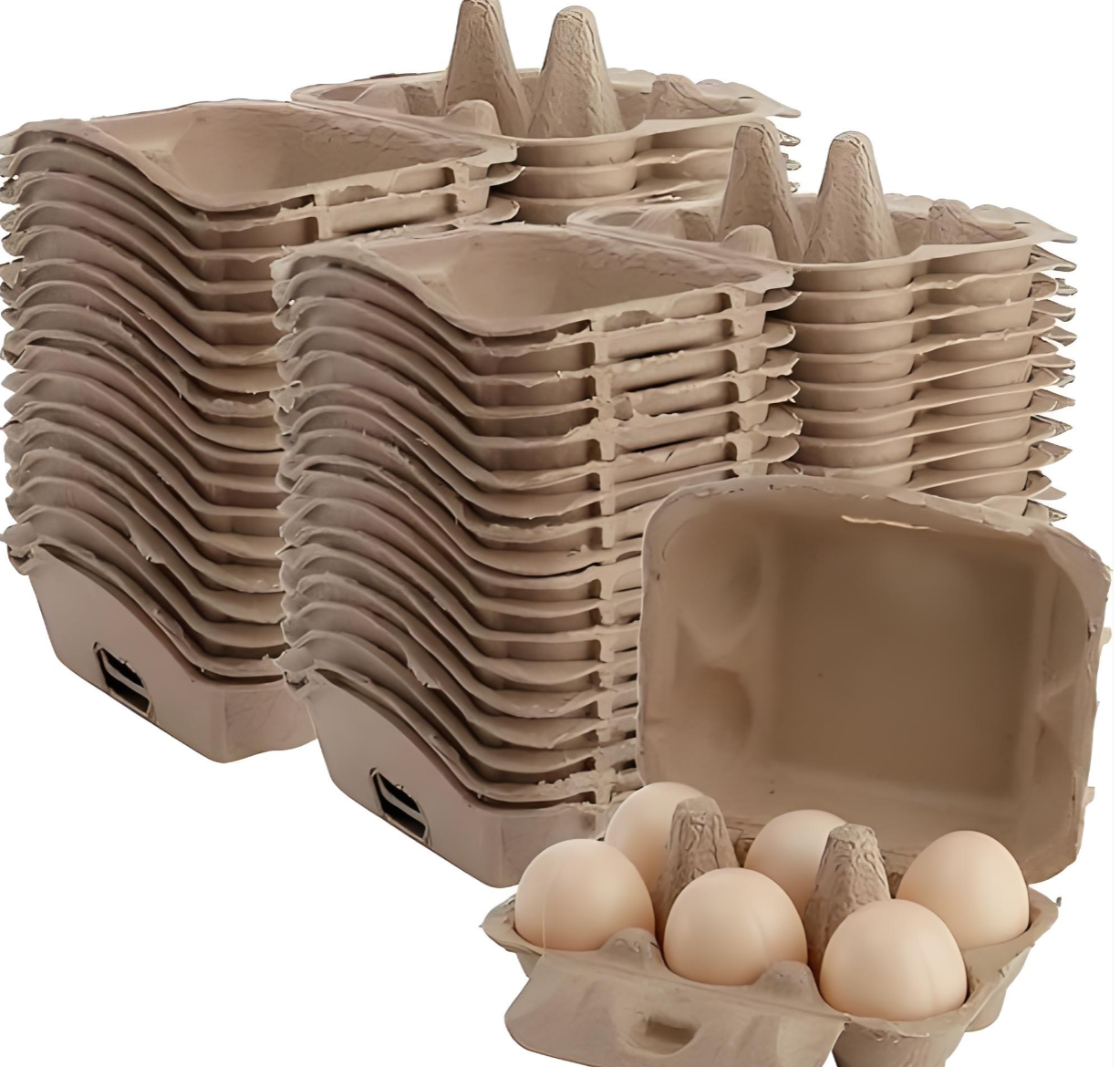
The future of pulp molded packaging lies in the development of intelligent, high-performance materials that transcend basic protection. Companies like Suzhou Hanyang Paper Plastic Products Co., Ltd. are pioneering next-generation pulp composites with enhanced properties—such as moisture resistance, temperature stability, and embedded anti-microbial agents—while maintaining full biodegradability. These advanced materials will enable pulp packaging to serve more demanding applications, including frozen food logistics, pharmaceutical packaging, and high-value electronics requiring stringent static control. Hanyang’s ongoing R&D in fiber blending (corrugated, wood, and recycled pulp) and process innovation (multi-layer molding) will allow trays to be tailored for specific industry needs without compromising eco-friendly credentials. Furthermore, the integration of smart labels or QR codes directly into pulp surfaces will facilitate supply chain transparency, allowing consumers to trace product origins and recycling information, thereby reinforcing the circular economy model.
Automation, Customization, and On-Demand Production Models
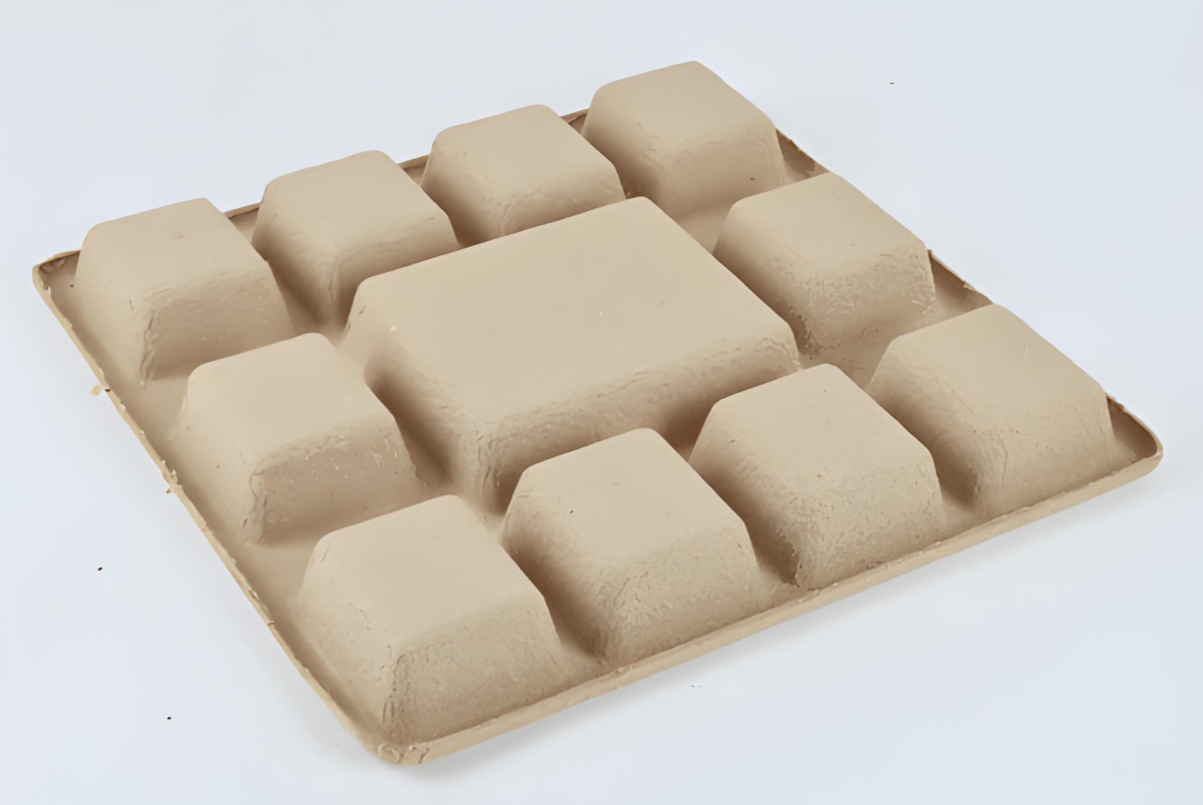
The shift toward Industry 4.0 will revolutionize pulp molding manufacturing, with automation and digitalization enabling unprecedented efficiency and customization. Hanyang’s investment in 99 automated production lines and rapid prototyping capabilities foreshadows a future where brands can order small batches of fully customized packaging with quick turnaround—ideal for seasonal products, limited editions, or regional campaigns. AI-driven design tools will allow clients to simulate tray performance and optimize material usage before production, reducing waste and cost. The expansion of Hanyang’s 500+ mold library will support hyper-customized solutions for niche markets, while dry-press and wet-press technologies will be refined to achieve finer surface finishes suitable for high-resolution branding. This agile, on-demand production model will democratize sustainable packaging, making it accessible to startups and SMEs alongside global corporations.
Regulatory Evolution and Global Sustainability Integration
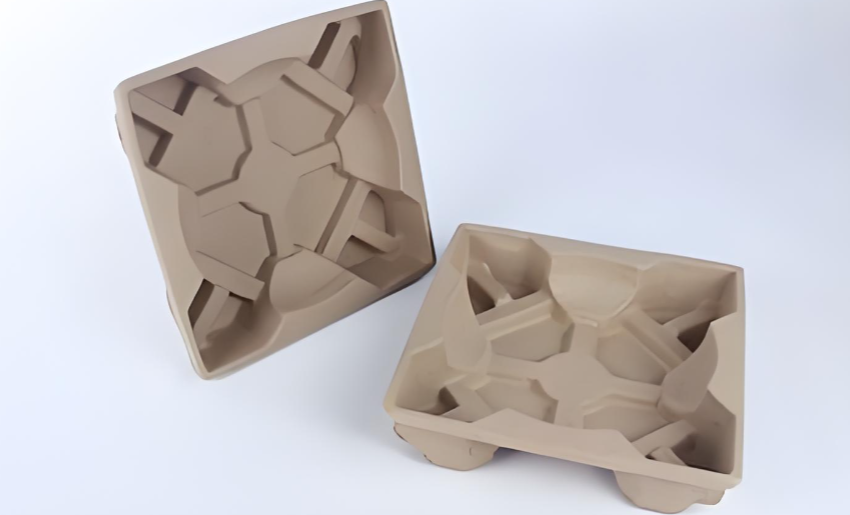
As global regulations increasingly phase out single-use plastics and mandate circular packaging, pulp molding will become the default choice for responsible brands. Hanyang’s compliance with ROHS, SVHC, and halogen-free standards positions it at the forefront of this regulatory wave. Future policies—such as extended producer responsibility (EPR) and carbon taxation—will further incentivize adoption of biodegradable, low-carbon footprint packaging like molded pulp. Brands will leverage pulp packaging not only for compliance but also as a core element of their ESG reporting, appealing to investors and consumers who prioritize sustainability. Hanyang’s role will expand from manufacturer to sustainability partner, helping clients achieve carbon neutrality goals through lightweight designs, local material sourcing, and closed-loop recycling programs. The convergence of regulation, consumer awareness, and corporate responsibility will cement pulp molding’s status as the packaging material of the 21st century.
The future of pulp molded packaging is bright, characterized by smarter materials, agile production, and deep integration into global sustainability frameworks. As a leader with 25 years of experience, Suzhou Hanyang is poised to drive this transformation—turning pulp from an alternative material into the mainstream choice for a circular, waste-free economy.