












The Fundamental Shift in Packaging Lifecycle
For decades, the dominant model of packaging has been linear: take, make, and dispose. Materials like plastic and foam are extracted from finite resources, shaped into packaging with a short useful life, and then discarded into landfills where they persist for centuries, polluting the environment. Pulp molding, as practiced by innovators like Suzhou Hanyang Paper Plastic Products Co., Ltd., is fundamentally redefining sustainable packaging by creating a circular lifecycle. The process begins with renewable resources such as virgin pulp from sustainably managed forests, or even better, waste paper pulp that gives a new life to post-consumer paper. This immediately reduces reliance on fossil fuels and diverts waste from landfills. After its use, the packaging doesn't become a permanent pollutant. Instead, it is designed to re-enter the system—either by biodegrading safely and enriching the soil or by being collected for recycling into new paper products. This "cradle-to-cradle" approach stands in stark contrast to the "cradle-to-grave" model of traditional plastics, offering a truly closed-loop system that mimics nature's own cycles.
Engineering Sustainability into Every Step
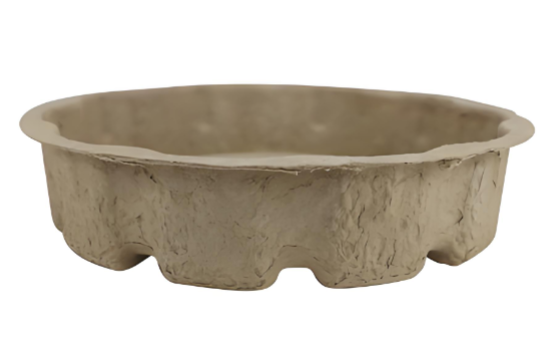
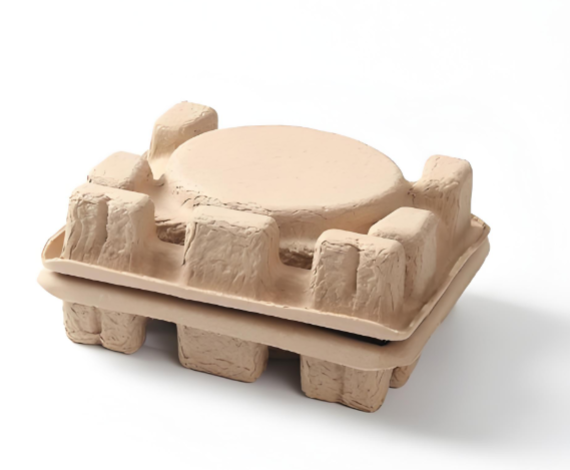
The sustainability of pulp molding extends far beyond its renewable raw materials; it is engineered into the very fabric of the manufacturing process itself. Companies like Hanyang achieve this through efficiency and innovation at every stage. The production process is inherently less energy-intensive compared to the creation of plastics from petroleum. Furthermore, the water used in the pulping process can be treated and recycled within the plant, minimizing waste. The pulp molding technique allows for the creation of strong, protective packaging using minimal material, as the custom-shaped design provides optimal cushioning and shock absorption precisely where it is needed. This "lightweighting" reduces material consumption and transportation energy. The functional versatility also contributes to sustainability. A single, well-designed pulp tray can replace complex multi-material packaging (e.g., a plastic shell with foam inserts), simplifying recycling for the end-user. Moreover, the ability to produce samples in just three days and the existence of over 500 molds significantly reduce the time and resource waste associated with prototyping and tooling, making sustainable packaging more accessible and less resource-intensive to develop.
How Sustainable Packaging Creates Broader Value
Adopting pulp molding packaging creates a powerful ripple effect that generates value for businesses, consumers, and the planet simultaneously. For brands, using certified compostable and recyclable packaging is no longer just an ethical choice; it is a strategic business decision. It enhances brand image, resonates with the growing demographic of environmentally conscious consumers, and can be a key differentiator in competitive markets. This aligns with global regulatory trends that are increasingly restricting single-use plastics. For consumers, it offers a guilt-free unboxing experience. They receive their products in packaging that they can easily dispose of responsibly, either in the recycling bin or the compost heap, fostering a sense of participation in environmental stewardship. On a larger scale, the widespread adoption of pulp packaging from responsible manufacturers helps reduce the volume of plastic waste choking our oceans and landscapes, contributing to a healthier ecosystem. By choosing this path, companies are not just buying a container; they are investing in a positive brand legacy and actively participating in the global movement towards a circular economy.
Pulp molding is not merely an alternative packaging option; it is a transformative force redefining the very principles of sustainable packaging. By championing a circular lifecycle, engineering efficiency and minimal waste into its production, and creating positive ripple effects across the supply chain, it proves that true sustainability is achievable without sacrificing performance or economic viability. Suzhou Hanyang stands as a testament to this progress, demonstrating that the future of packaging is not just green in color, but green by design—intelligent, responsible, and regenerative from start to finish.