












In the global shift towards sustainable packaging, businesses are actively seeking alternatives to traditional plastic foams. Expanded Polyethylene (EPE) foam, commonly known as pearl cotton, has long been valued for its cushioning properties. However, its environmental drawbacks are significant. Paper pulp molding, offered by specialists like Suzhou Hanyang Paper Plastic Products Co., Ltd., presents a superior, eco-friendly solution. Pulp trays are not merely a substitute; they represent a fundamental upgrade, offering a compelling environmental edge by being biodegradable, recyclable, and derived from renewable resources. This article explores the key advantages of pulp trays over EPE foam, demonstrating why making the switch is a strategic move for future-proof businesses.
Biodegradability vs. Persistent Waste
The most critical distinction lies in the end-of-life scenario. EPE foam is a petroleum-based plastic that can persist in the environment for centuries, contributing to long-term pollution and microplastic contamination. In contrast, paper pulp trays are made from natural and recycled fibers, such as virgin pulp, corrugated paper, and recycled pulp. These materials are fully biodegradable and compostable, breaking down naturally into organic matter without leaving harmful residues. For companies with sustainability goals, this means pulp packaging can be composted industrially or at home, or recycled with other paper products, creating a circular loop. EPE foam, however, often ends up in landfills or incinerators, releasing toxins. By choosing Hanyang's pulp trays, businesses directly reduce their environmental footprint and align with circular economy principles.
Matching Protection with Sustainability
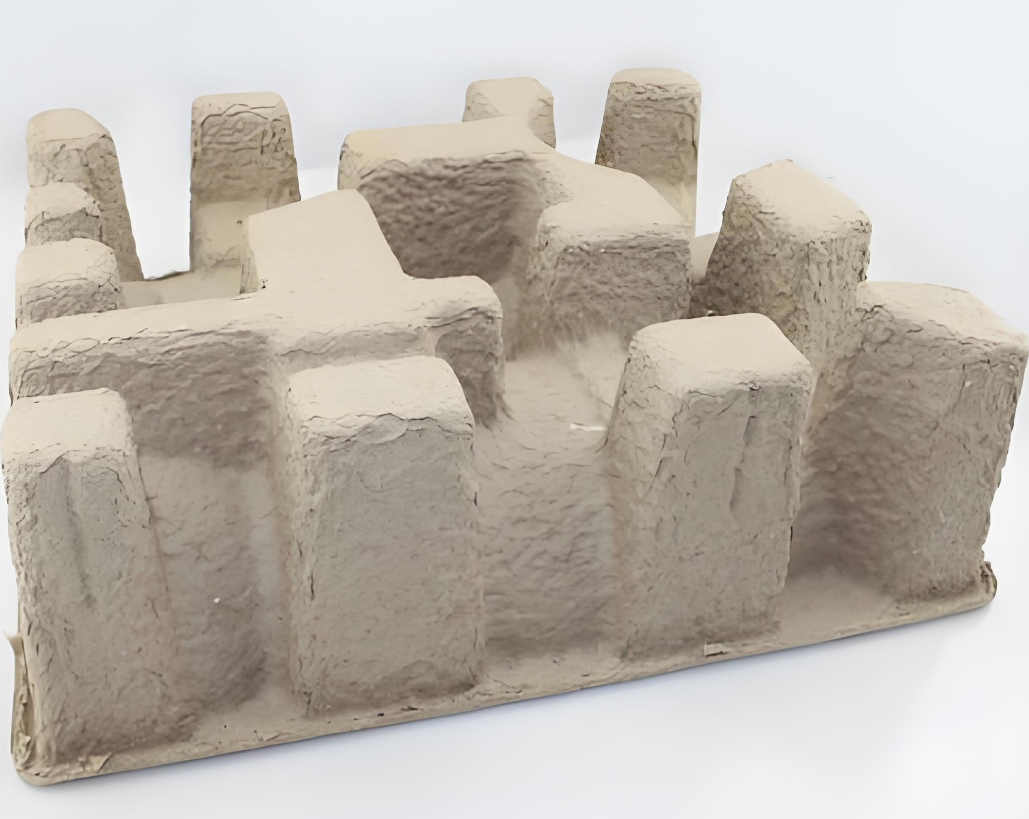
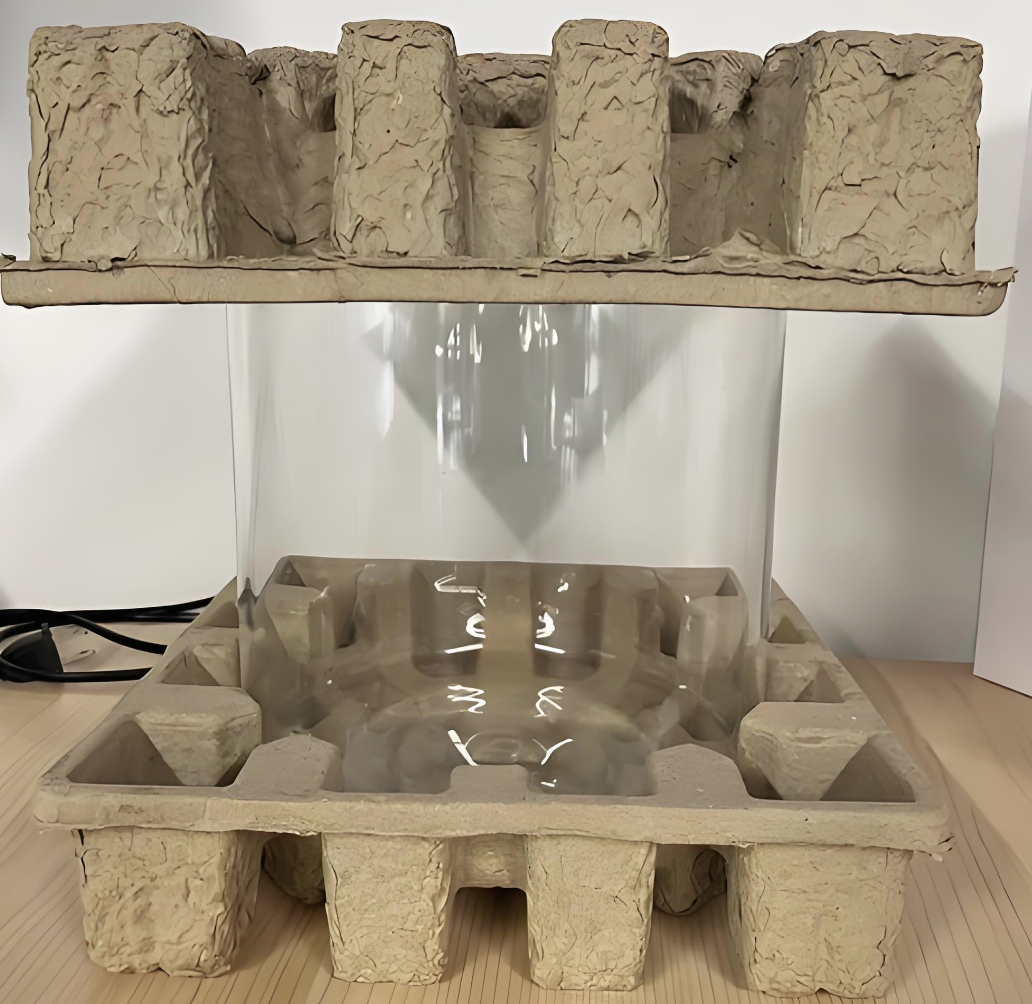
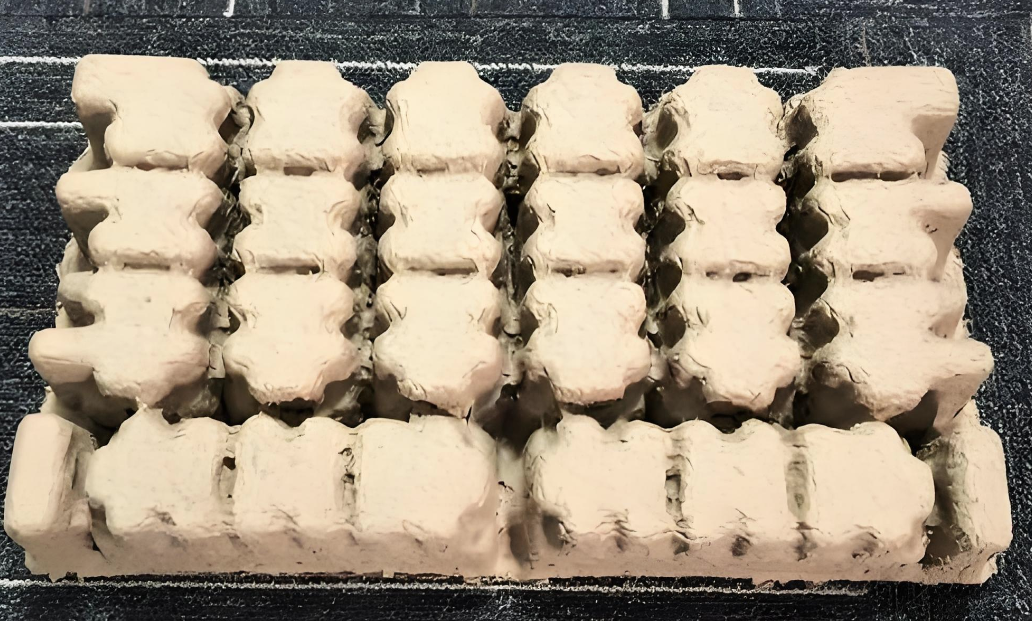
A common misconception is that eco-friendly packaging compromises on protection. Hanyang's pulp trays are engineered to dispel this myth. Through advanced wet press and dry press processes, they create trays with excellent shock absorption, impact resistance, and anti-static properties. The molded fiber structure effectively cushions products, making it ideal for protecting fragile items in industries like electronics, home appliances, and automotive parts. Furthermore, pulp trays can be custom-designed to snugly fit specific products, providing superior stability compared to loose-fill EPE foam. They also offer better breathability, which is crucial for packaging fresh produce like eggs and fruits. This proves that businesses do not have to choose between product safety and planetary health; with Hanyang's expertise, they can achieve both without compromise.
Market Appeal and Regulatory Compliance
Beyond functional performance, pulp trays offer significant marketability advantages. The natural, sustainable aesthetic of paper pulp resonates strongly with environmentally conscious consumers, enhancing brand image. Moreover, as global regulations against single-use plastics tighten, EPE foam faces increasing scrutiny and potential bans. Hanyang's pulp trays are inherently compliant with such regulations. They are certified to meet international standards like ROHS, SVHC, and Halogen-free, ensuring they are safe and environmentally sound throughout their lifecycle. By proactively adopting pulp packaging, companies future-proof their operations against regulatory changes and position themselves as responsible leaders in their industry. This strategic shift not only mitigates risk but also unlocks new market opportunities by appealing to the growing demand for genuine sustainability.
The Clear Choice for a Sustainable Future
The comparison is clear: paper pulp trays from Suzhou Hanyang offer a functionally equivalent, environmentally superior, and commercially smarter alternative to EPE foam. The transition from a linear "take-make-dispose" model with EPE to a circular one with pulp is no longer just an ecological imperative but a strategic business decision. With 25 years of experience and a comprehensive range of materials and processes, Hanyang is the ideal partner to guide businesses through this essential switch, ensuring that their packaging reflects a commitment to a healthier planet.